On Friday we were privileged to visit two different Polish cities, and marvel at just how different to one another they were.
In the first city that we went to, Jews had been found at every level of pre-war society. Their freedom of religion had been guaranteed them for centuries by the first charter of tolerance granted to Jews anywhere on the continent. When the Germans arrived, an enormous number of civilians (a number impossible to estimate) risked their lives and lost them to save their Jewish friends, colleagues and acquaintances from deportation. Astonishingly, many risked and lost their lives to save Jews that they did not even know.
In the other city that we went to, hatred of Jews was a cultural tradition that ran deep and fierce. In this second city, antisemitism had once existed at every level of society, and violence – while regrettable – was unexceptional. When the Germans came, the speed with which people turned against their former friends, colleagues and acquaintances was marked with sorrow and with terror by their increasingly isolated victims. Despite the terrible suffering of the Polish people during World War II, many Poles in this second city collaborated eagerly in the murder and the robbing of Jews.
The mind boggles that two such cities can even exist so close to one another. Indeed, if there is anything that they possess in common, it can only be the fact that they both share the name of Warsaw, and that they exist today only in the differing memories of their respective inhabitants.
Our first guide today resided in the city of heroes. She told us of Irena Sendler and of Jan Karski, and lamented the fact that the terrible suffering of the Polish people had caused them (at times) to behave less than favourably with those Jews whom they pitied. And she was not wrong: Irena Sendler and Jan Karski truly were heroes, as were an inestimable number of other Poles, some of whom she mentioned.
Yes, we murmured, but what about the Polish collaborators? There were many such people. One recent estimate puts the number of Jews to have been murdered by their fellow Poles at a staggering 200,000. Antisemitism was a tradition in this country, and was found at every level of Polish society. Let us not forget the limitations on Jews in university admission, the forced segregation of students in schools, and the Madagascar Plan for Jewish resettlement: a plan that we associate with the Nazis, but which was first formulated by the Polish pre-war government.
Is there a middle ground? A way of speaking of endemic and genocidal hatred without forgetting the heartbreaking and breathtaking compassion? A way of paying tribute to the beautiful people who sought to save the lives of Jews without glossing over the wicked and the cruel and the deplorably ill-informed? There is, it seems, but it would not be until the afternoon’s excursion to Polin Museum that we would encounter it.
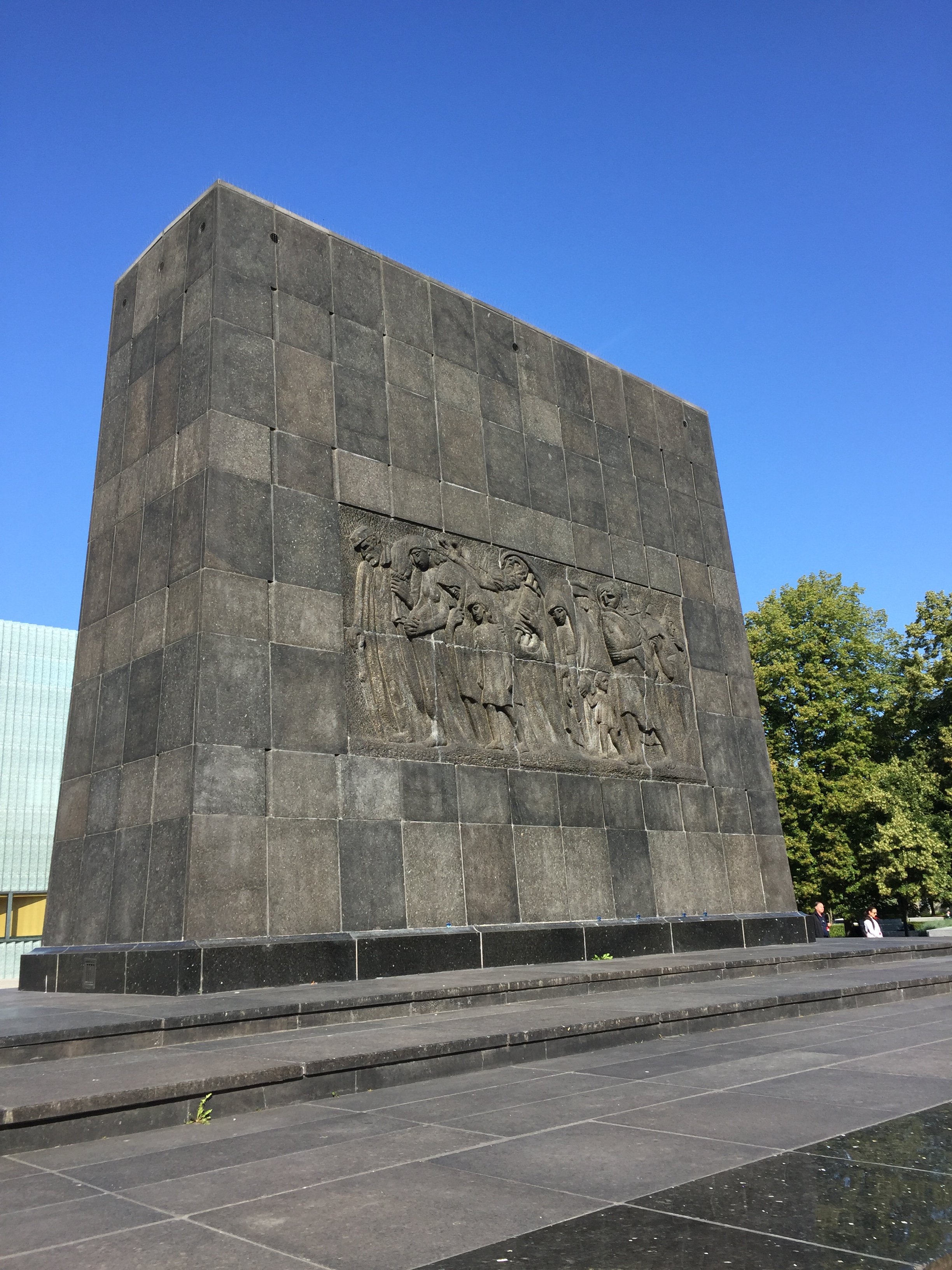
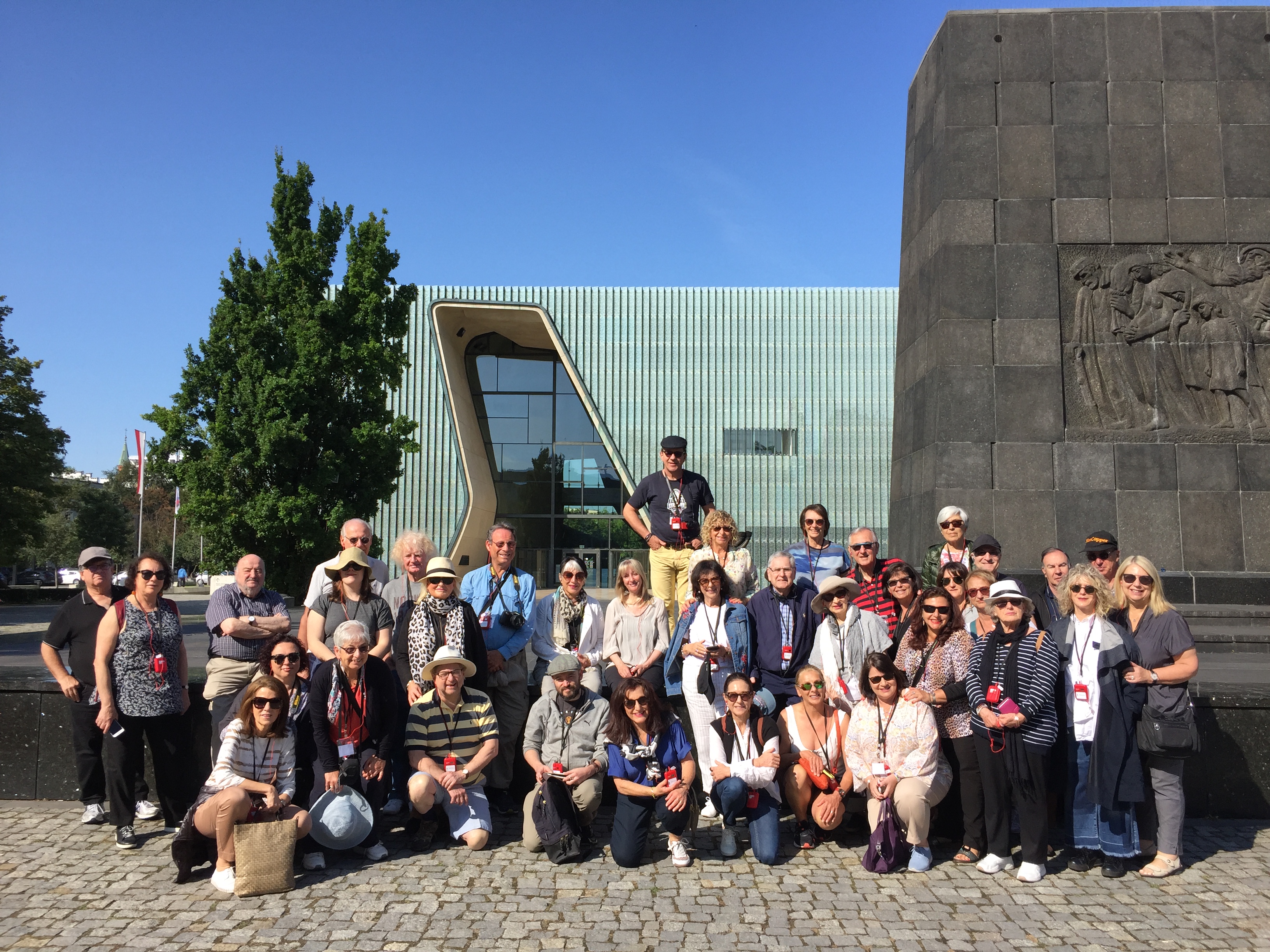
In the meantime, we started the morning’s tour of this dual city with a trip to the Monument to the Ghetto Heroes, in what used to be known as Warsaw’s Nothern District. This was a commercial area with a high concentration of Yiddish-speaking, working-class Jews. The specific part of the district to which we were going was the site of the initial clash with German forces on April 19, 1943.
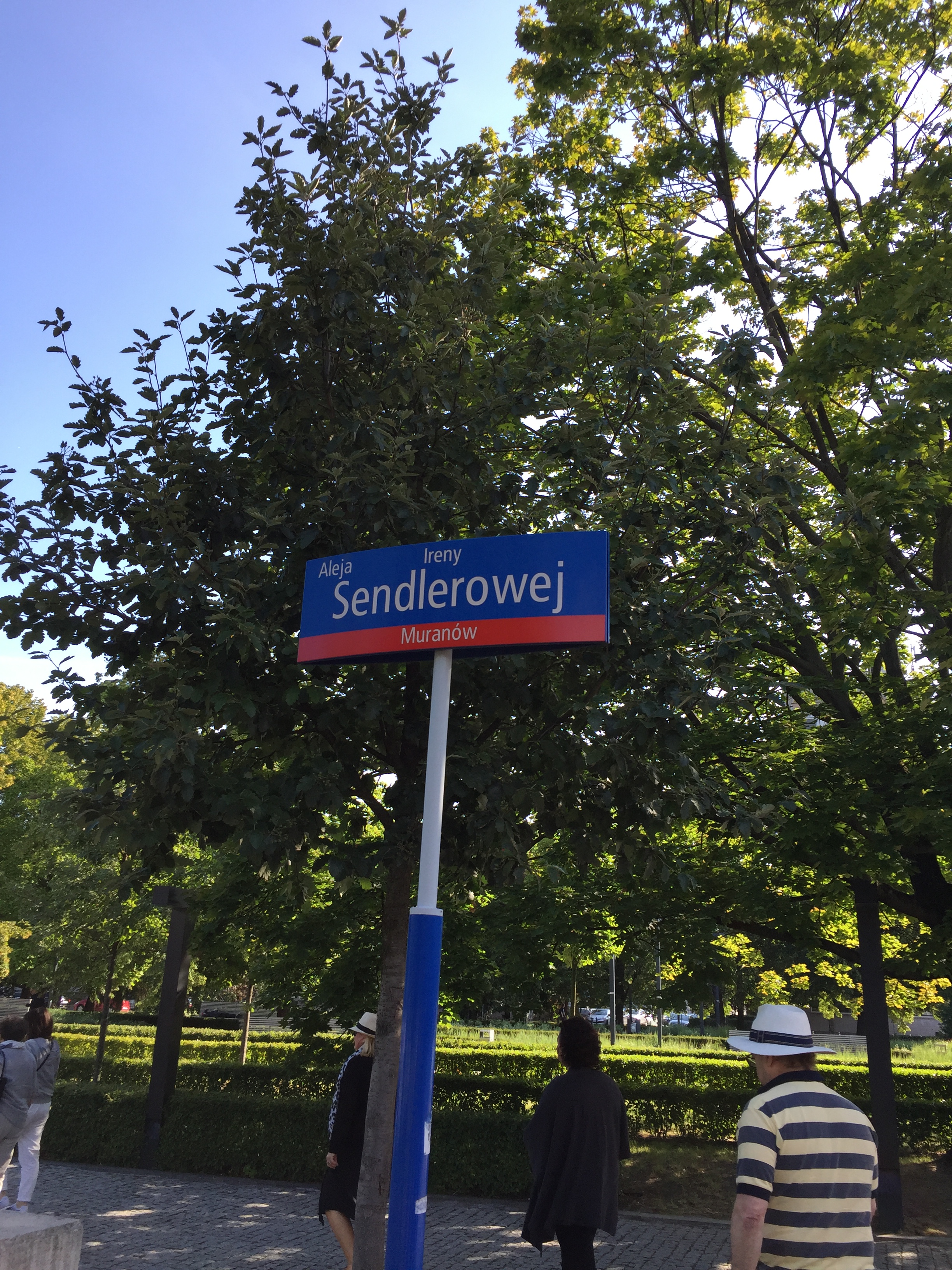
Photograph: Simon Holloway
The monument, which was designed by Nathan Rappaport, is constructed of black volcanic stone, originally ordered from Sweden by Albert Speer for the purpose of statues celebrating German victory. On the western side, the monument depicts the steely faces of heroic men and women, straining forth from the stone to wage war against their oppressors, homemade incendiary devices in their strong hands. On the eastern side, however, it shows a silent procession of elderly and infant Jews, some with sifrei torah, German helmets in the background. To where are those Jews going? To some kind of promised land? Or to the umschlagplatz?
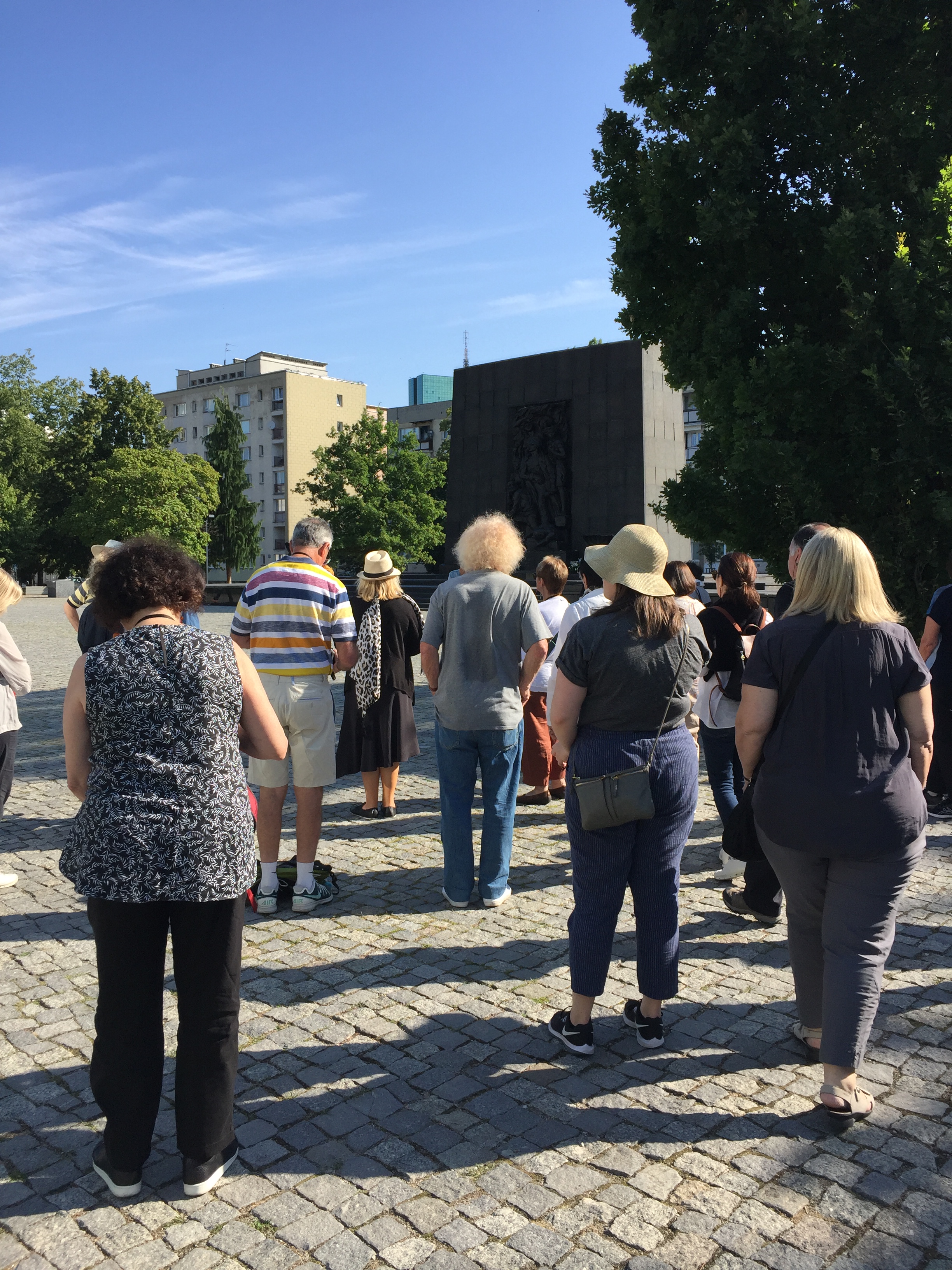
Photographer: Simon Holloway
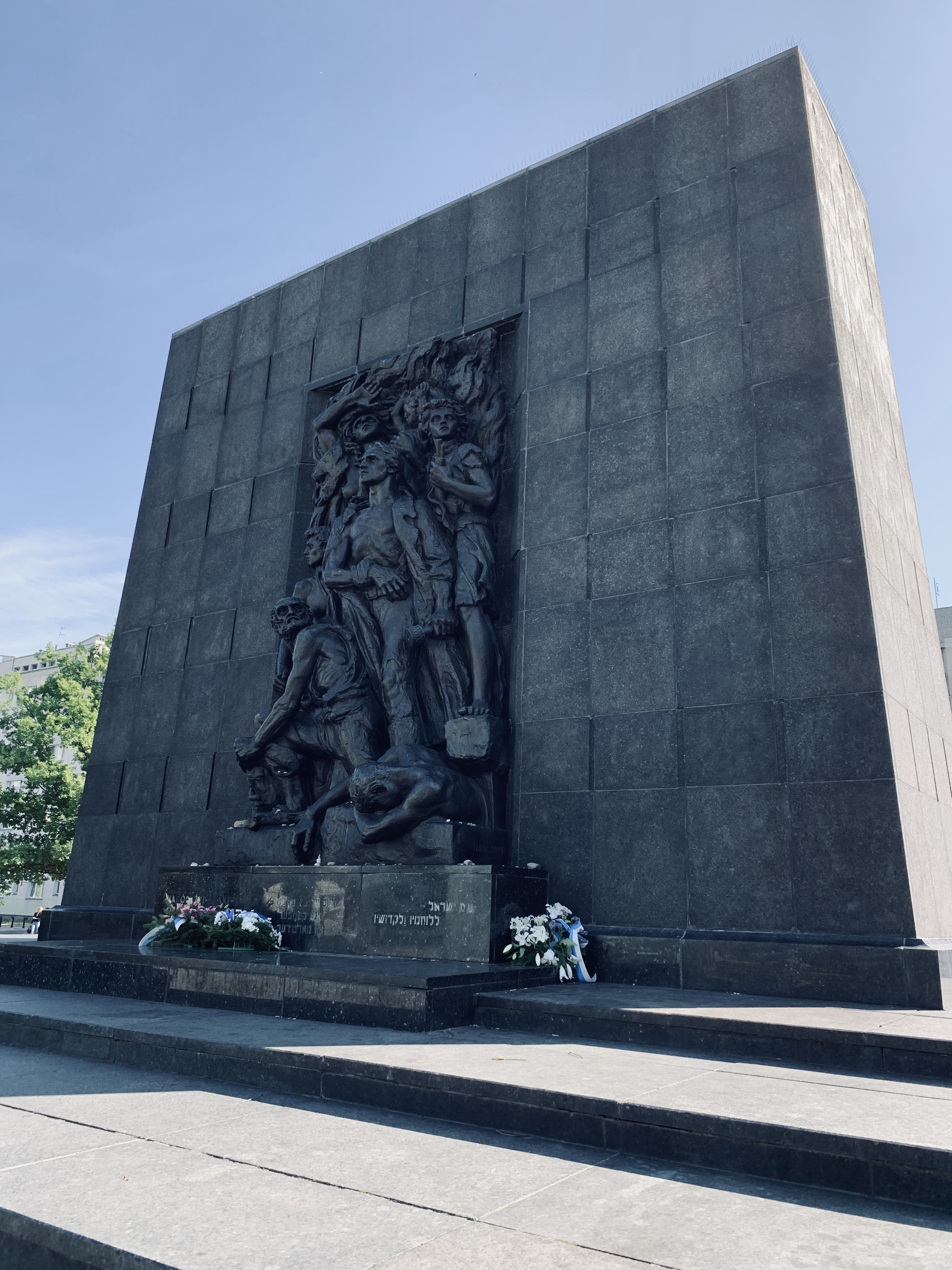
Photograph: Howard Wolfers
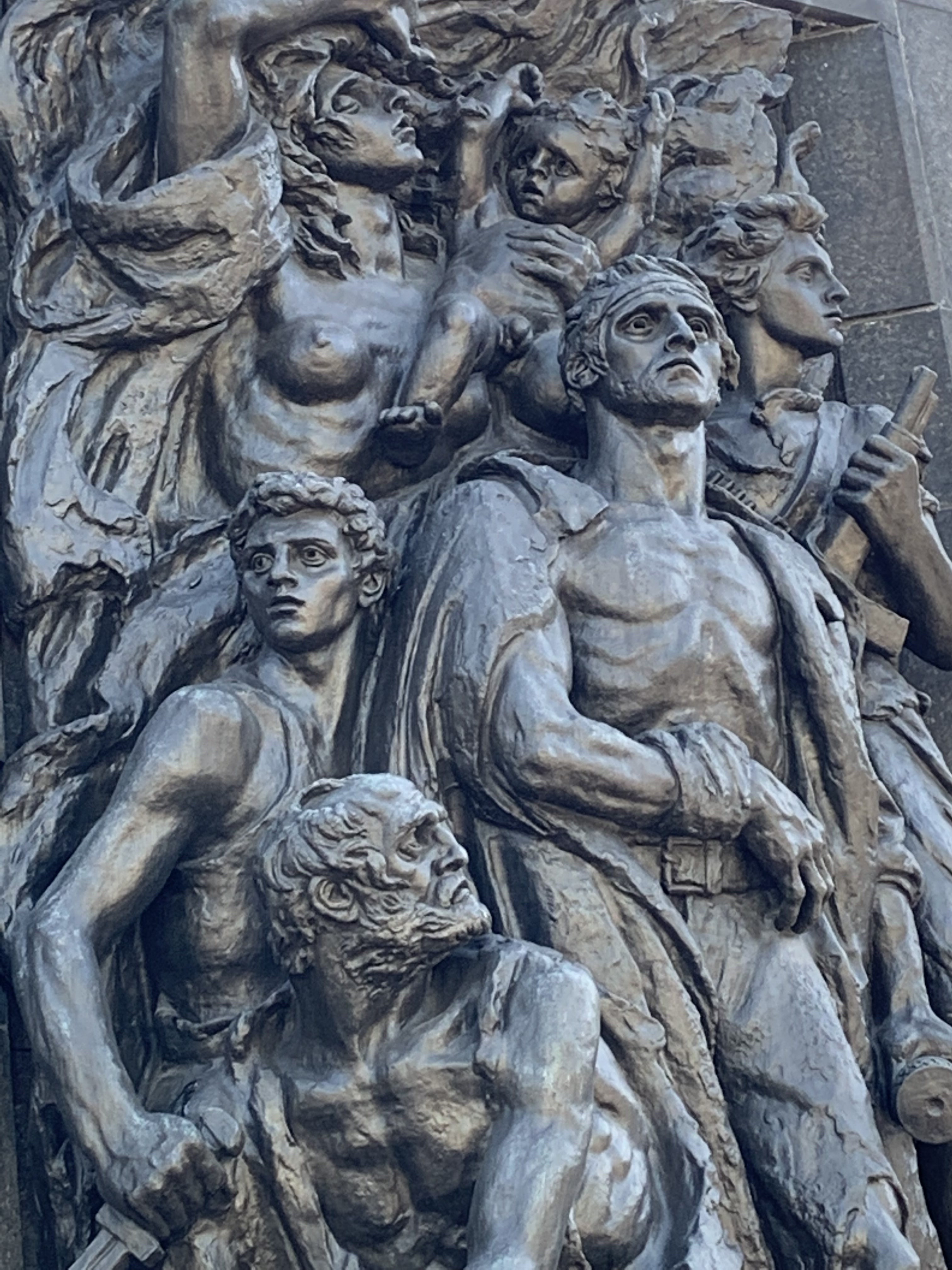
Photograph: Howard Wolfers
Photograph: Simon Holloway
Photograph taken by our guide, Yolande
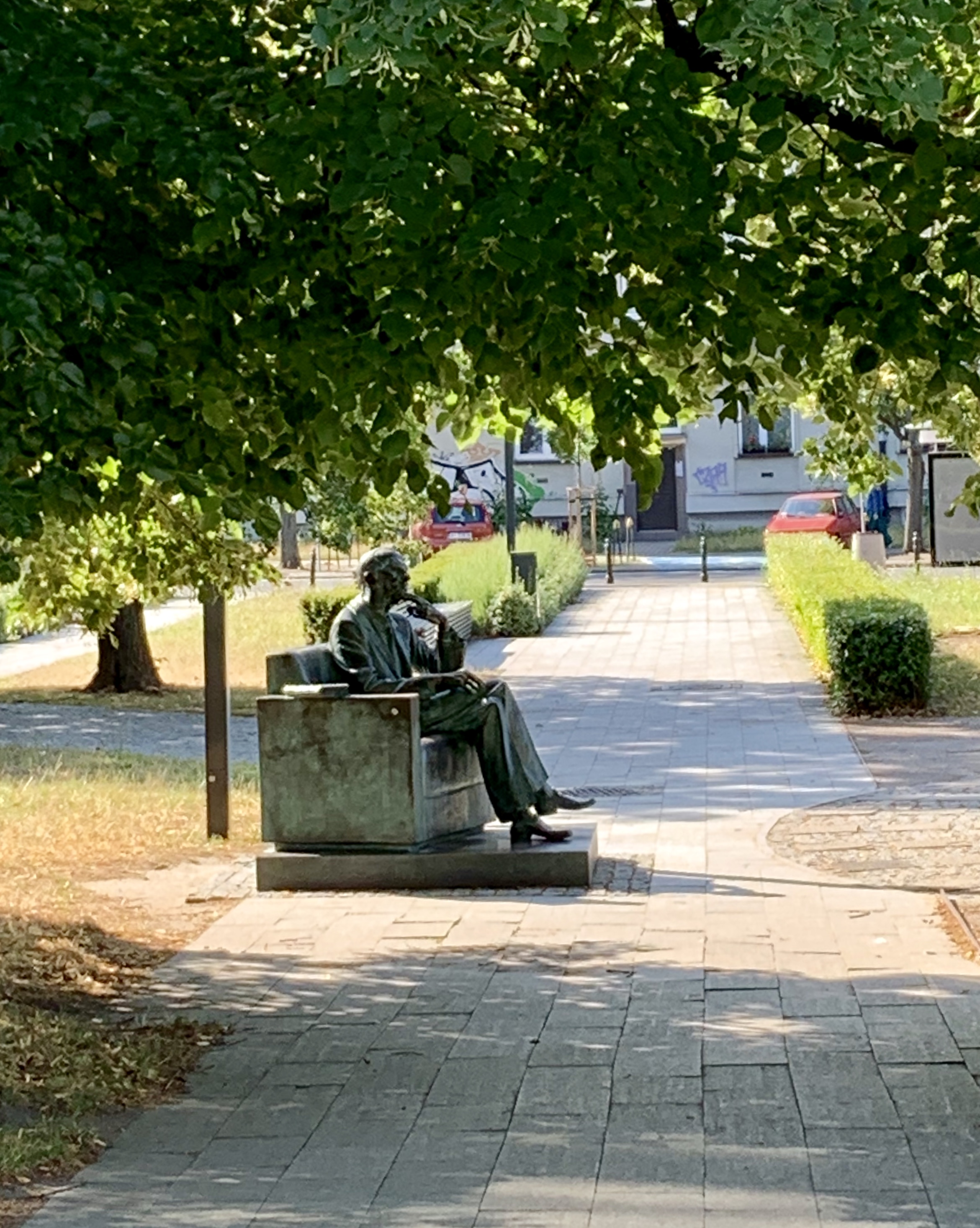
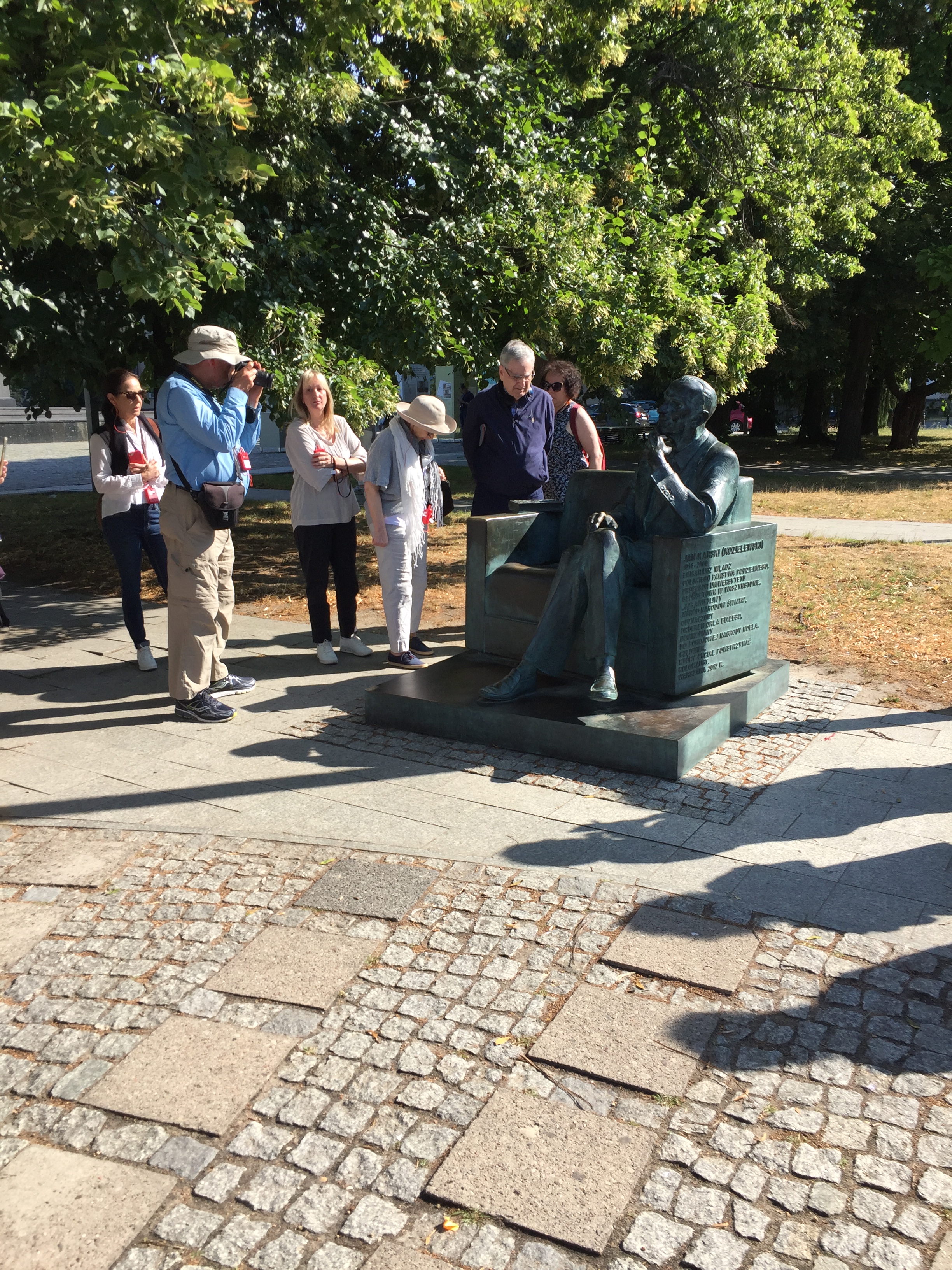
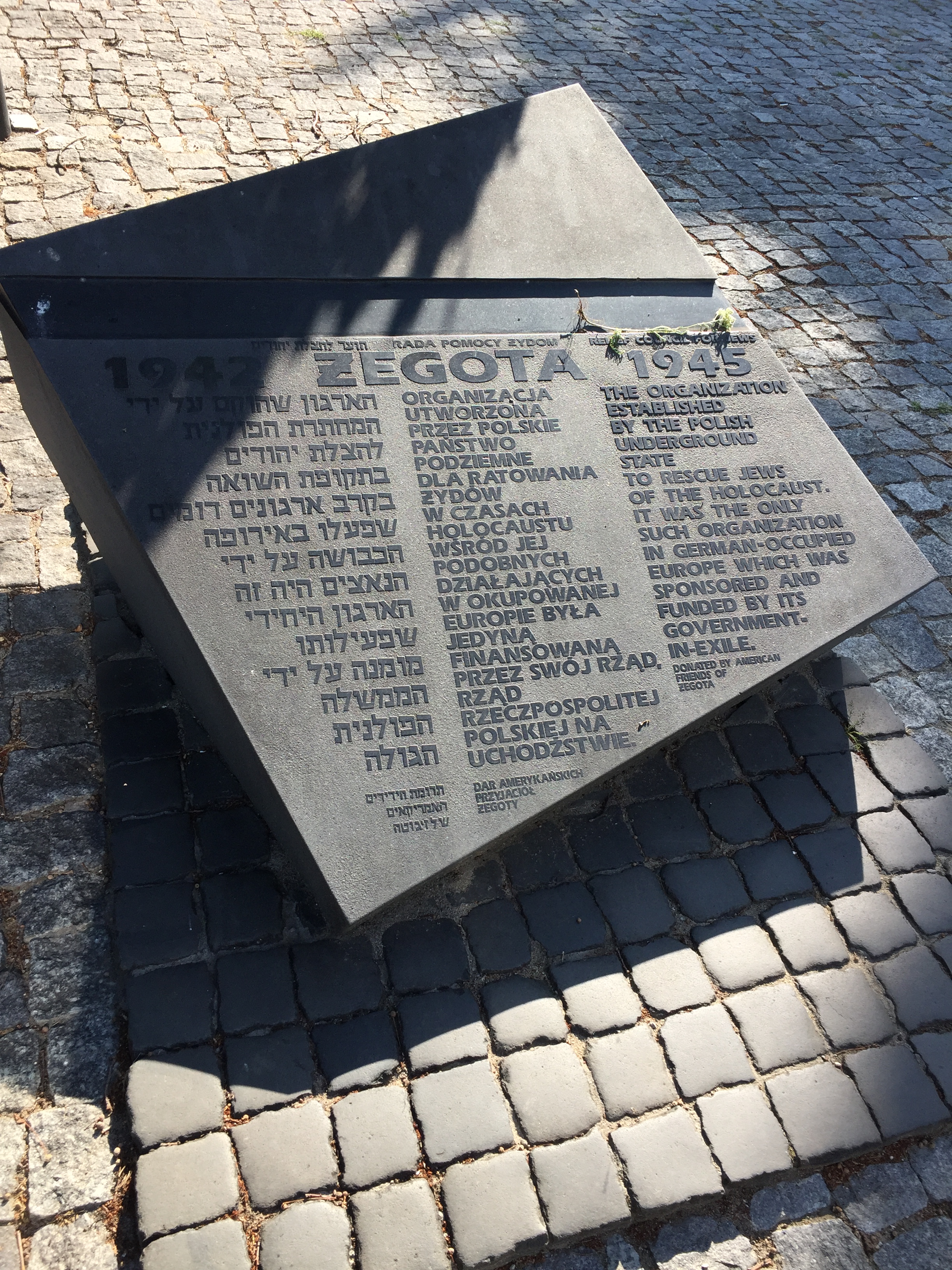
On our way back to the bus, we stopped to admire two more monuments: one a tribute to Karski, who reported to the Polish government in exile on the genocide of Poland’s Jews, and the other a monument to Jewish resistance designed by Rappaport’s supervisor, Leon Suzin. Suzin’s monument confused us as regards its imagery: a palm leaf, which appeared to grow from a scroll on which the Hebrew letter beys/beit was written. The Torah begins with this letter and it was with this letter, says the Zohar, that the world was created.
Photograph: Howard Wolfers
Photograph: Simon Holloway
Photograph: Simon Holloway
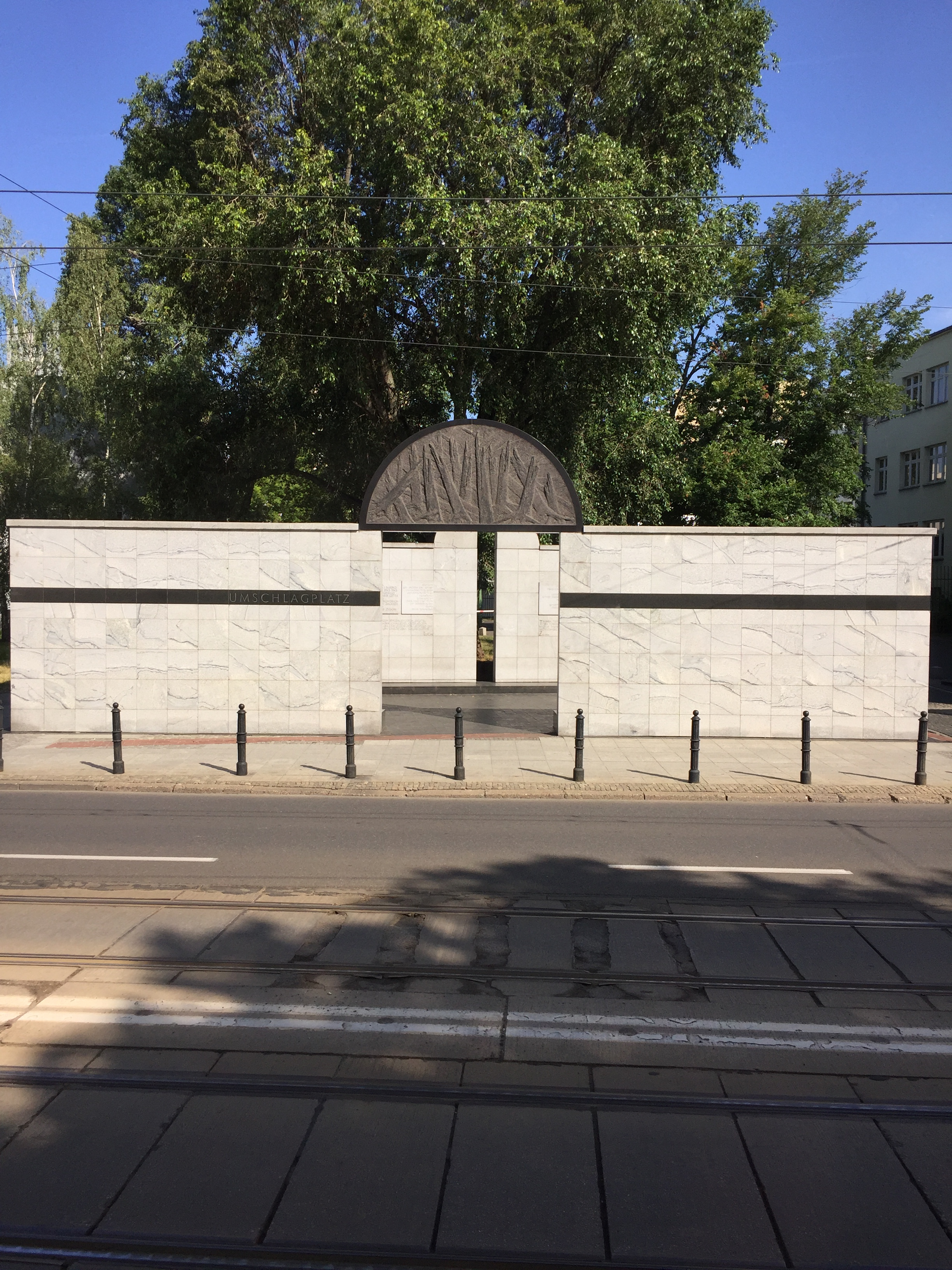
We board the bus and, after a very short drive, pause briefly outside a small memorial to the umschlagplatz. It was from here that approximately 300,000 Jews were shipped to Treblinka between the end of July, 1942, and the end of September that same year. After the Great Deportation (as it was known), the ghetto was left with only about 35,000 official residents, not including those in hiding.
Photograph: Simon Holloway
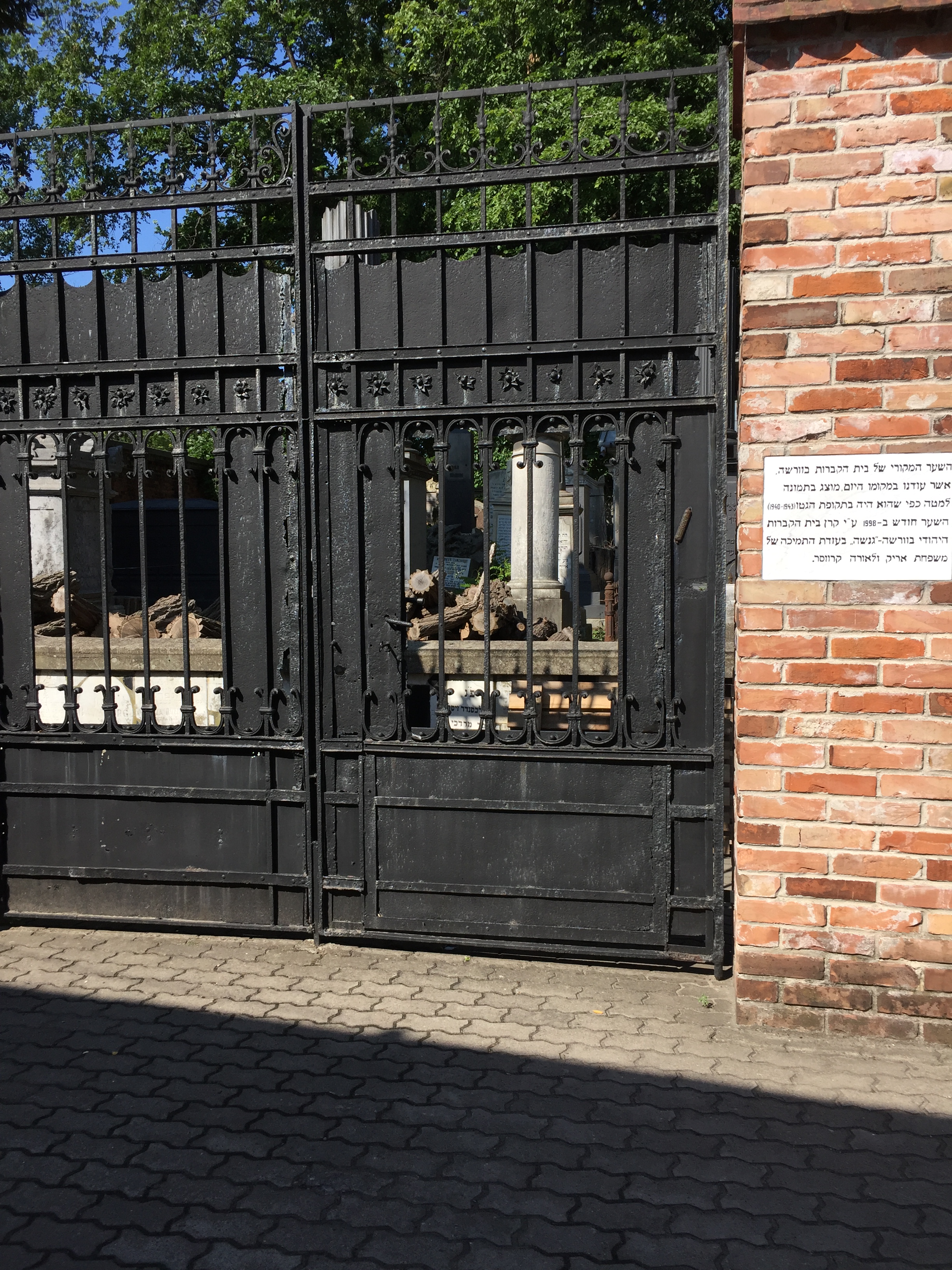
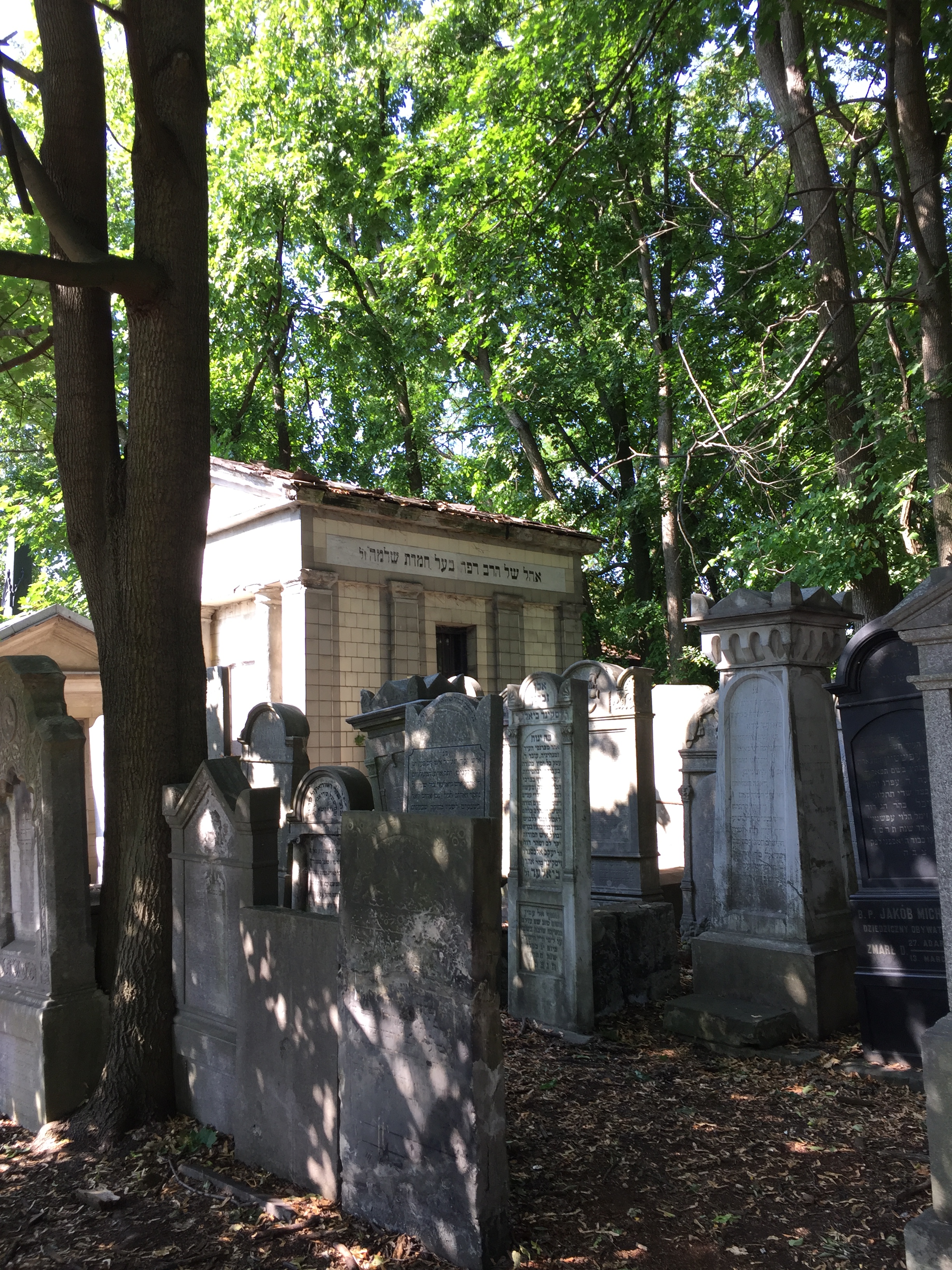
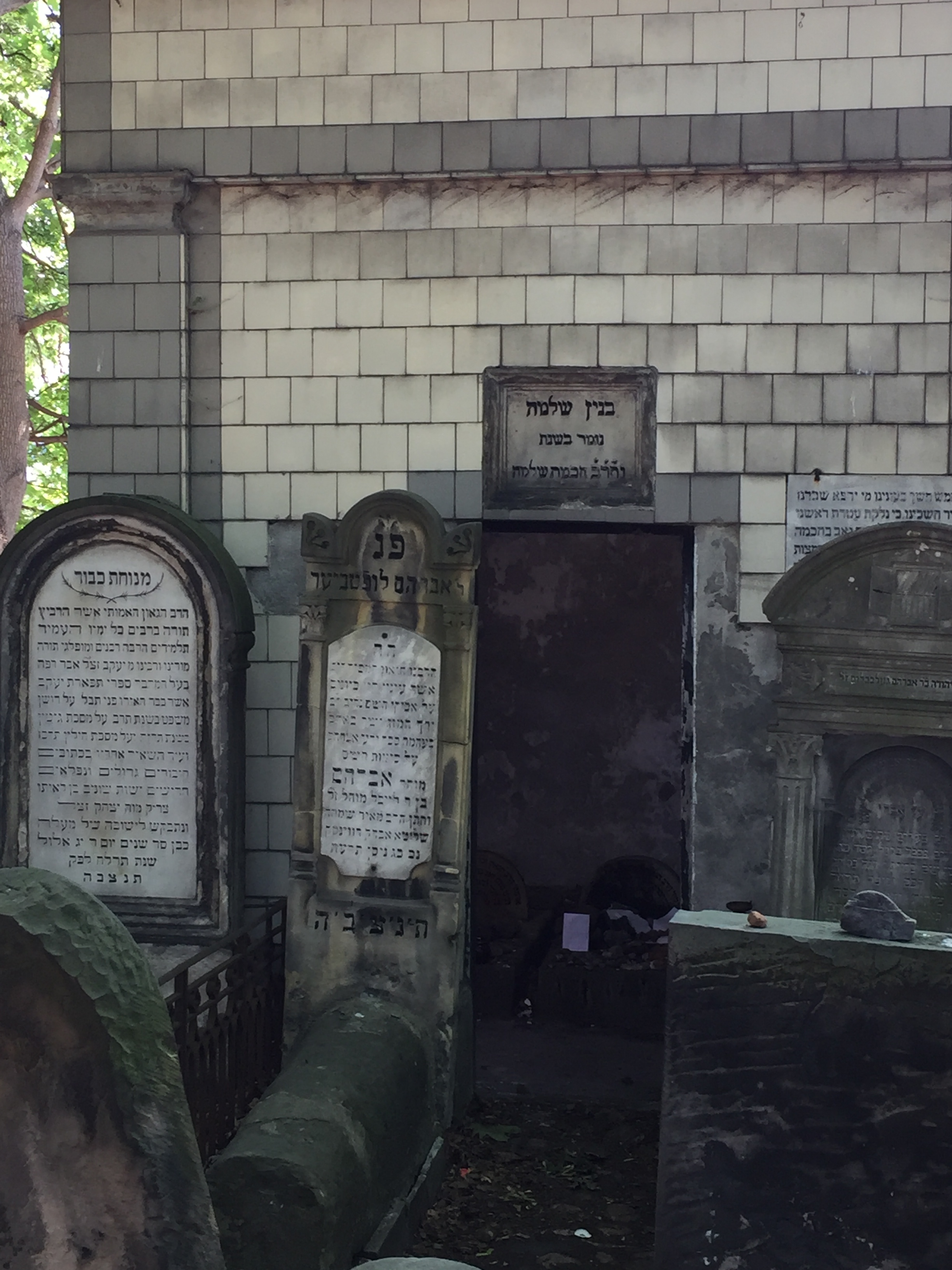
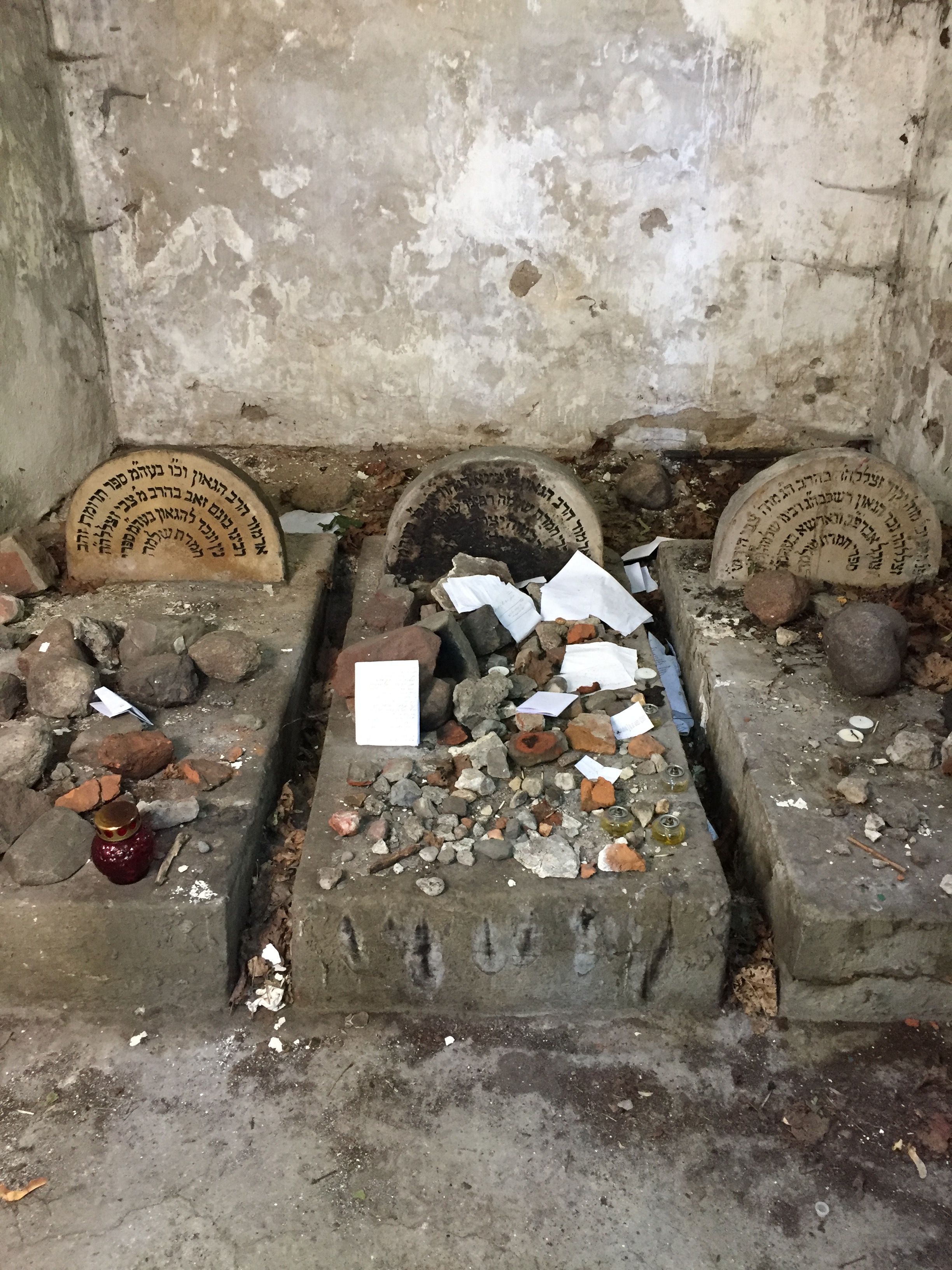
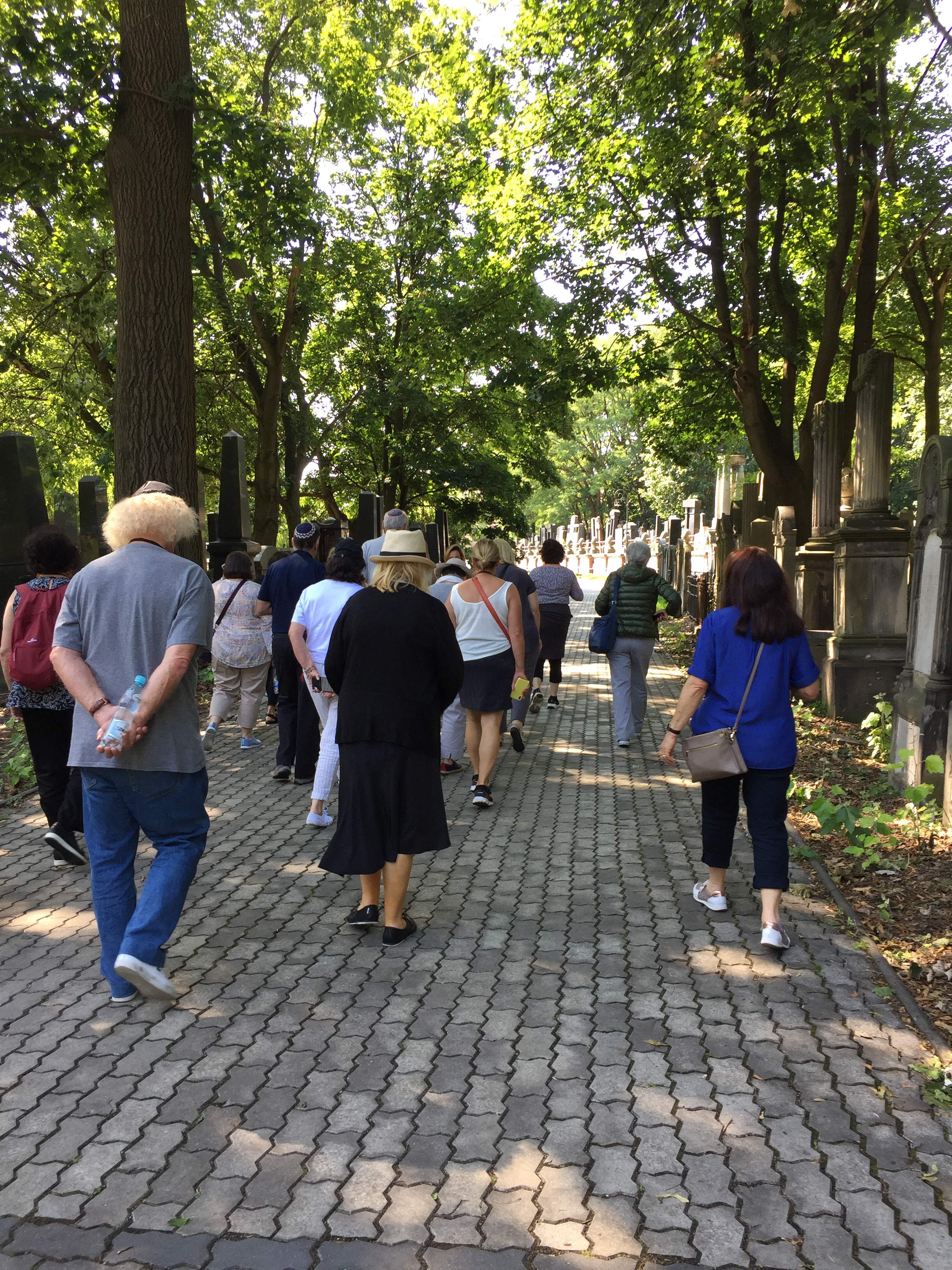
From here, we make our way to Warsaw’s Jewish Cemetery (Cmentarz Żydowski). Previously a part of the Warsaw Ghetto, it was in this cemetery that the Germans allowed the Jews to bury their dead, fearful that preventing their doing so would exacerbate the spread of typhus.
The conditions in the Ghetto were deplorable, and for many reasons. Warsaw had a high concentration of Jewish refugees (some 175,000 who were brought in from outlying areas), and they had only been allowed to bring a small number of items with them, which were quickly sold. Their odds of survival were so slim that once the ghetto was sealed in late 1940, some 100,000 people died in the space of only twelve months.
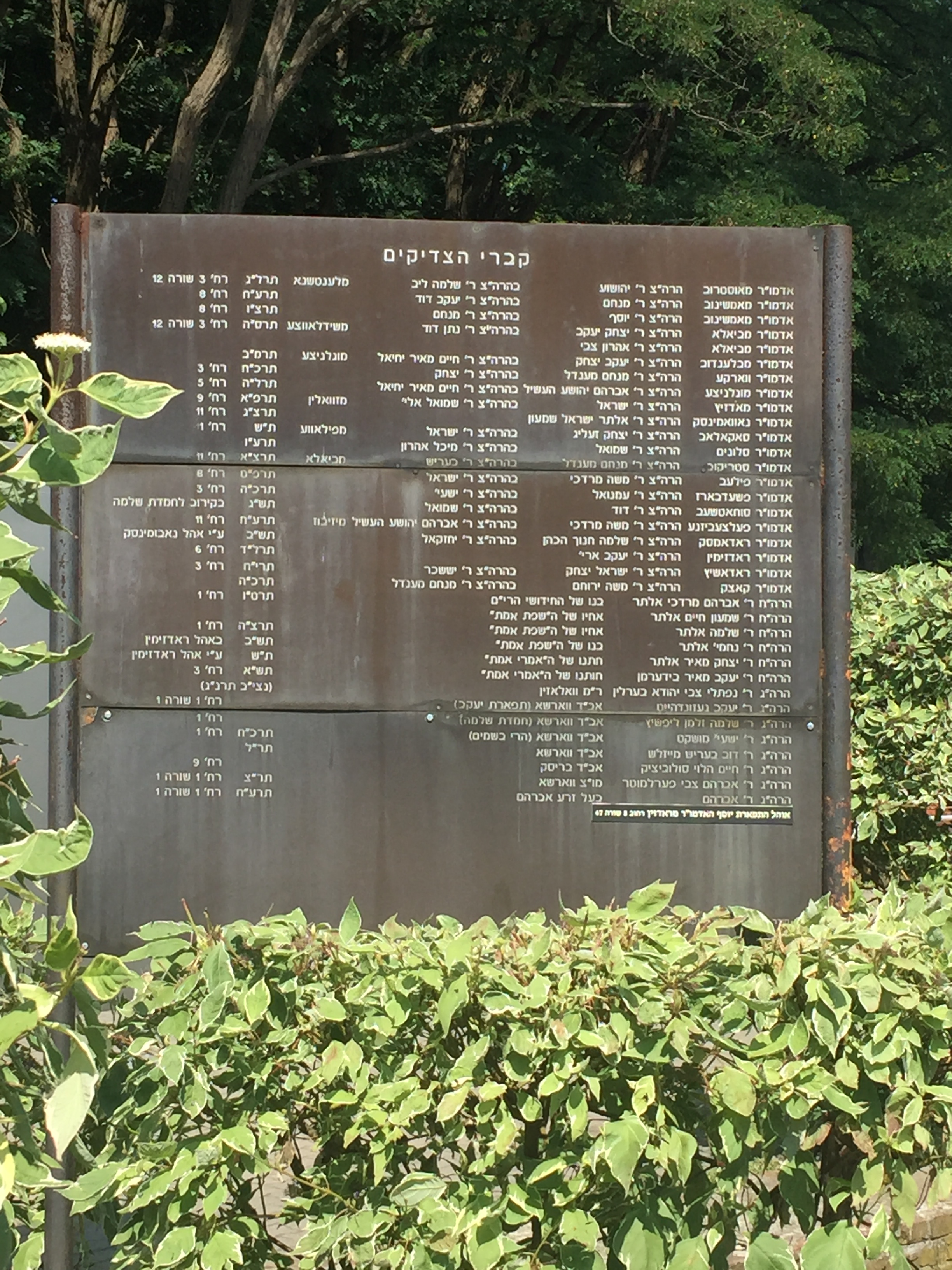
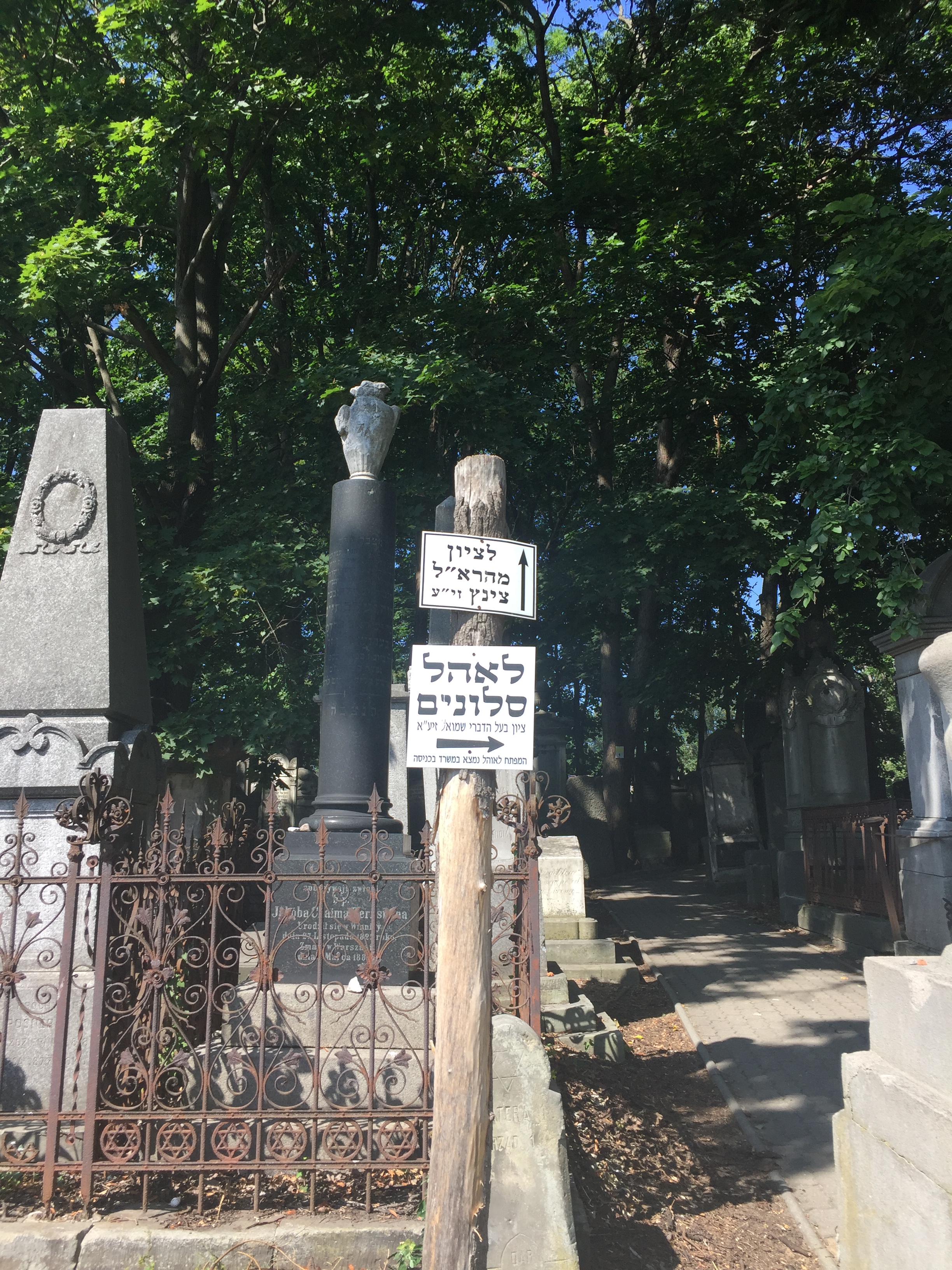
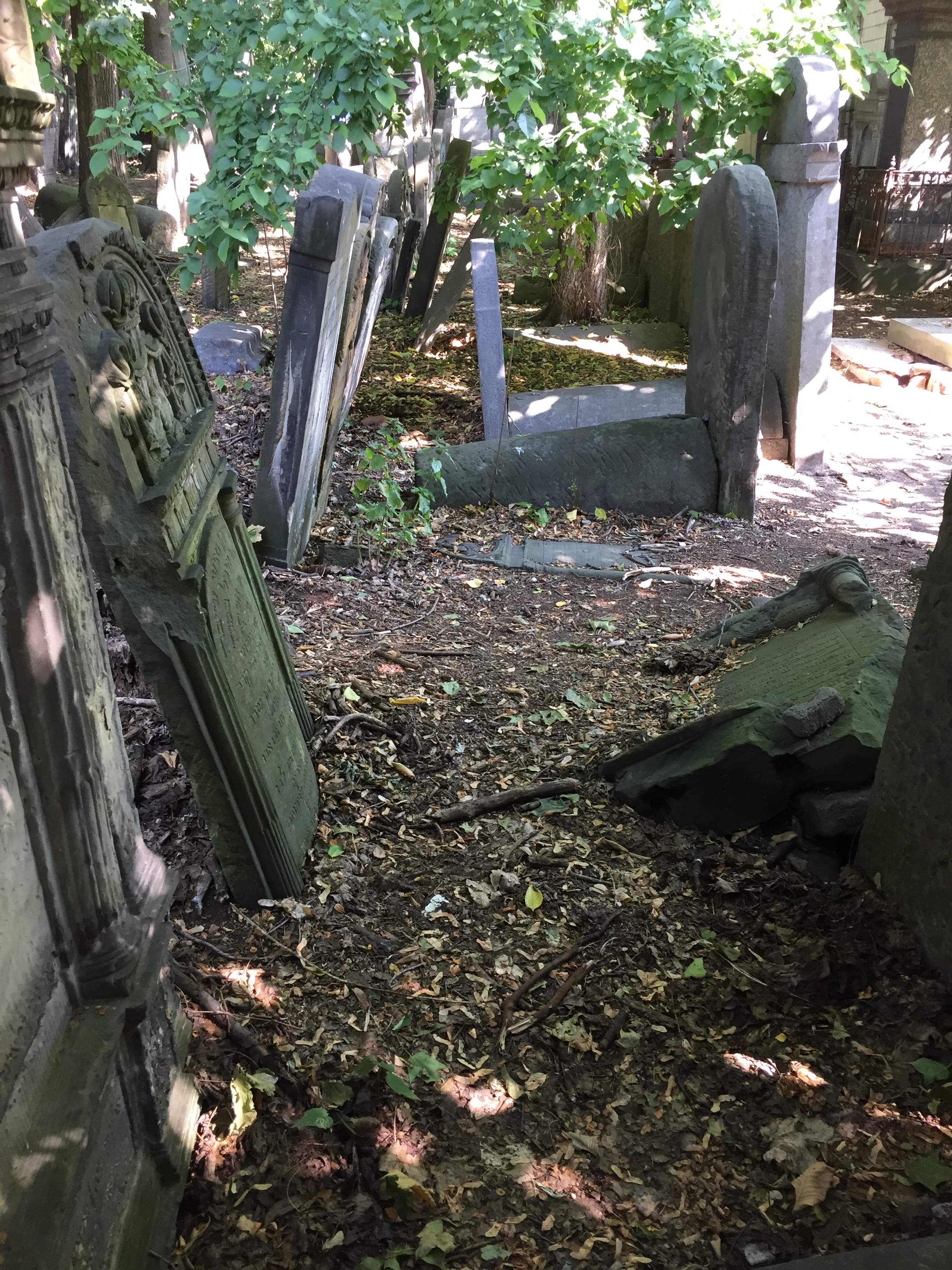
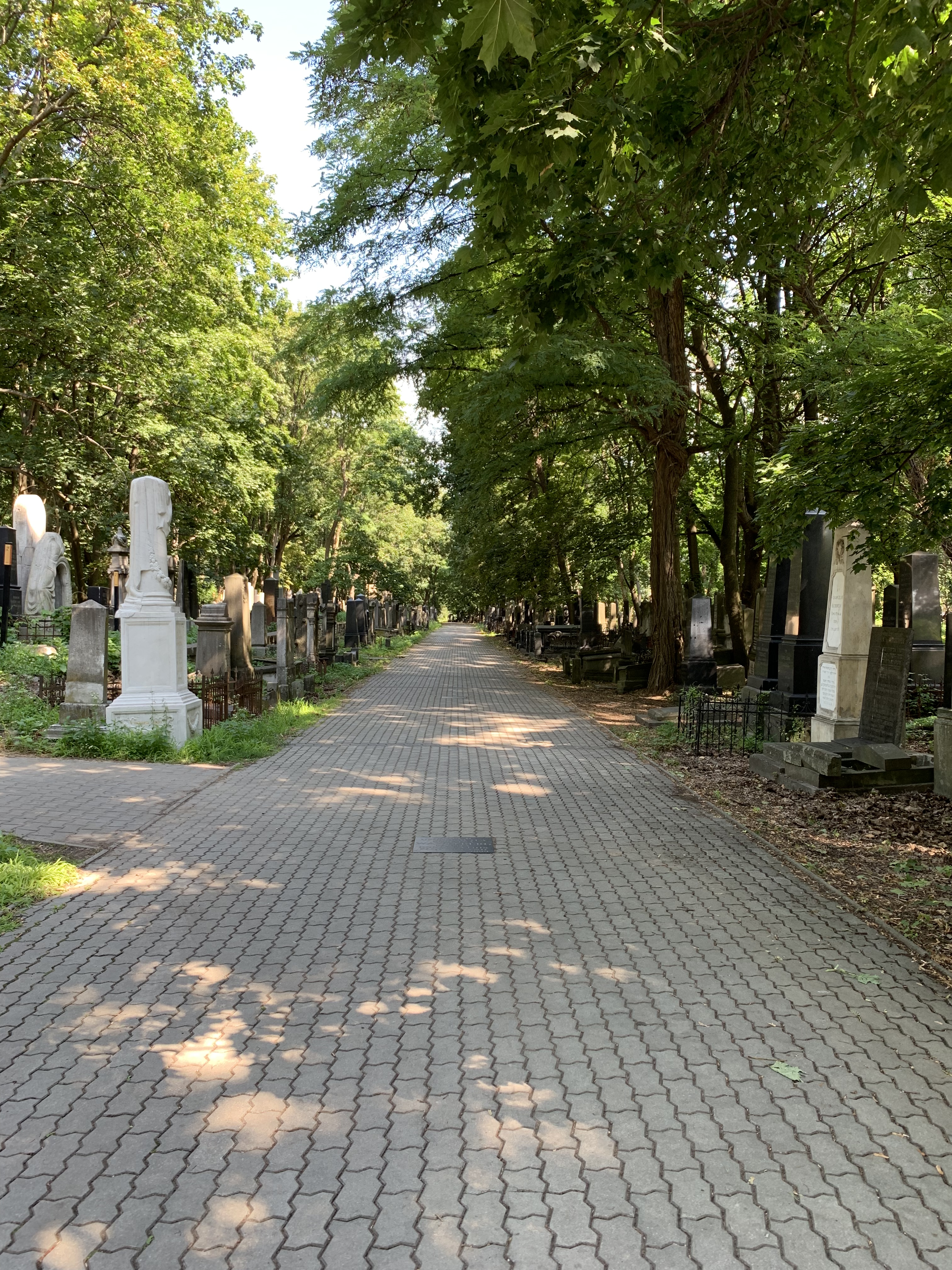
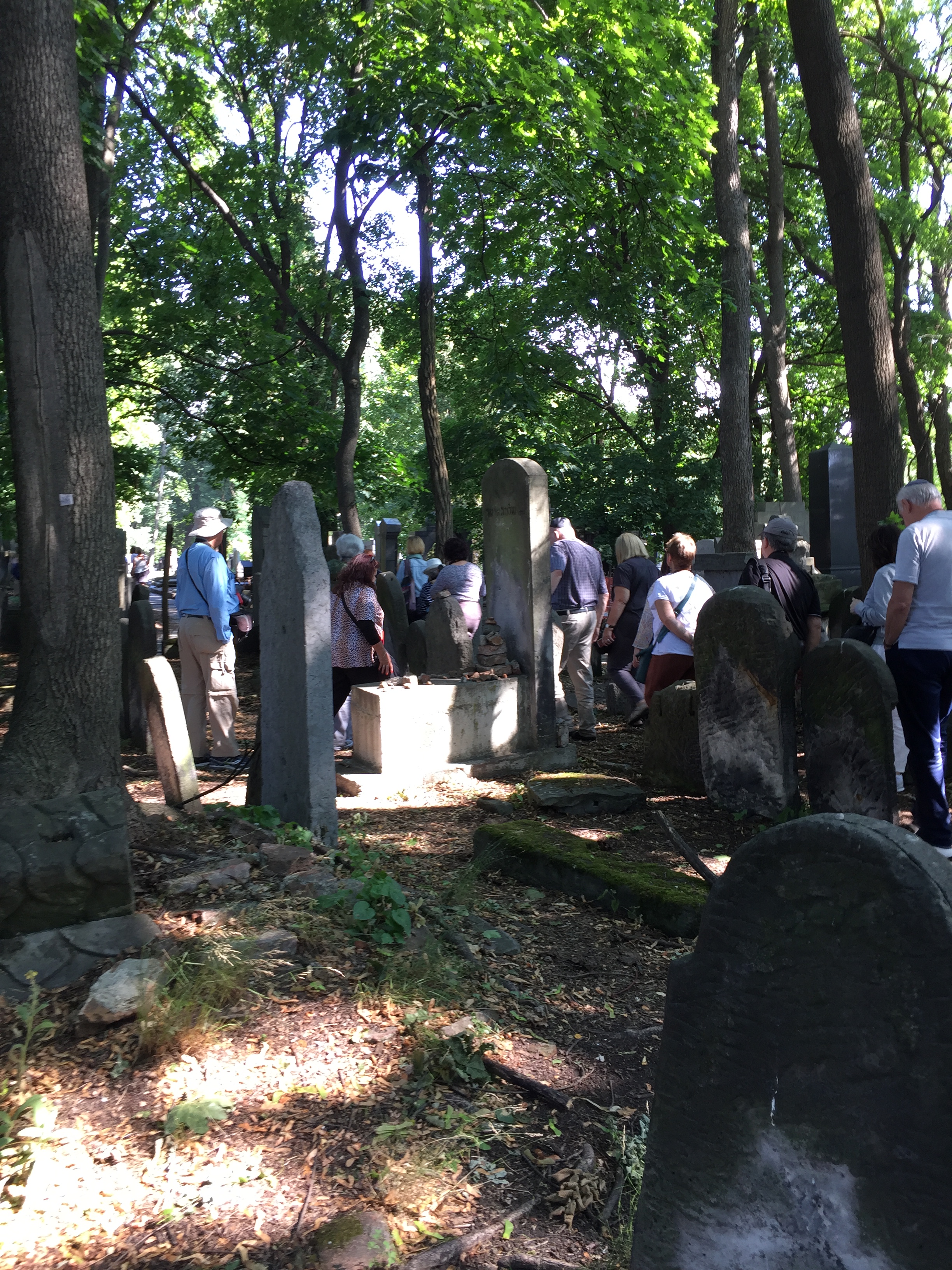
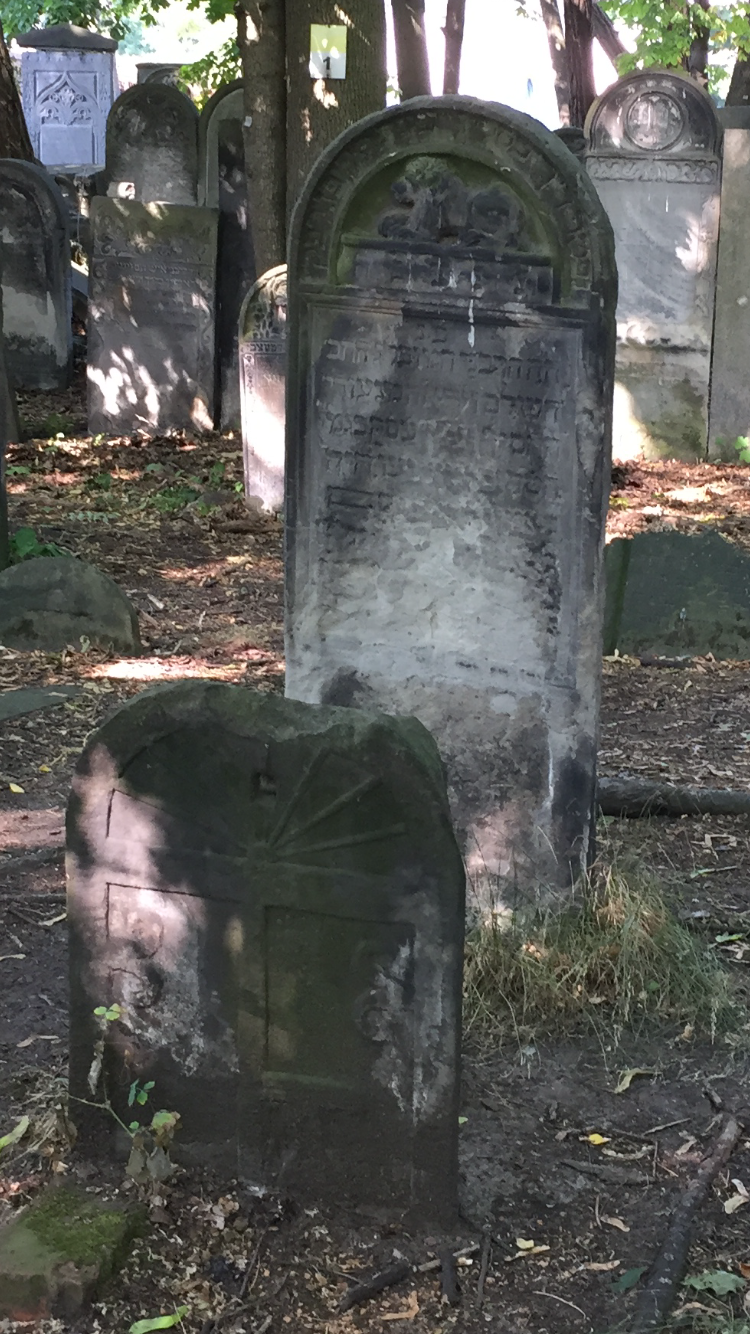
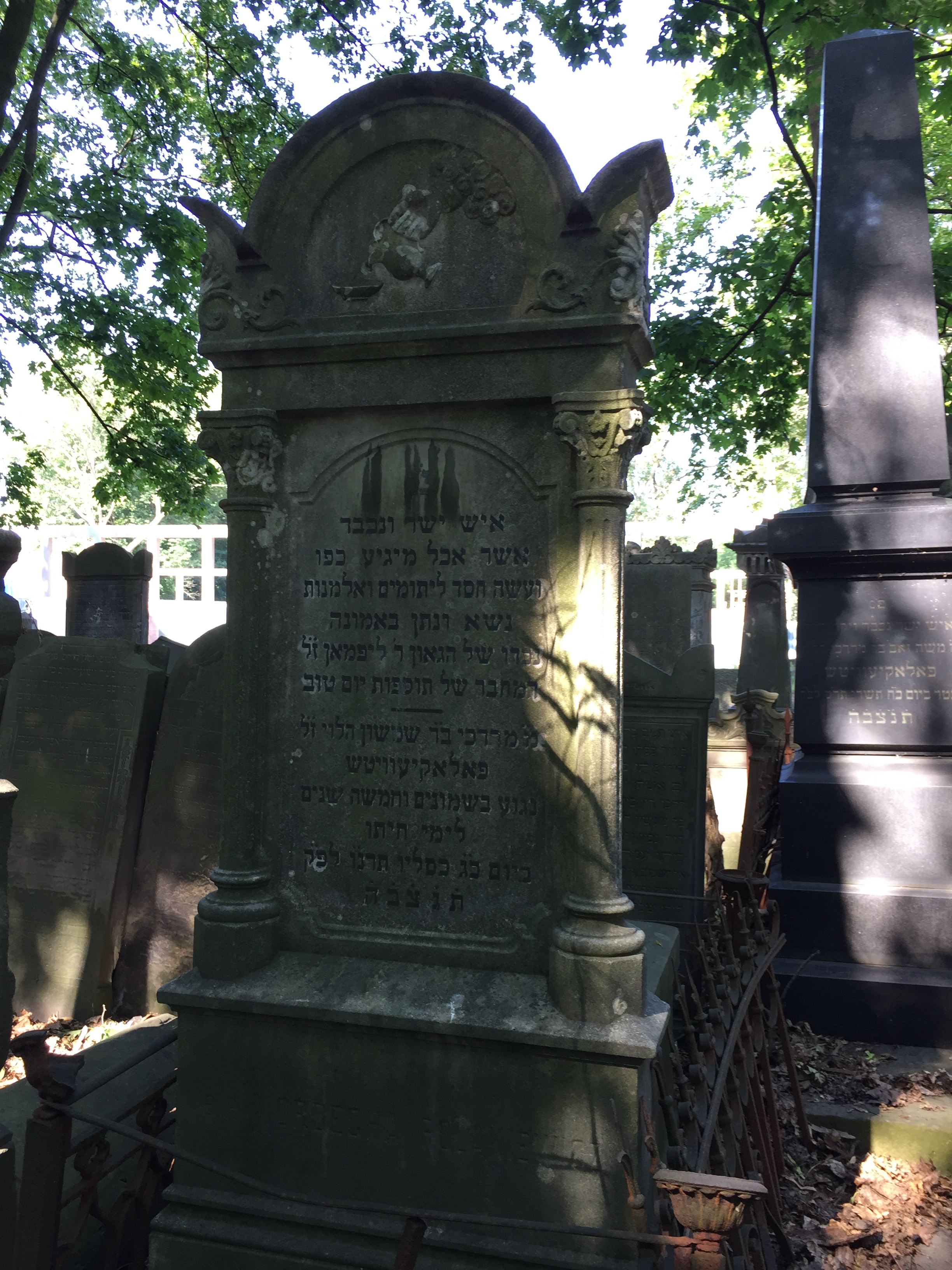
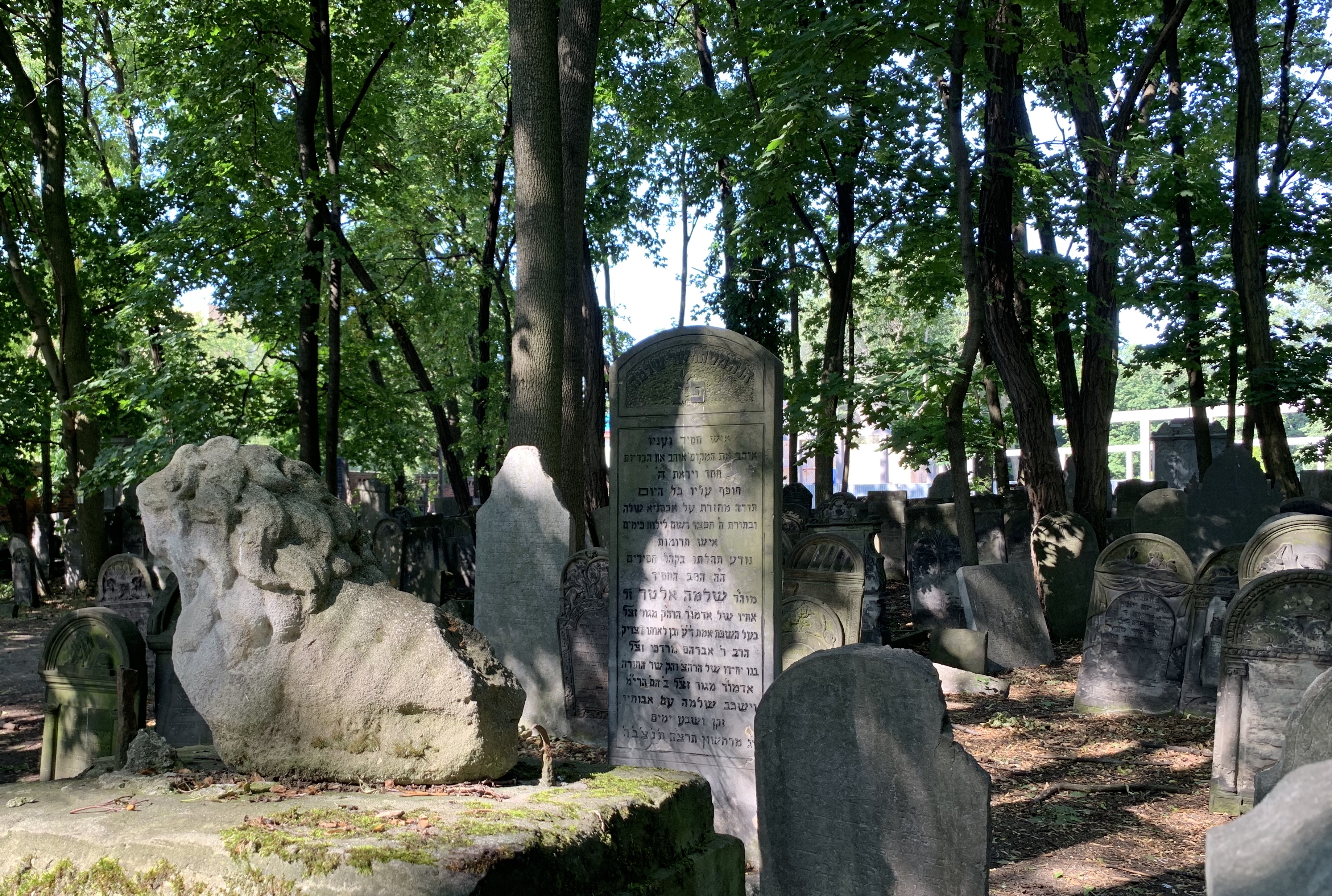
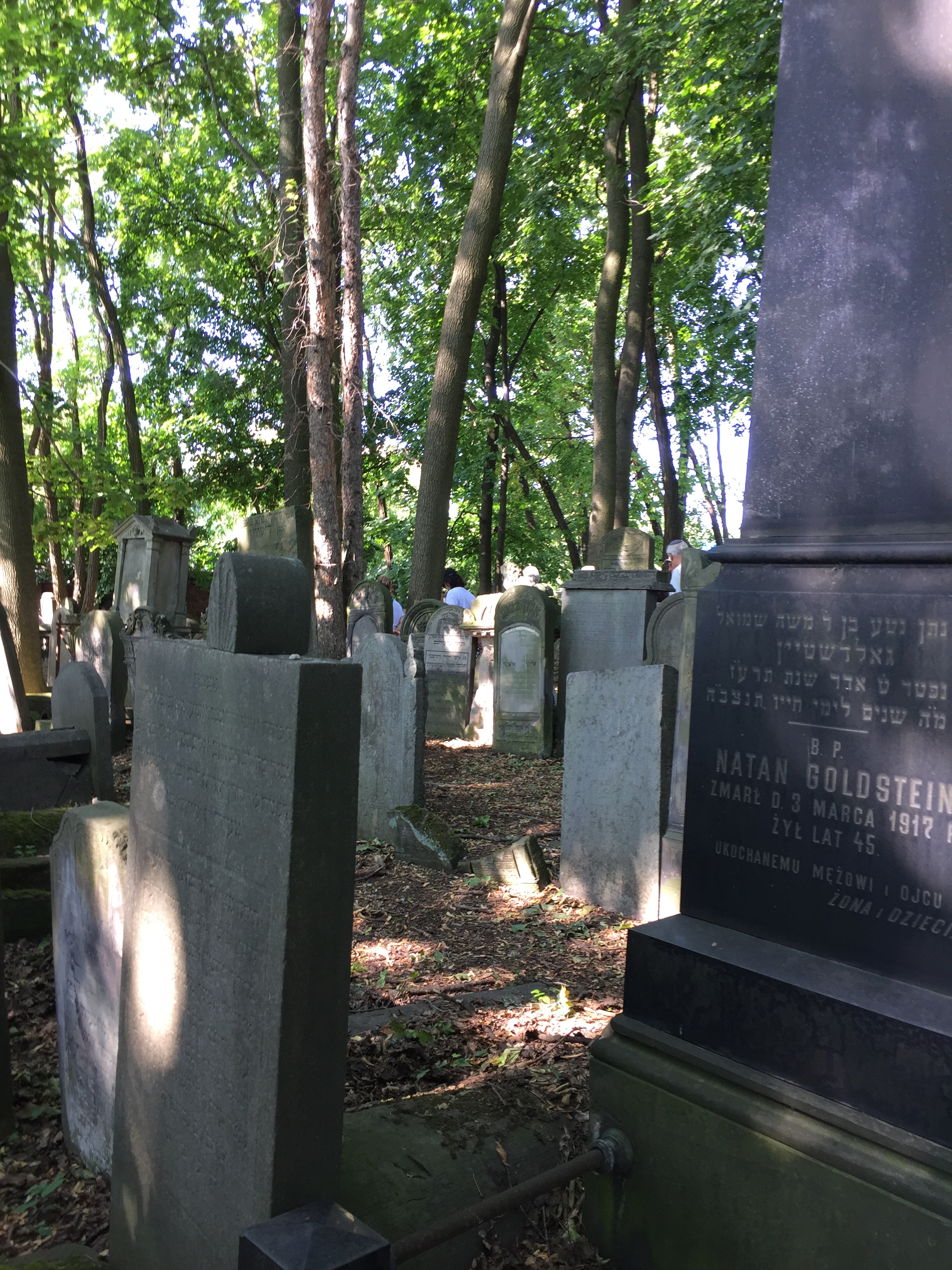
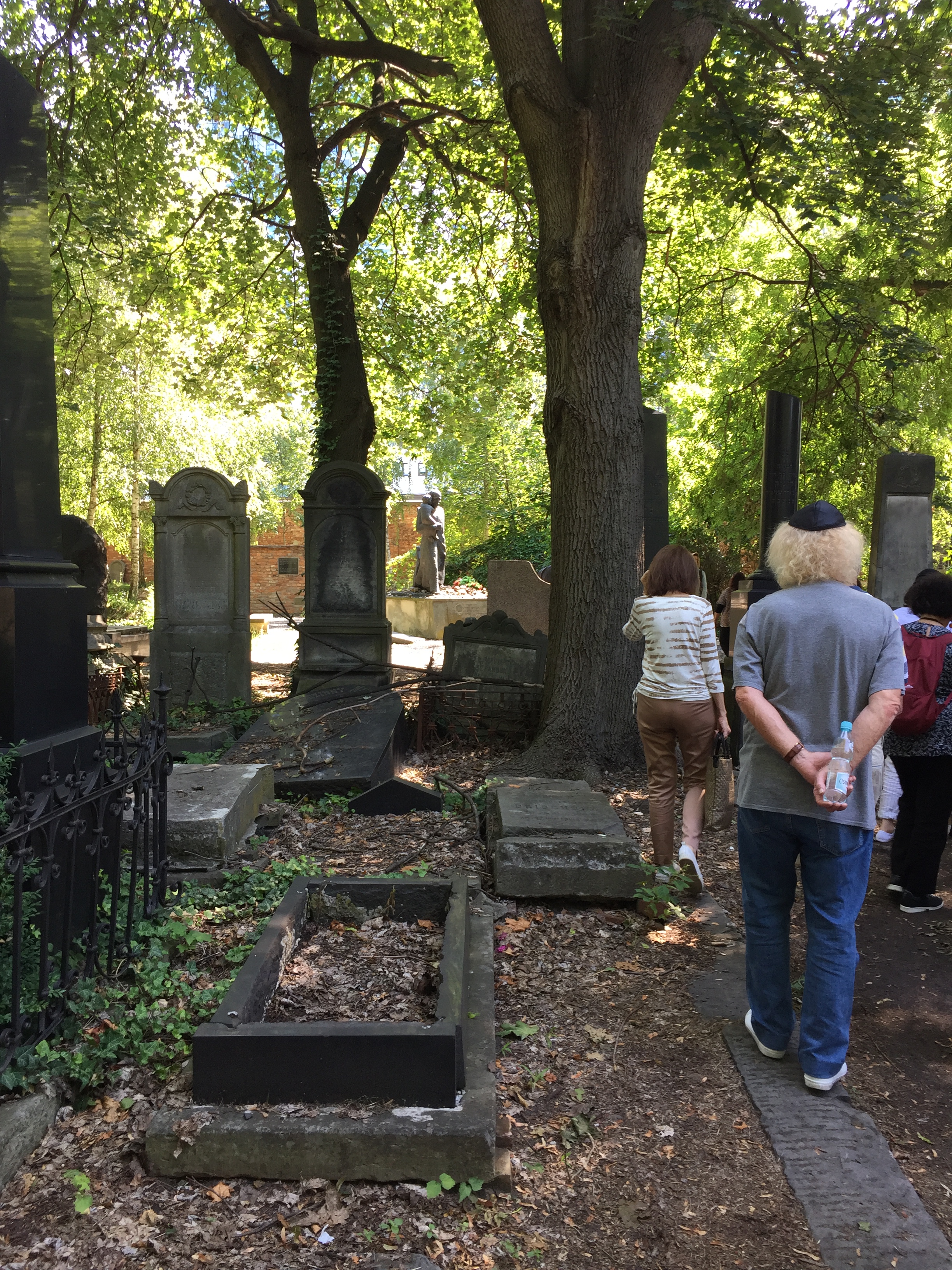
The cemetery is old and overrun with foliage. The soil between the cracked and leaning gravestones is pulpy with decaying leaves, and whatever pathways had once existed have long since been lost. As we clambered and shuffled between these monuments to mediaeval men and women, we were able to make out some of the writing. A pious man. A woman who loved virtue. A hasidic rebbe. A simple Jew.
Amongst the many famous people buried here is Dr L.L. Zamenhof, inventor of Esperanto. It might not be the most appropriate setting, but I cannot resist sharing the old joke, concerning the world’s first International Convention of Esperanto Speakers. Delegates from a dozen European countries get together to speak in Esperanto, hear lectures in Esperanto and sing songs in Esperanto. As the conference finishes, every one of them turns to his neighbour and remarks: “Oy – how nice to be speaking Yiddish again!”
Photograph: Simon Holloway
Photograph: Simon Holloway
Photograph: Simon Holloway
Photograph: Simon Holloway
Photograph: Howard Wolfers
Photograph: Simon Holloway
Photograph: Simon Holloway
Photograph: Simon Holloway
Photograph: Howard Wolfers
Photograph: Simon Holloway
Photograph: Simon Holloway
Photograph: Simon Holloway
Photograph: Simon Holloway
Photograph: Simon Holloway
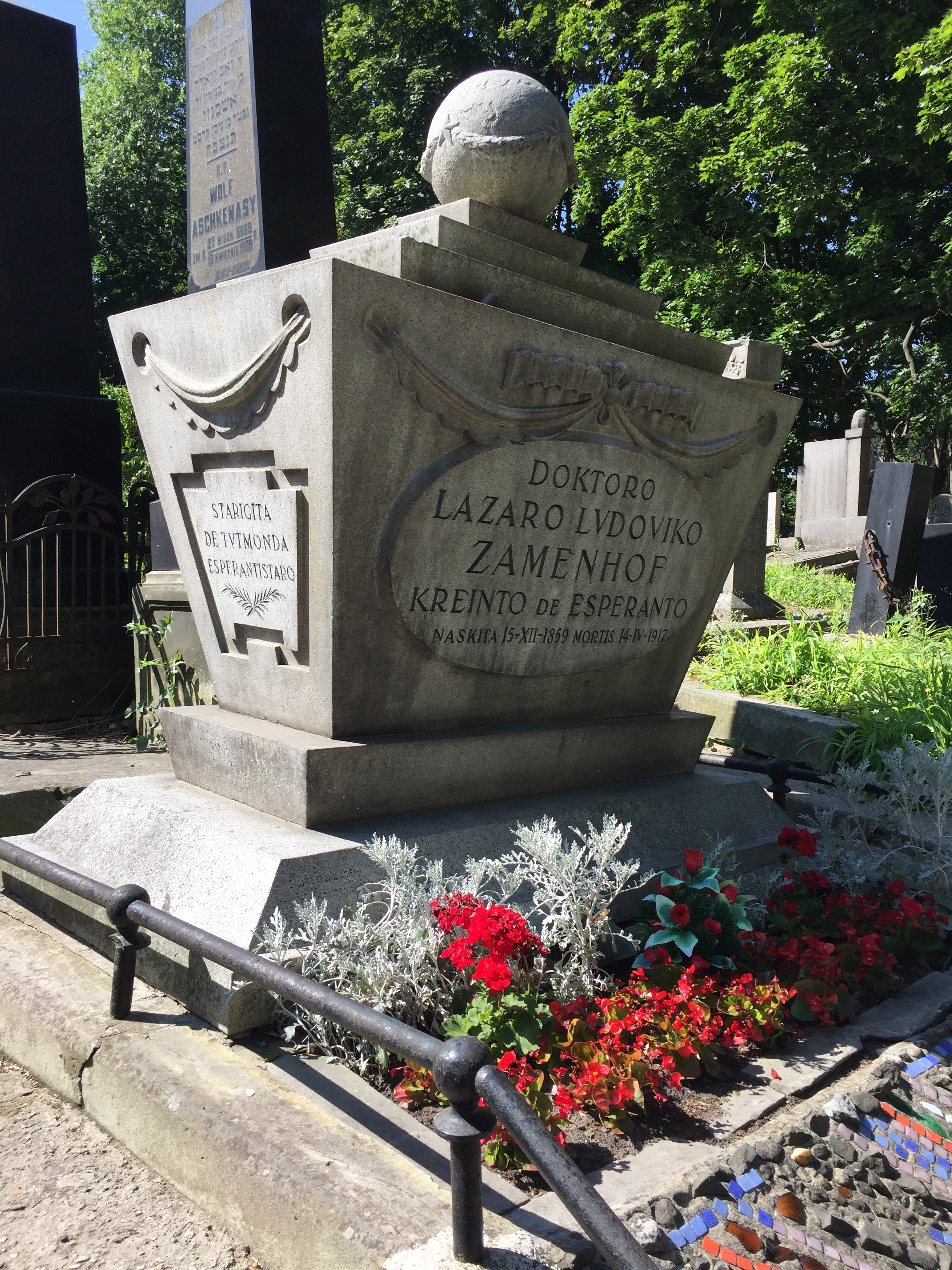
Photograph: Simon Holloway
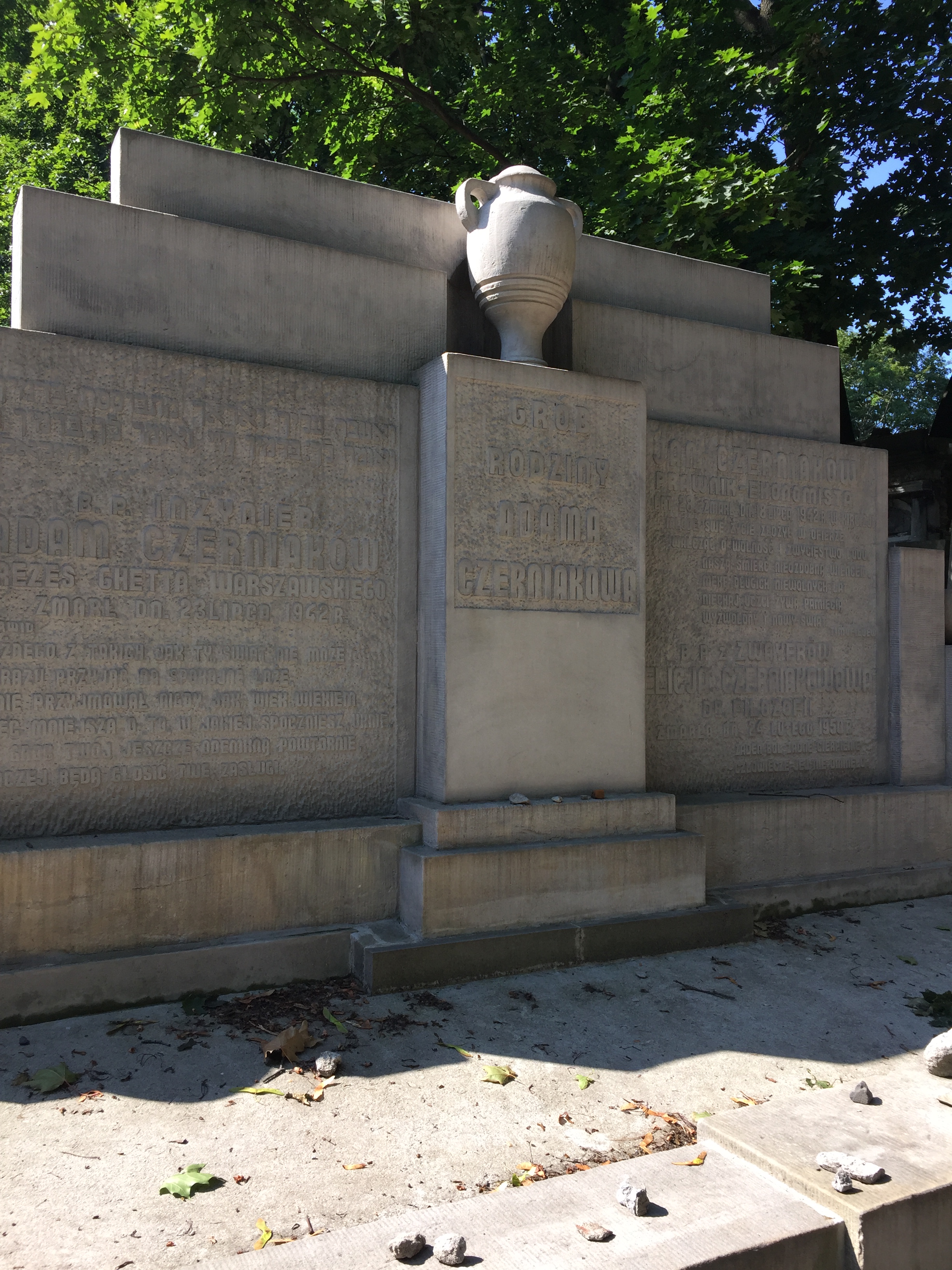
Photograph: Simon Holloway
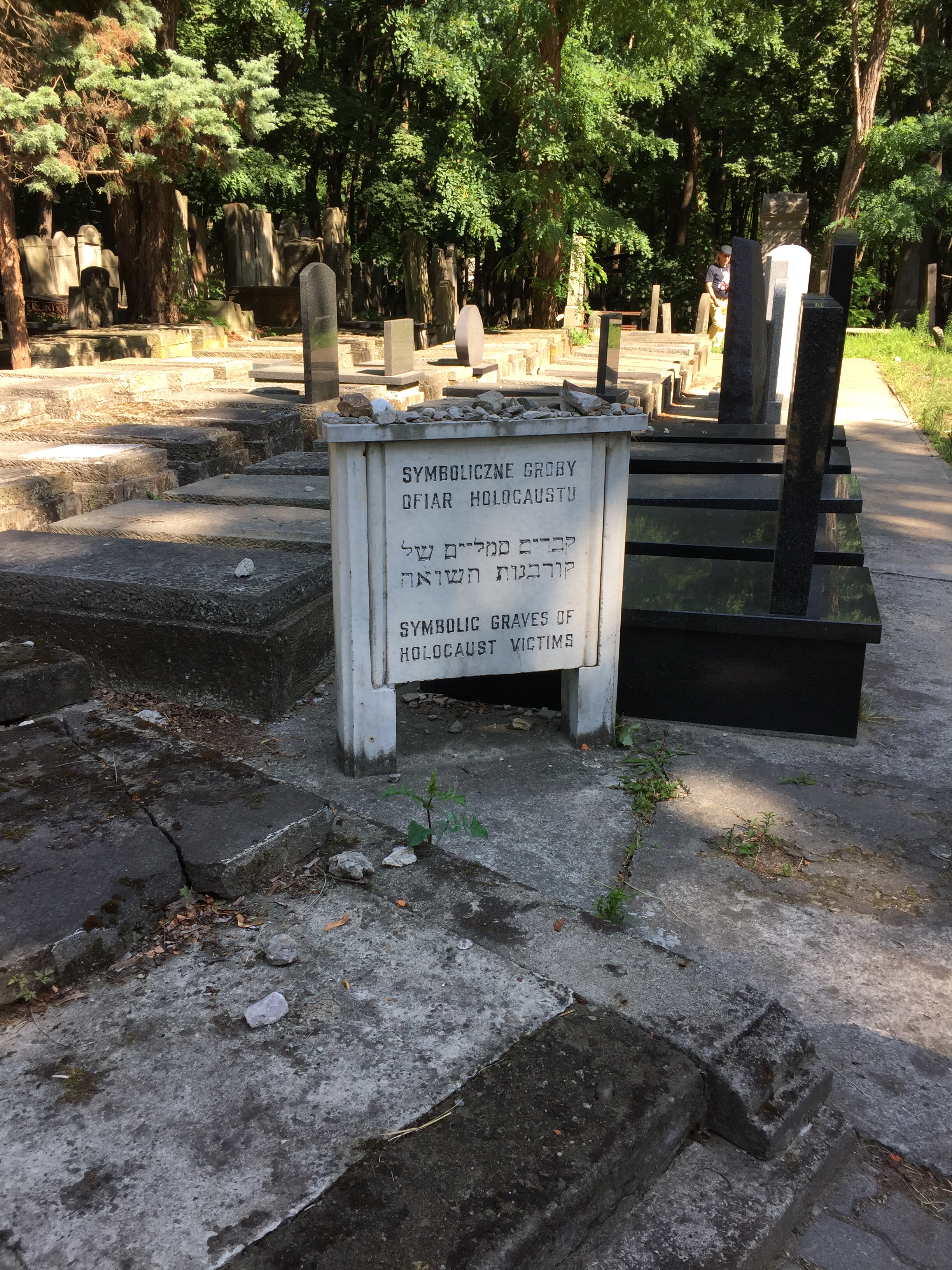
Photograph: Simon Holloway
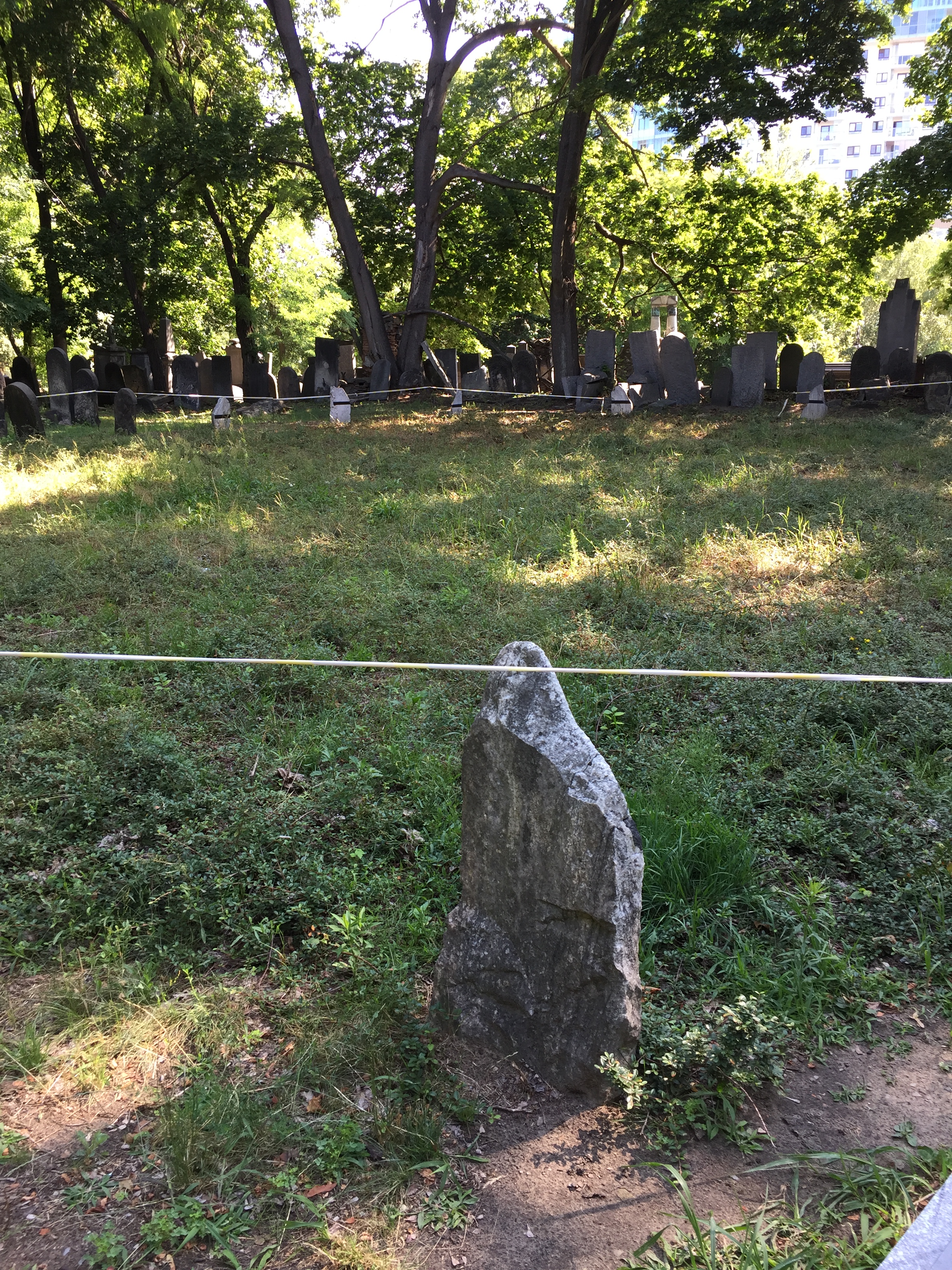
We pause at a roped off clearing, which houses the bodies of some 100,000 ghetto Jews, dead from hunger and disease. Konrad speaks to us about the nature of mass burials in the ghetto, and of the sorts of people who were most likely to perish. Warsaw, he tells us, had the highest number of survivors of the Holocaust: some 25,000 altogether. They were, for the most part, secular and assimilated Jews. Beneath our feet lie the remains of Warsaw’s Orthodox Jewish community. Differentiated from the rest of the local population, and believing themselves distinct from Poles, they had very little possibility of survival. Warsaw’s Bundists – those who opposed both Zionism and religiosity, and who imagined the future of their Yiddish-speaking culture flourishing on Polish soil – are now also mingled with it.
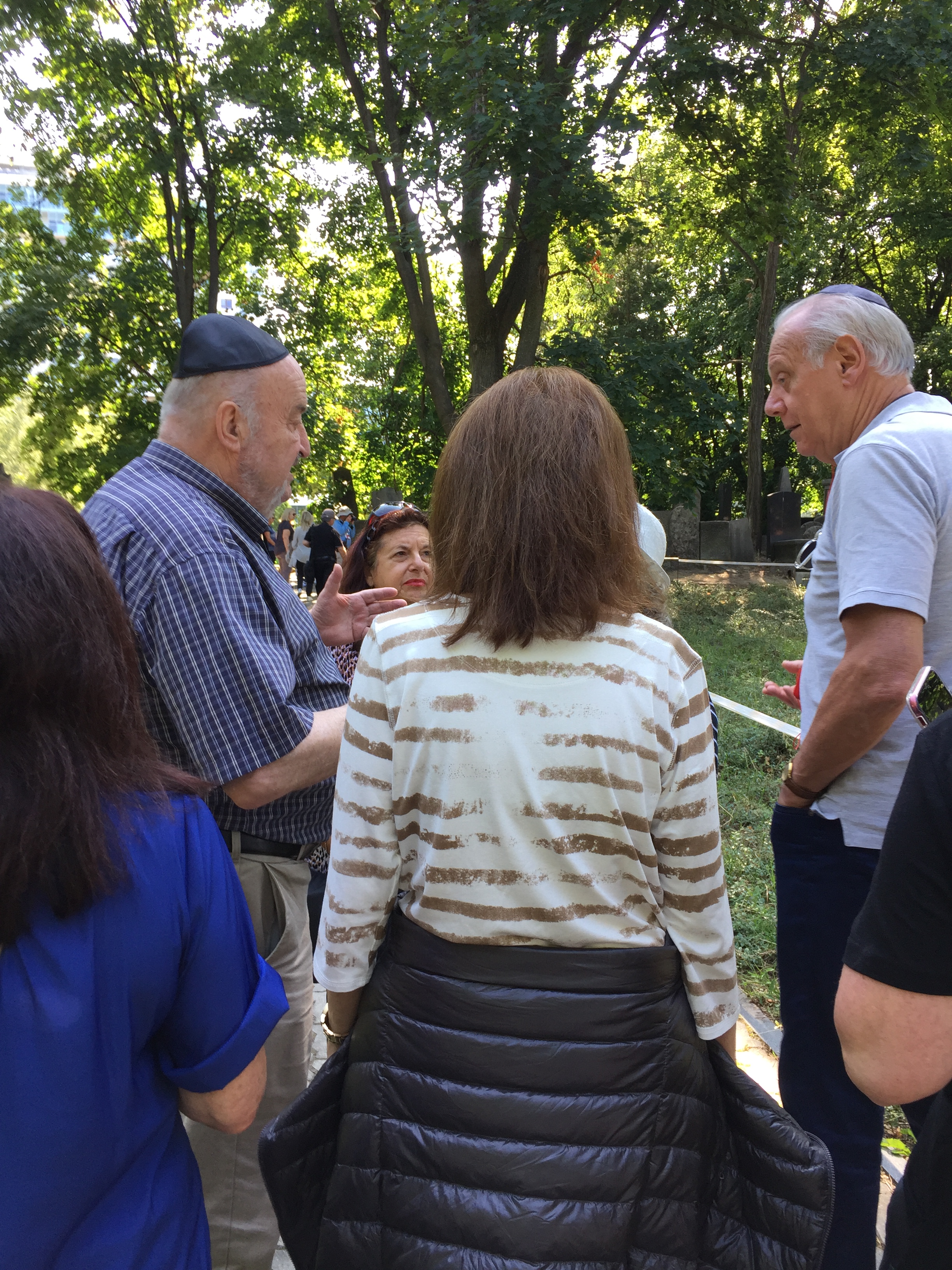
Photograph: Simon Holloway
Photograph: Simon Holloway
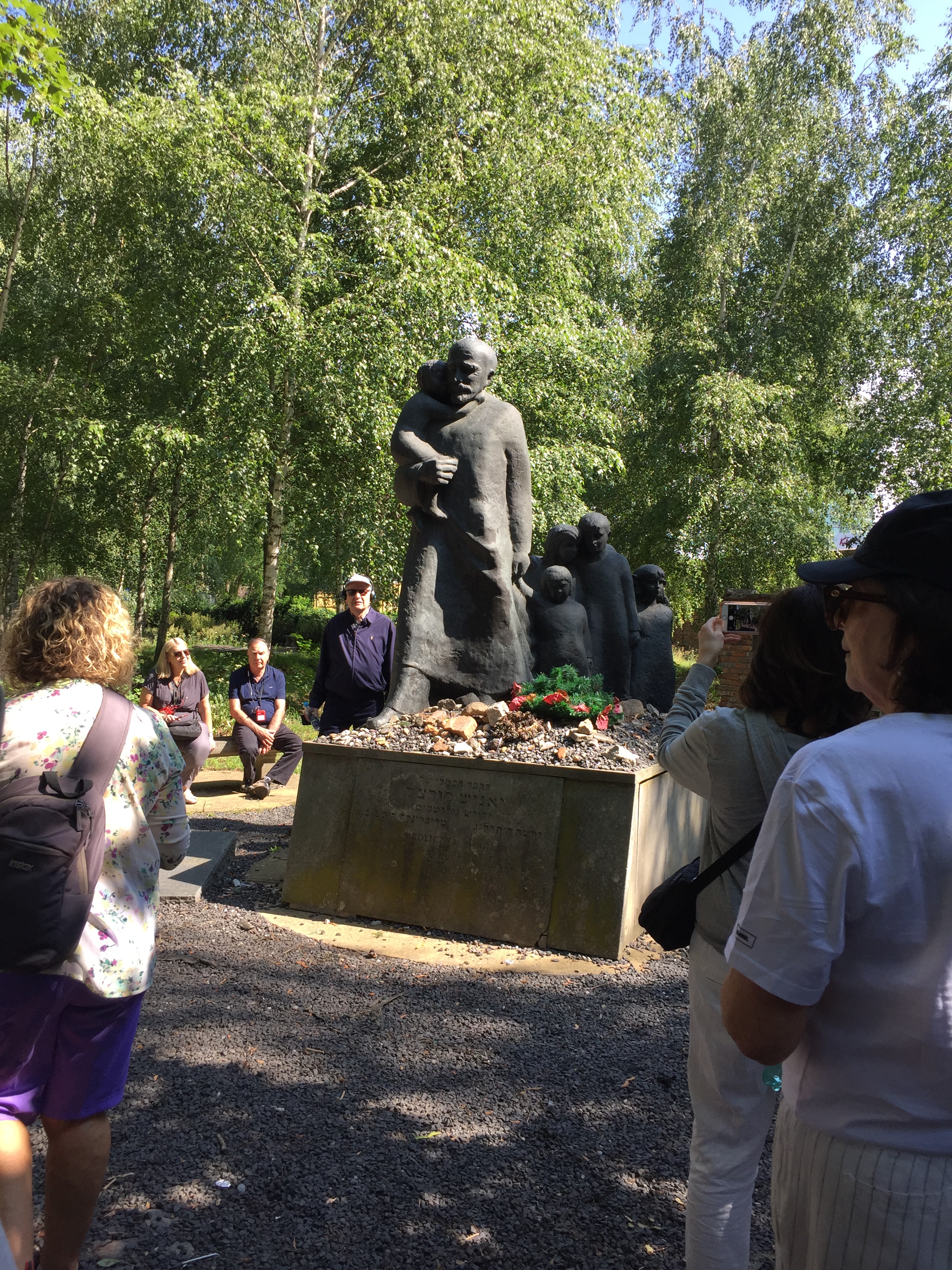
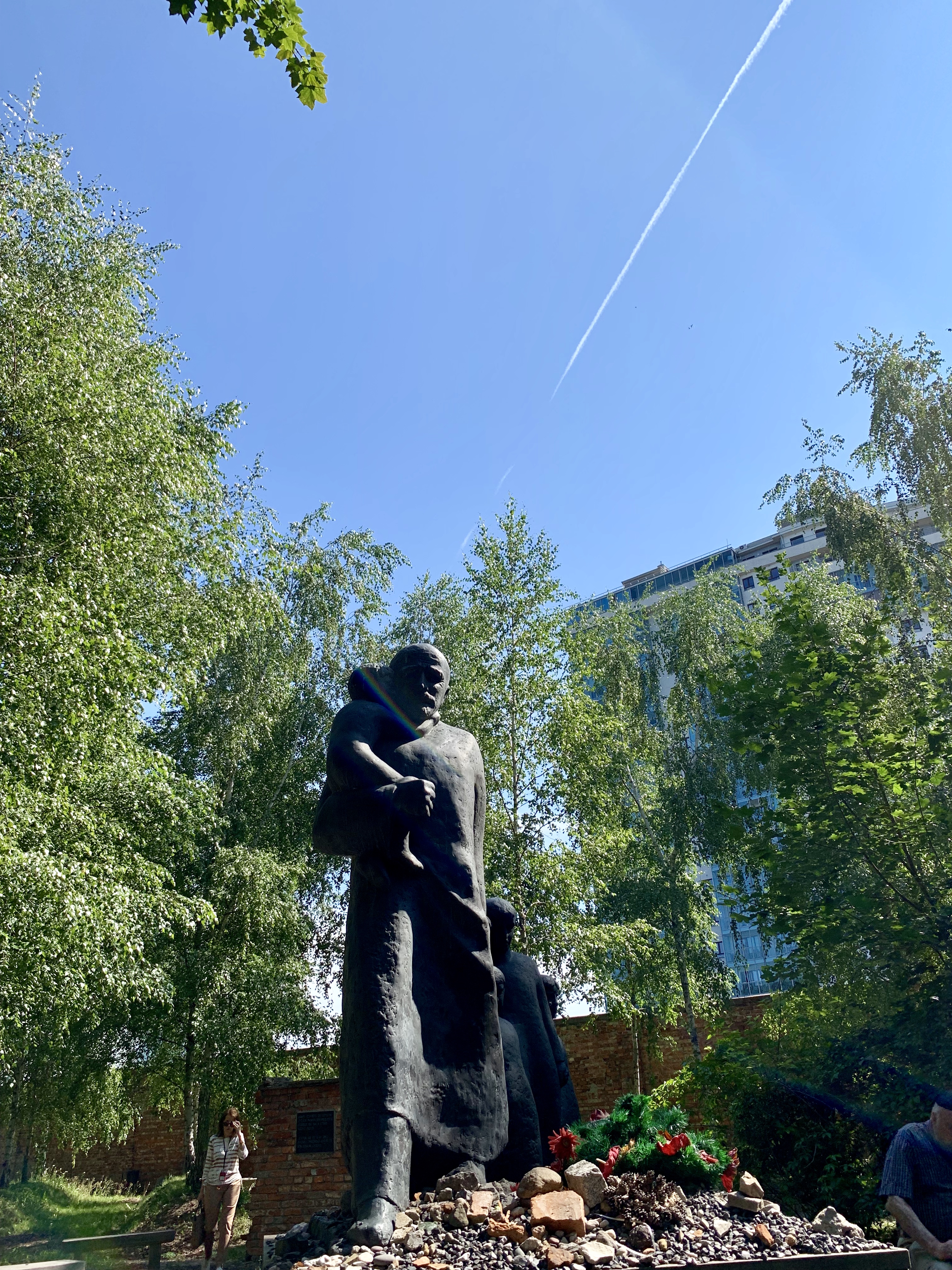
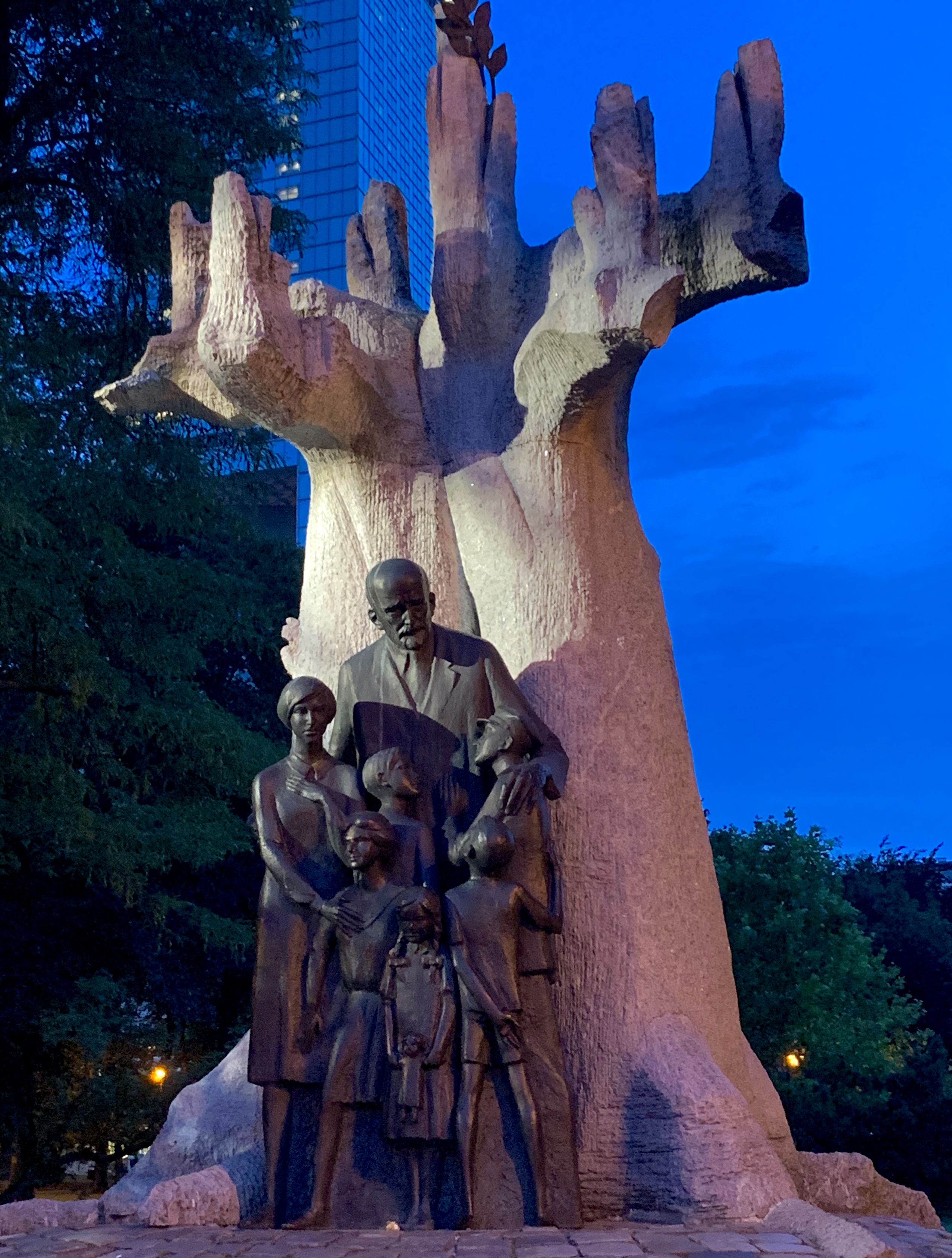
We pause at a memorial to Henryk Goldszmit (“Janusz Korczak”), whose act of heroism continues to arouse strong emotions today. Despite being offered a hiding place on the Aryan side of the ghetto, Korczak chose to walk the Jewish children who were in his care to the umschlagplatz, and board the train to Treblinka with them. A lover of children to the last moment, his act inspired others within the ghetto. Abraham Lewin, for example, who worked as an educator in the ghetto, and whose essay on education was found within the Oyneg Shabbes archive, subsequently did the same.
Photograph: Simon Holloway
Photograph: Simon Holloway
Photograph: Howard Wolfers
Near this memorial lies another, dedicated to the one million Jewish children murdered by the Germans and their collaborators, and especially to the children of the Warsaw Ghetto. There are two poems on the wall, one of which is to “The Little Smuggler” (Mały szmugler), by Henryka Lazowert, who was murdered in 1942 at the age of 33. The other (by Jack Eisner) is untitled. As Rony tells us, children were the heroes of the ghetto, their little bodies allowing them egress through passages in the wall, and their acts of escape and subterfuge providing food for their desperate families. Pearl speaks about her father, Kuba, who was one such child.
Blond-haired and blue-eyed, and armed with fake Polish identification, Kuba risked his life on several occasions, sneaking out of the Krakow Ghetto to procure food from his family’s boarded-up shop. Had he been caught by the Germans, he might have been mistaken for a German-looking Polish boy, and given to a German family for “Aryanisation”. It would not have been long before somebody would have realised his true ethnic origins, and it does not bear considering what would have happened next.
Grandma Masha
had twenty grandchildren
Grandma Hana
had eleven
only I survived
– Jack Eisner
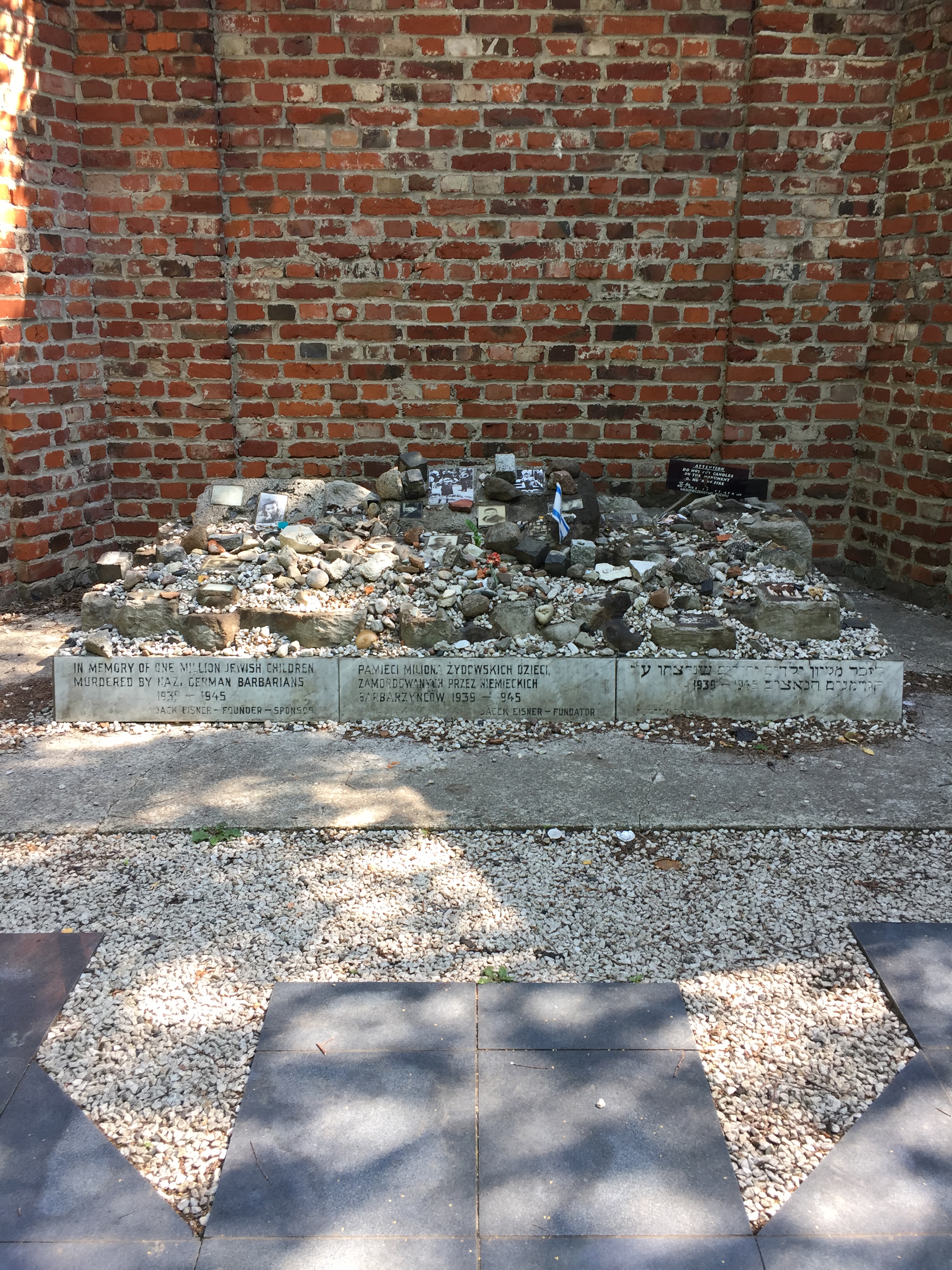
Photograph: Simon Holloway
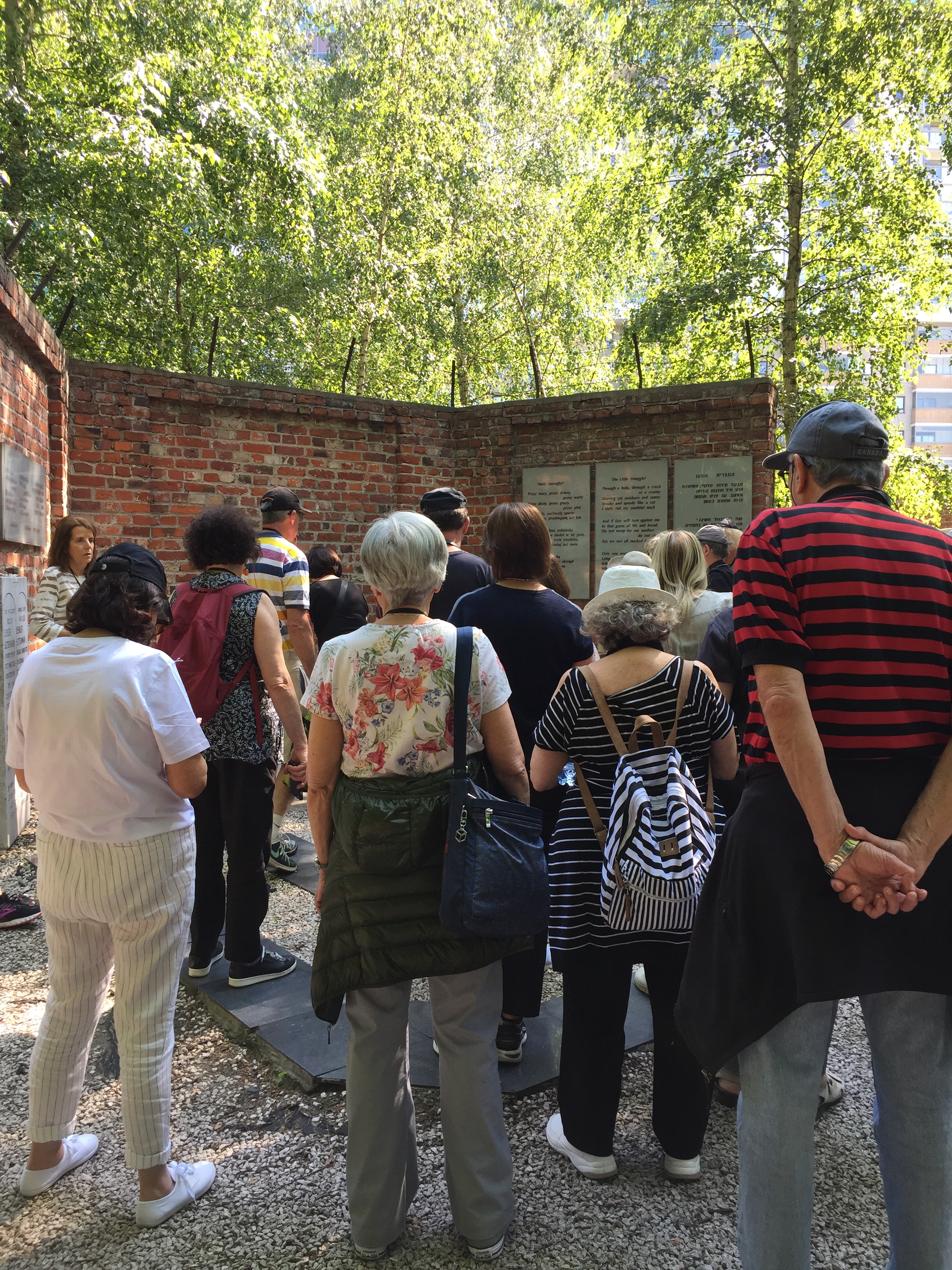
Photograph: Simon Holloway
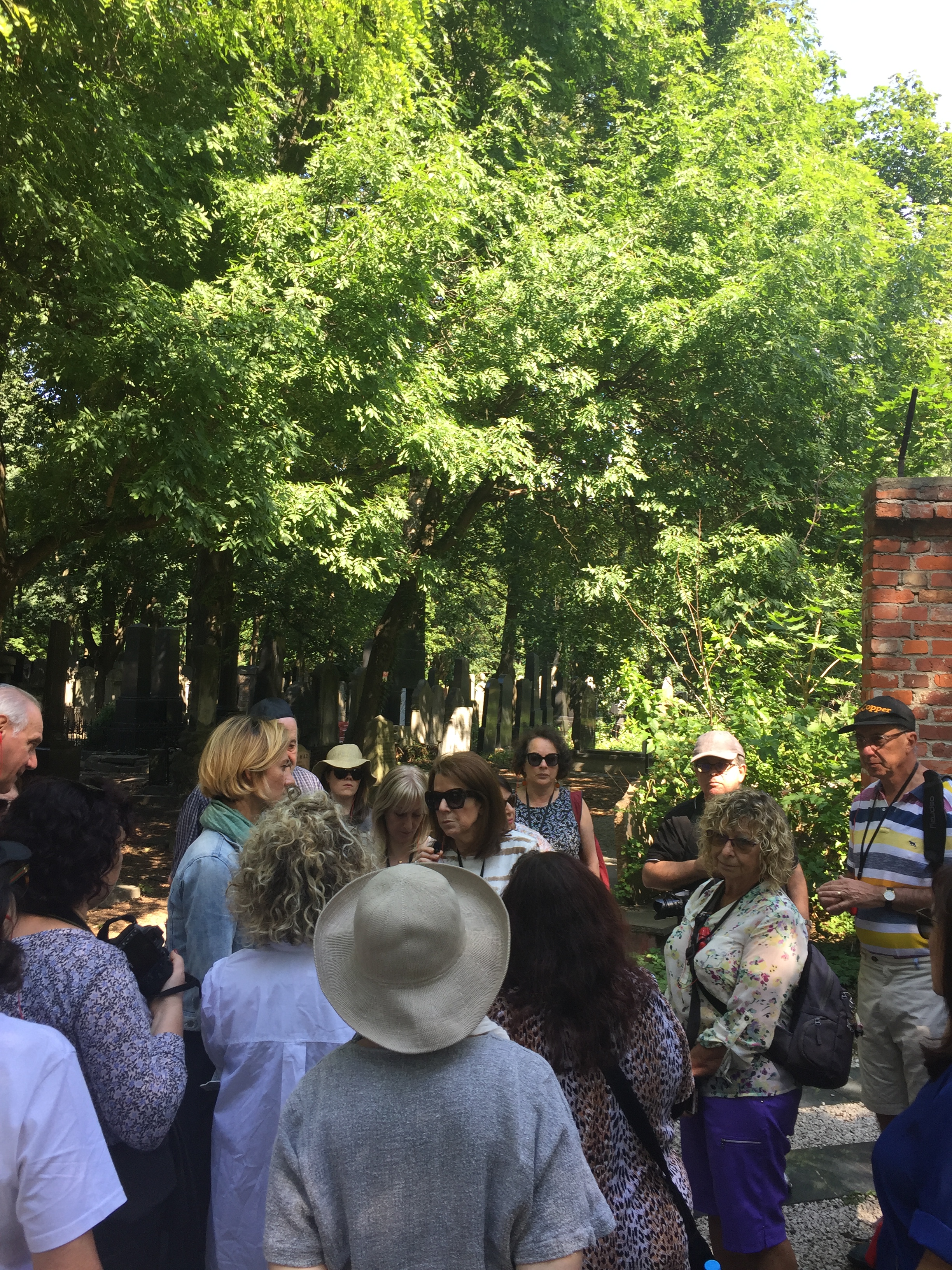
Photograph: Simon Holloway
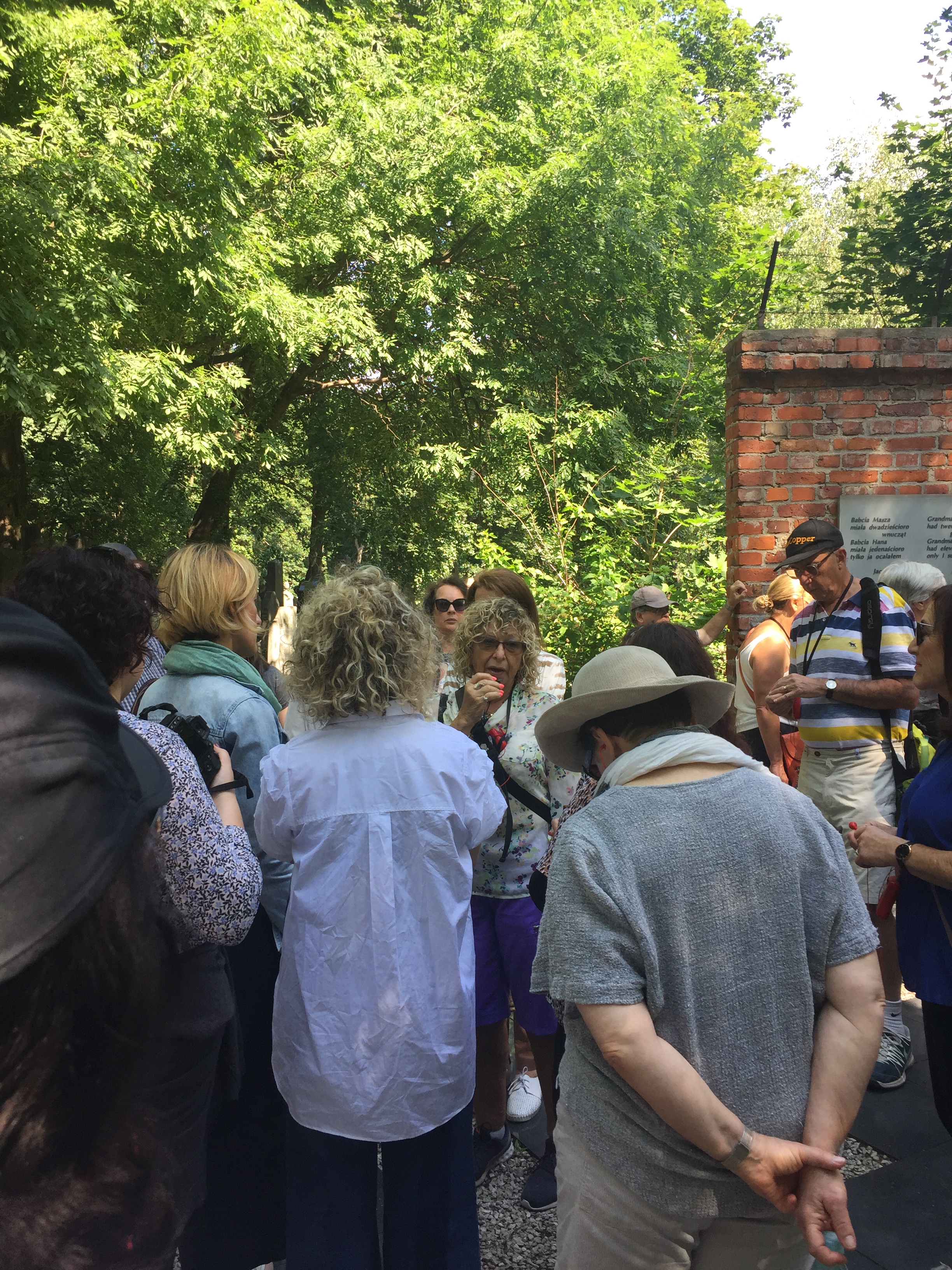
Photograph: Simon Holloway
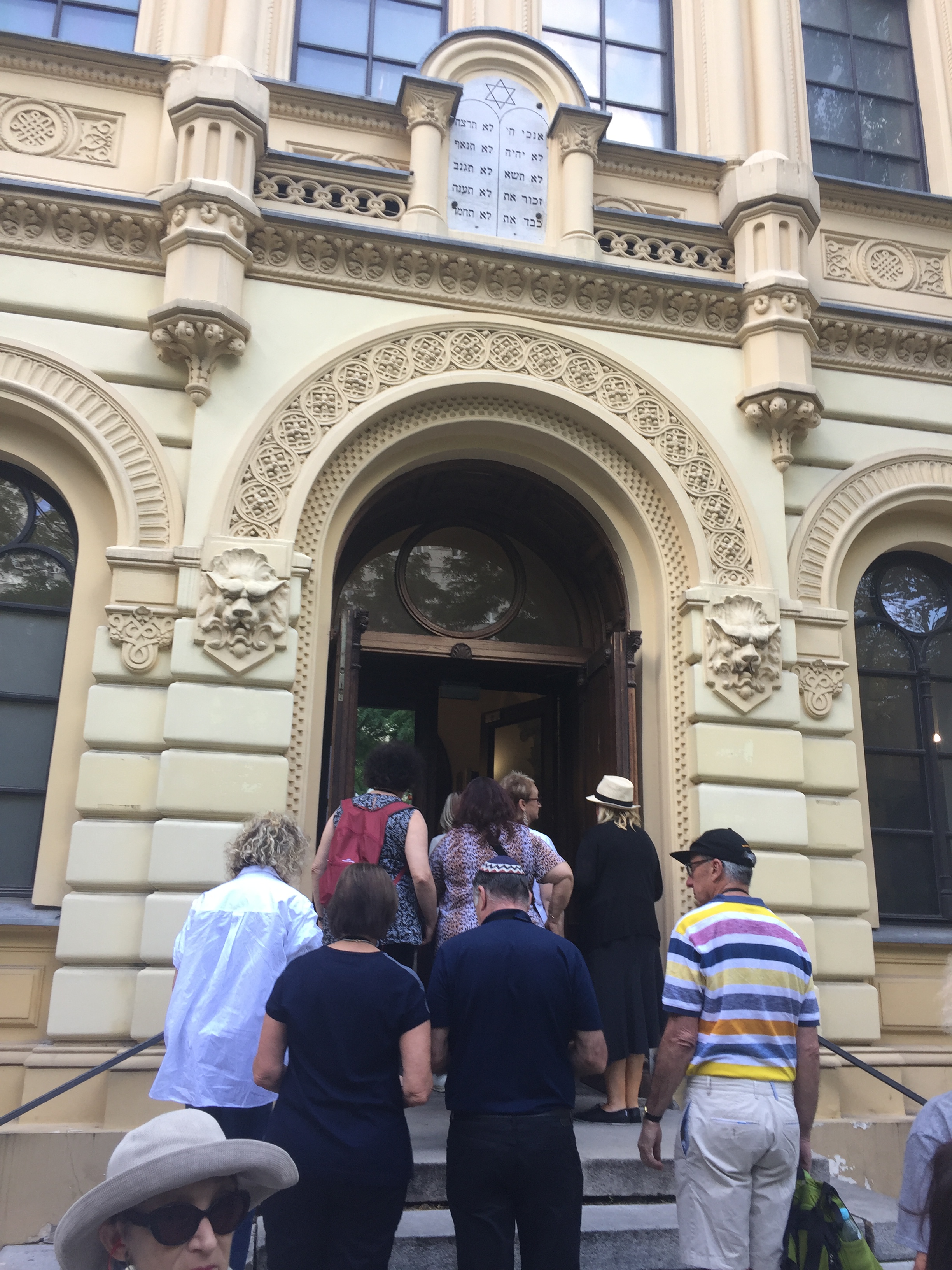
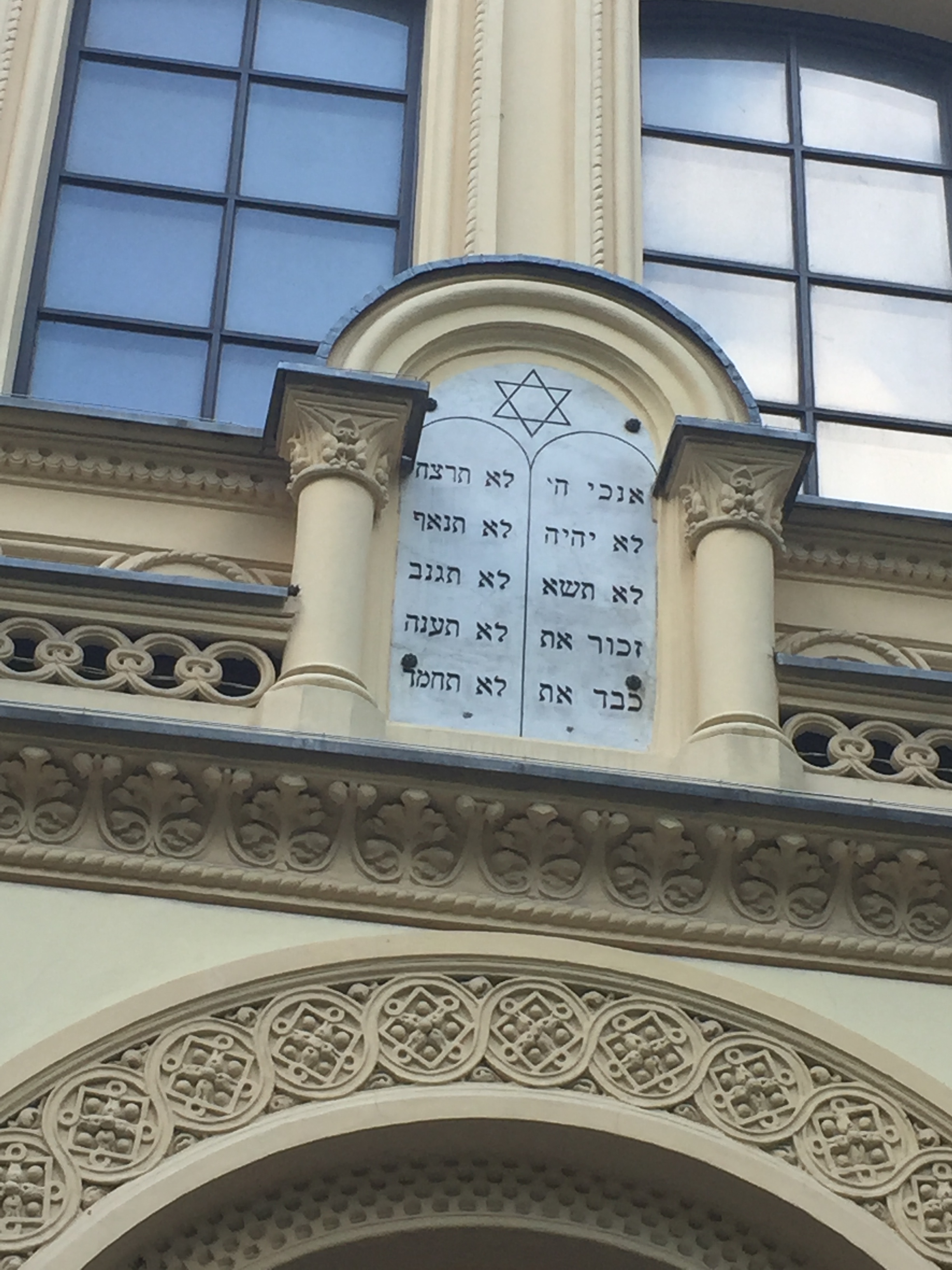
Some of us wash our hands near the cemetery walls before exiting and getting back into the bus. It is only a short drive from here to the synagogue, which the Germans used as stables and for storage, but which has reverted to the use of the Jewish community. Warsaw’s original Orthodox synagogue, it seats about 350 people, and has a small but active congregation today. Unfortunately, we are unable to go inside, but we do pause to admire its architecture, and the architecture of the nearby All Saints Church.
We do not go to the church, but it too was once within the ghetto, and serviced those Christians whose parents or whose grandparents had been Jews. They faced a double occlusion, these poor people. Treated with mistrust by the Jews amongst whom they had been thrust, and treated as Jews by the German administrators of the ghetto, they turned to one another and to their faith for solace. They too lie beneath the ground in Warsaw’s Jewish cemetery. There is no division in death.
Photograph: Simon Holloway
Photograph: Simon Holloway
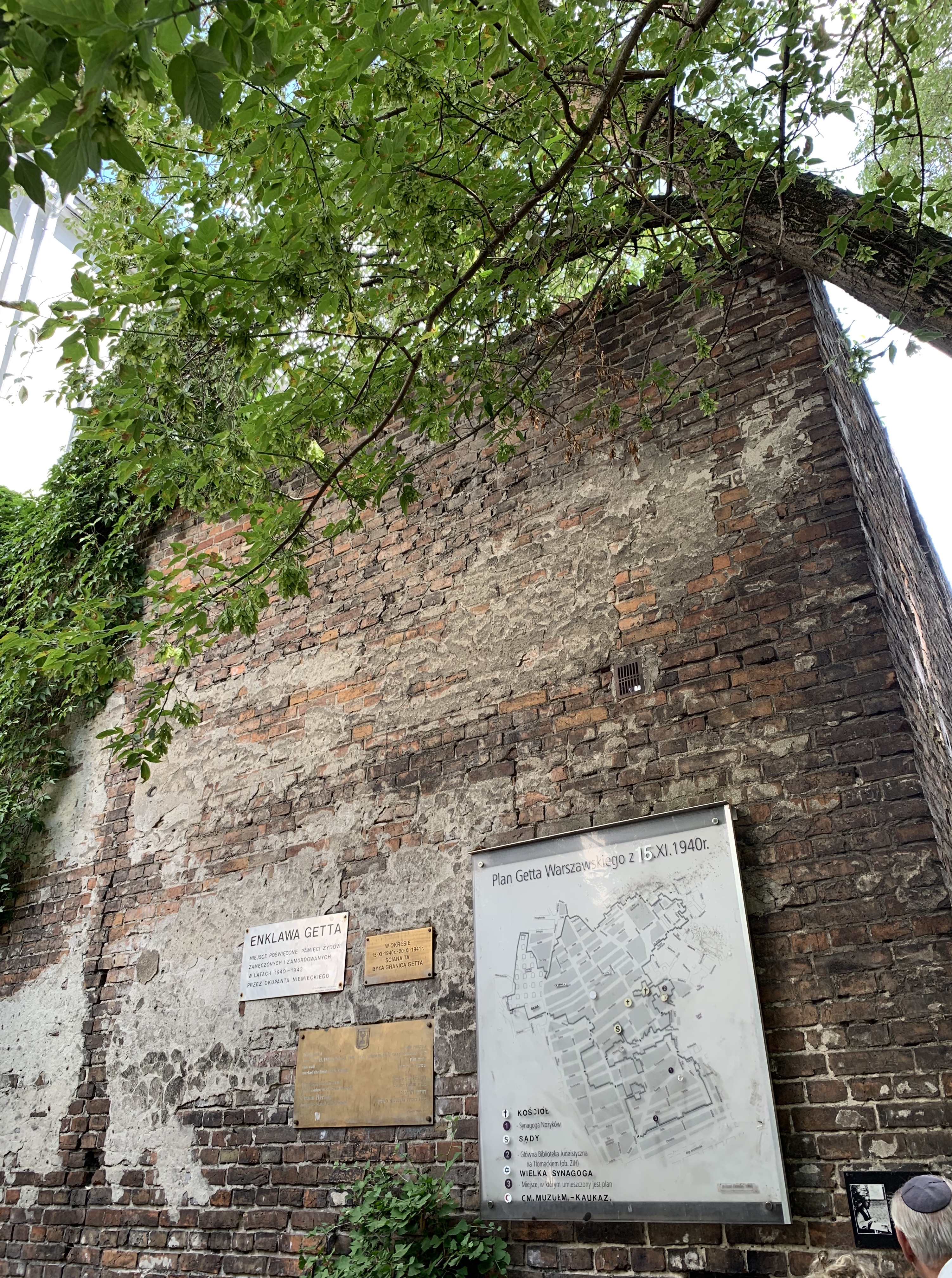
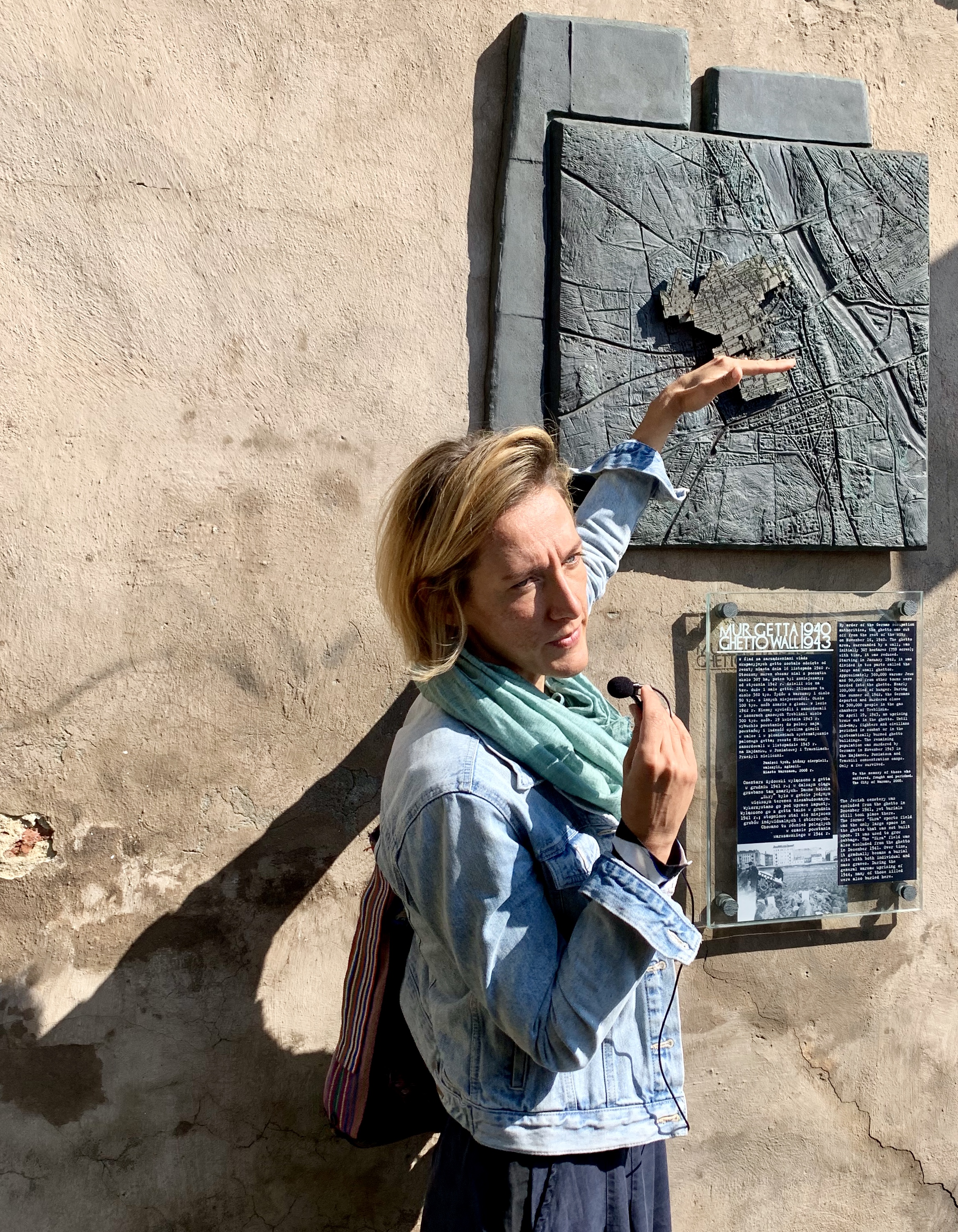
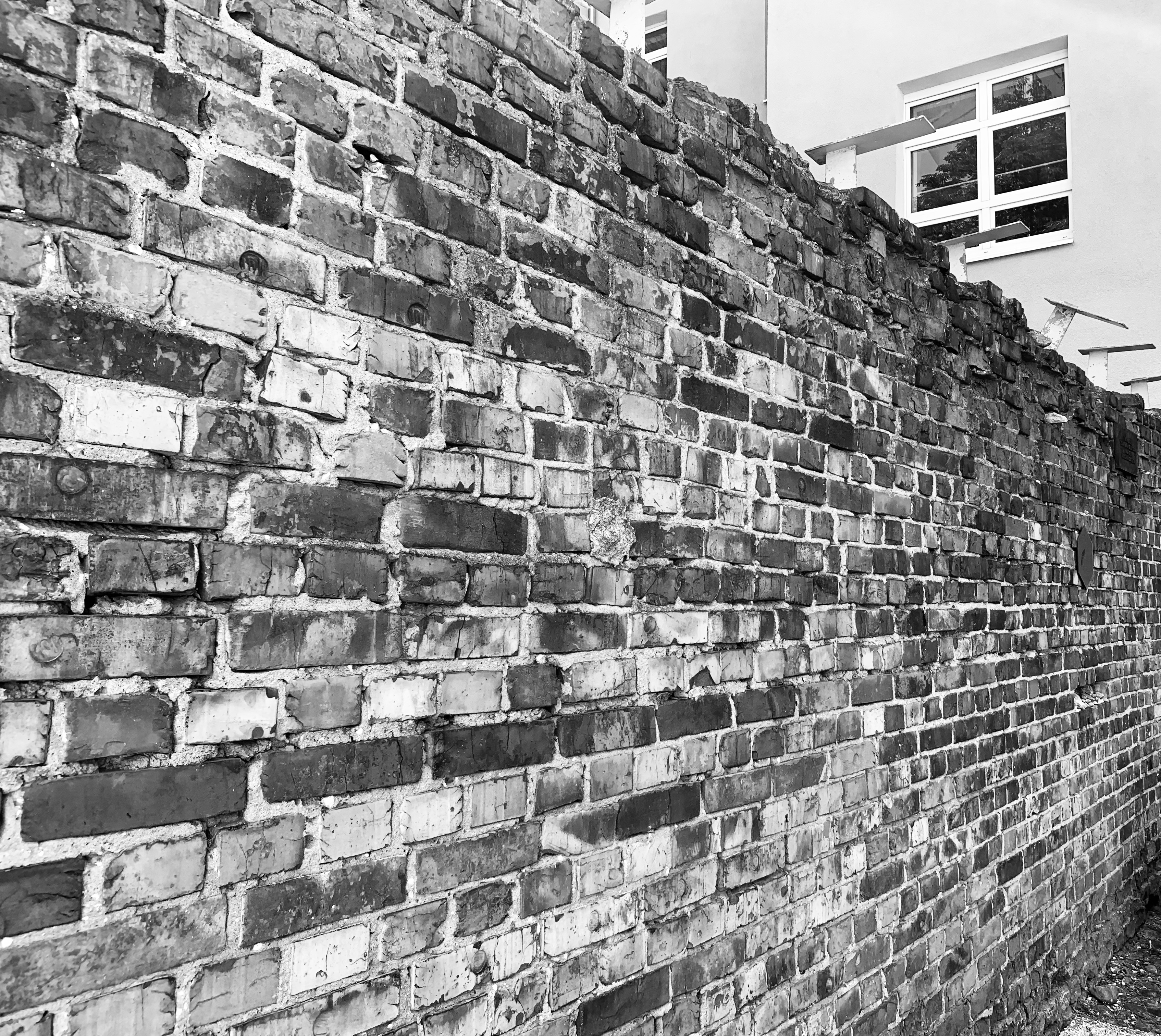
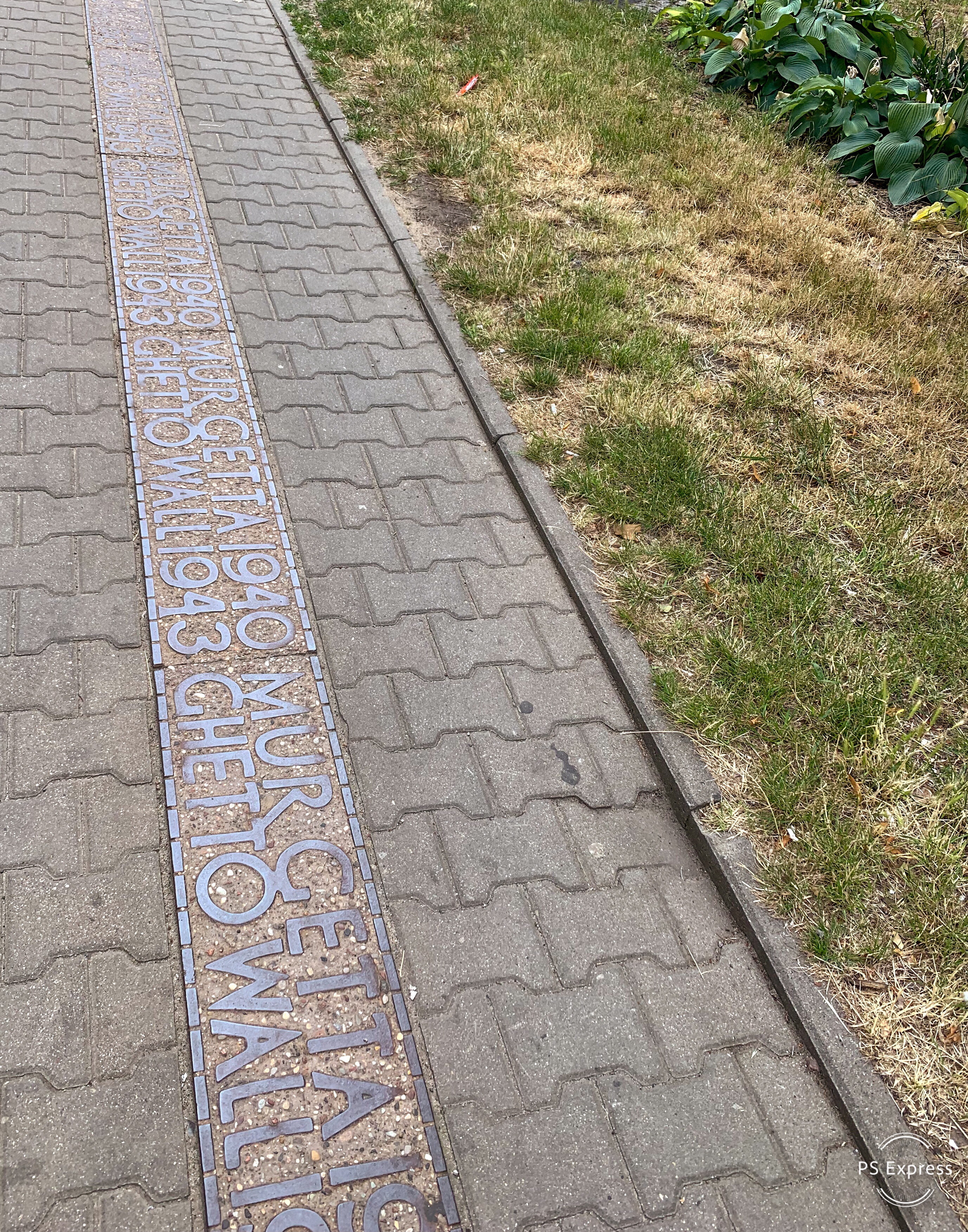
It has been a long morning, but before we break for lunch we pay a visit to the Jewish Historical Institute. Along the way, we stop briefly at one of three remaining segments of the Warsaw Ghetto wall, and the only segment not a part of an adjoining building. Standing in isolation from its surrounds, it mutely testifies to the fortress that had once existed in the heart of this city, and like so many memorials in Warsaw, to the people who are no more.
Photograph: Howard Wolfers
Photograph: Howard Wolfers
Photograph: Howard Wolfers
Photograph: Howard Wolfers
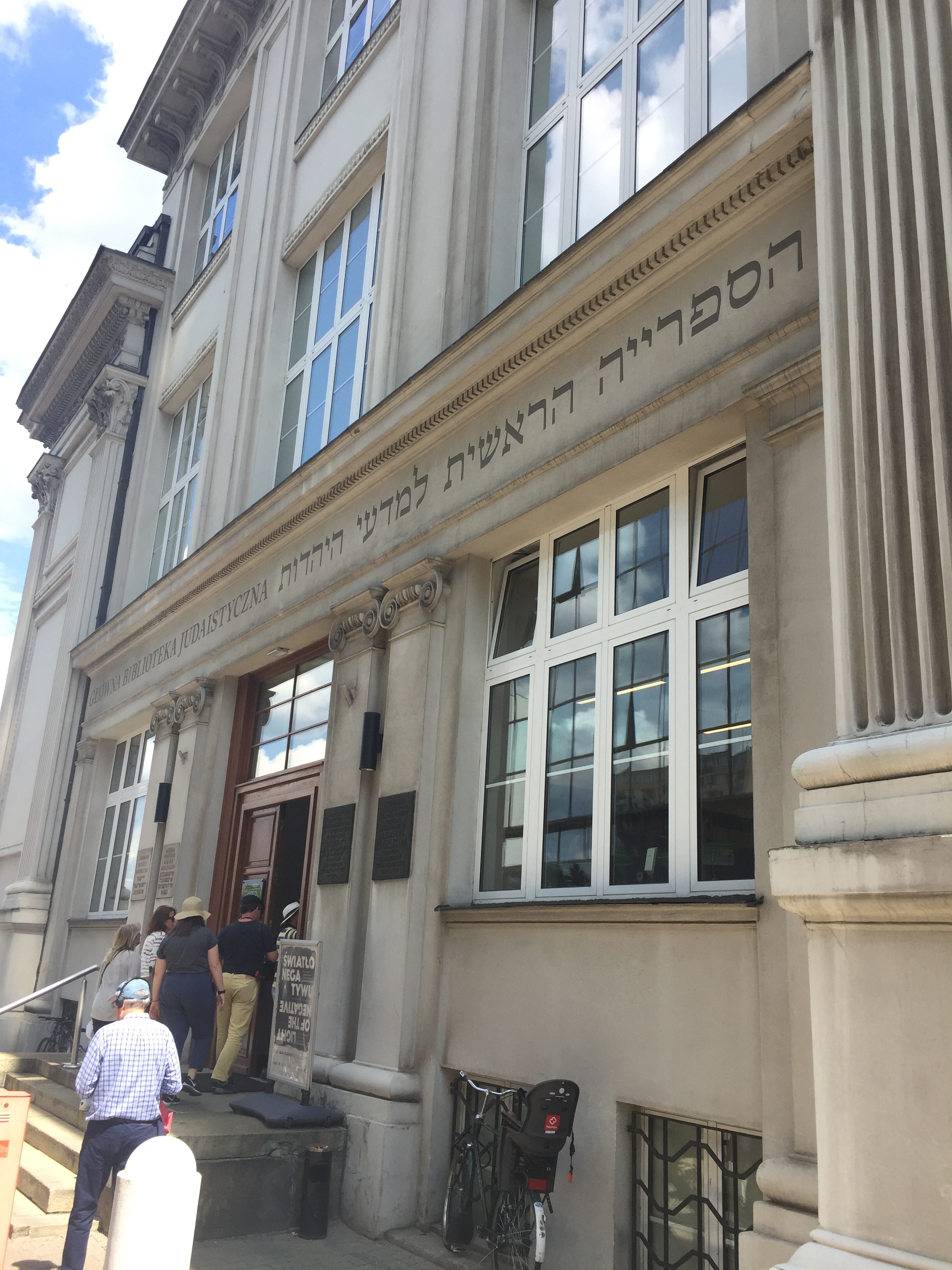
The highlight for many of us was to follow, as we walked across a park and into the Jewish Historical Institute, which had been established in 1936 as the intellectual wing to a modern, Polish Judaism, of which the nearby Reform Synagogue (demolished by the Nazis after the uprising) was to serve as the spiritual. During the years in which the ghetto was operational, this institute was the headquarters of the Jewish Self-Help agency (the Aleynhilf), and it was here that the historian, Emanuel Ringelblum, was so active.
Photograph: Simon Holloway
Photograph: Howard Wolfers
Ringleblum was a proponent of a new historiography, and one that sought to elevate the experiences of “simple people”. Rather than focusing on the lives of kings and princes, rabbis and scholars, these new historians aimed to describe the lives of women and of children, of merchants and of peasants. Who were the Jewish people, and what will future generations know of them?
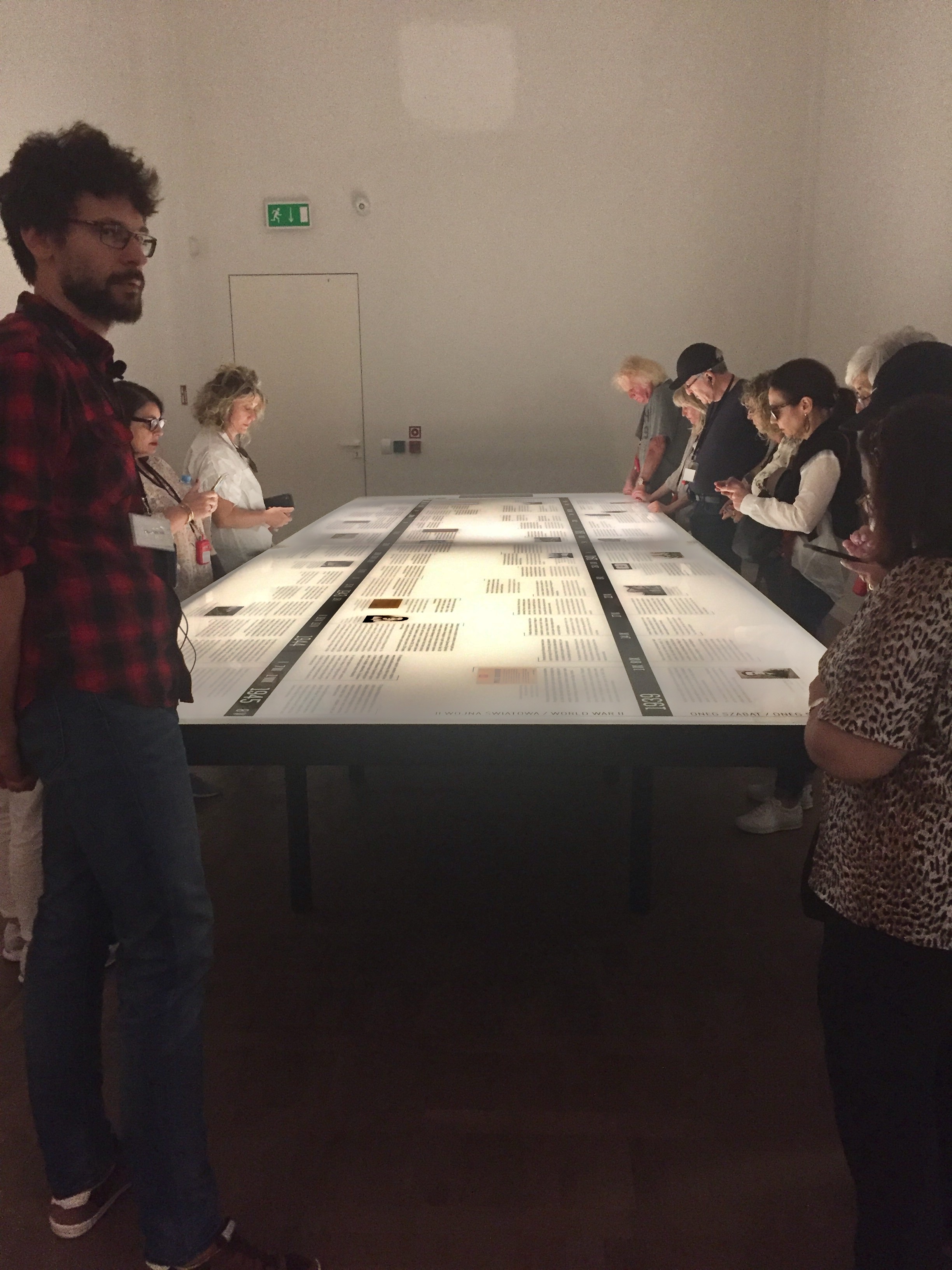
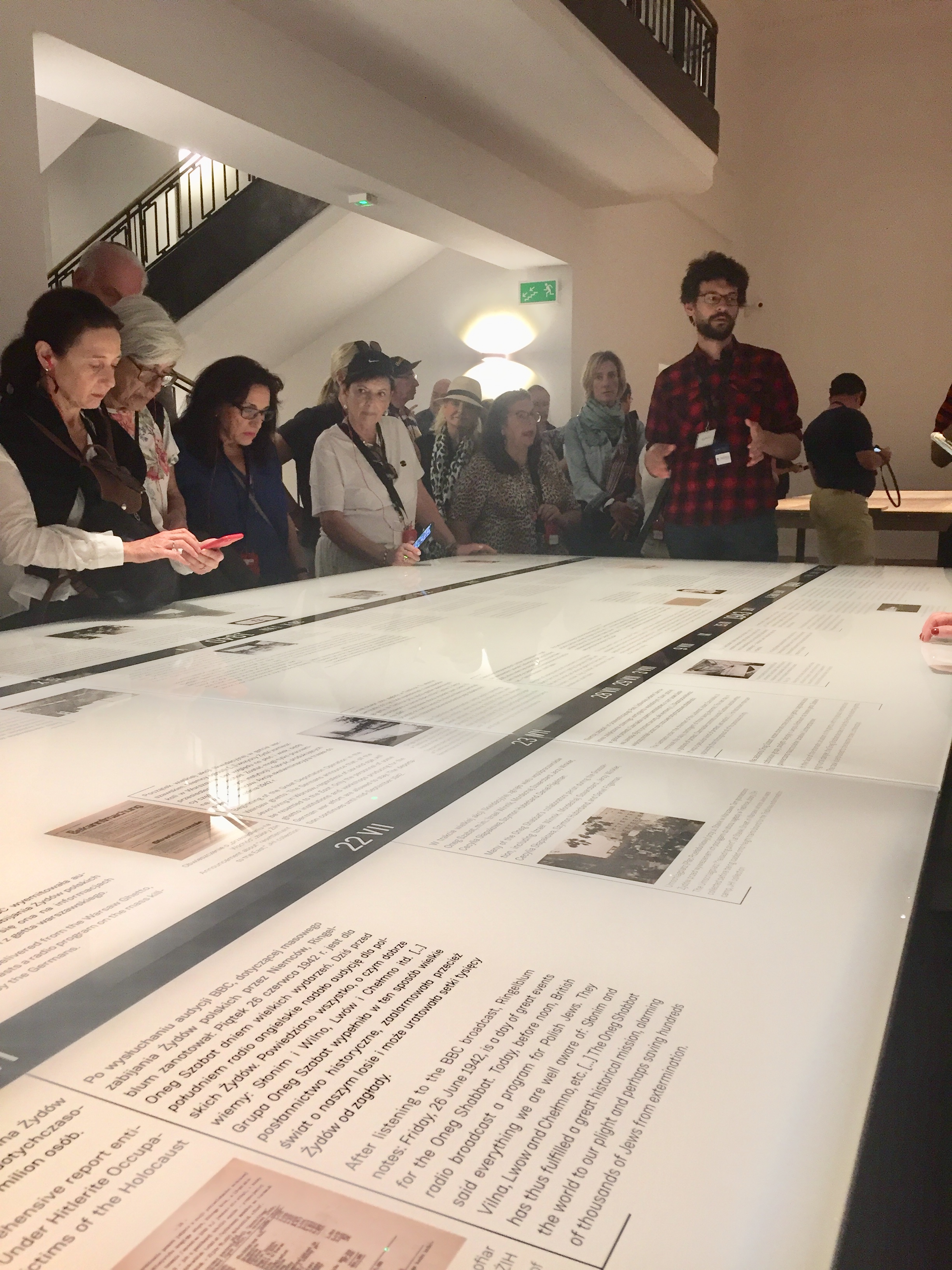
In the ghetto, these questions assumed paramount importance. As our guide, Bartak, explained to us, the information being recorded within the ghetto was being recorded by German sources. German film crews were coming to the ghetto to make propaganda, filming staged scenes that aimed to highlight the lack of Jewish moral sensibilities, and to showcase how a parasite behaves once it is removed from its host. The question of who gets to write the history of the Jewish people inspired Ringelblum to form a secret society – at first, made up of historians, demographers and scholars of various stripes, and later accepting contributions from anybody who was prepared to share their experiences.
This archive was codenamed Oyneg Shabbes (the Joy of Shabbat), for the penalty for collecting documentation on German crimes was death. It features essays by economists, by educators and by medical practitioners, as well as personal ruminations (not to mention poetry, short fiction and illustrations) from people wishing to record their sentiments for posterity. Originally planned as a means of servicing the authors themselves, after the war, it rapidly came to be seen as an archive for a future generation. They, of course, did not expect to live.
Of the untold number of people who contributed to this archive (we only know the names of some thirty-five), the number of survivors was three. As it was only one of those three who knew where the archive was buried, the story of its recovery is no less remarkable than the story of its contents.
Photograph: Simon Holloway
Photograph: Simon Holloway
Photograph: Simon Holloway
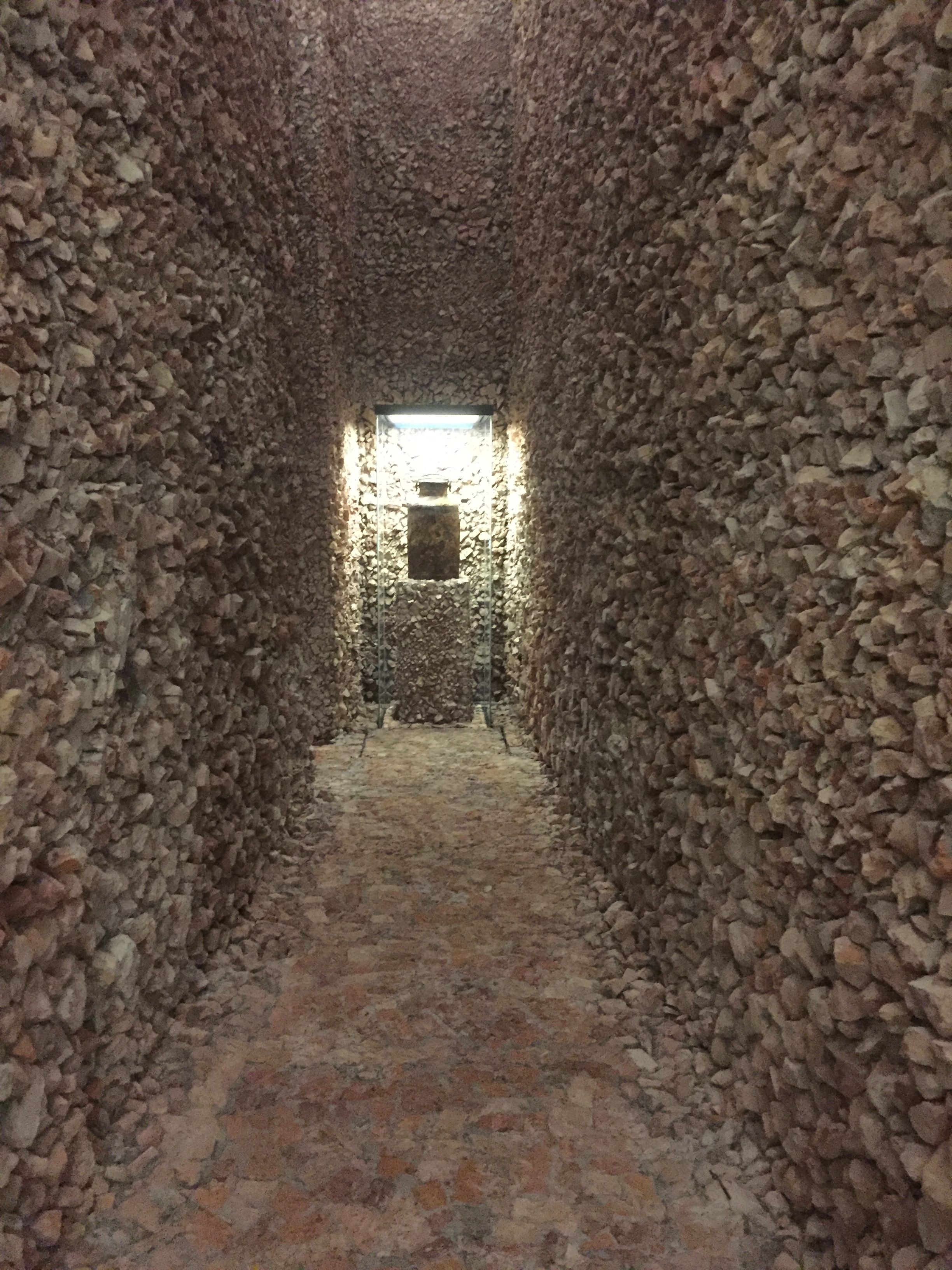
Like pilgrims to a mediaeval cathedral, we all crowd around the relic: a metal canister in which some of the documents were discovered. There was a second such canister, and three metal boxes, bound with rope, into which some water had already seeped. Had these items not been discovered when they were, it is likely that they would have been lost forever. Truly, one cannot imagine how it must have felt to Hersh Wasser, his wife Bluma, or to Rokhl Auerbach (the three surviving members of the archive) to have recovered these documents and to have delivered them to the world.
Photograph: Simon Holloway
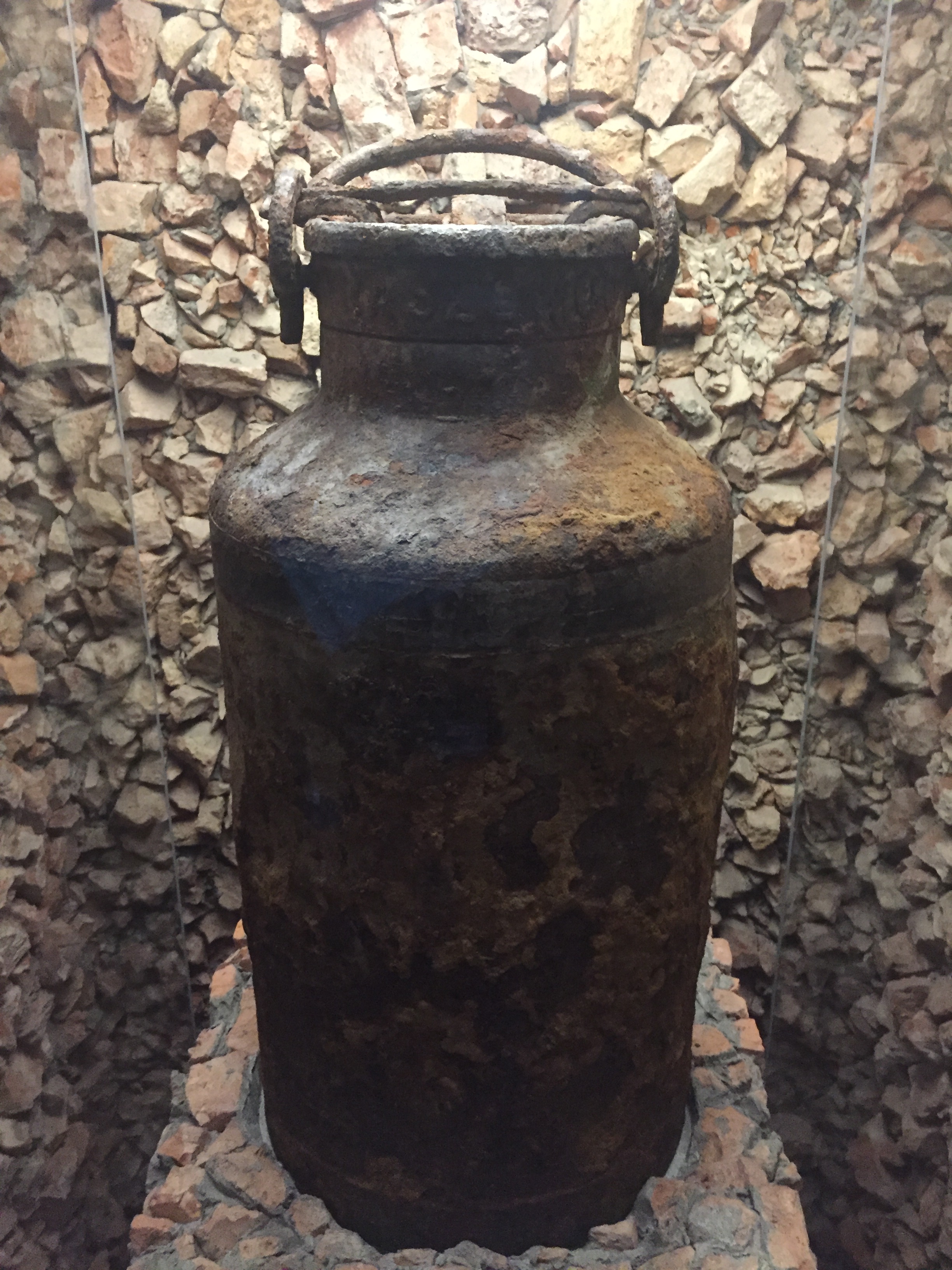
Photograph: Simon Holloway
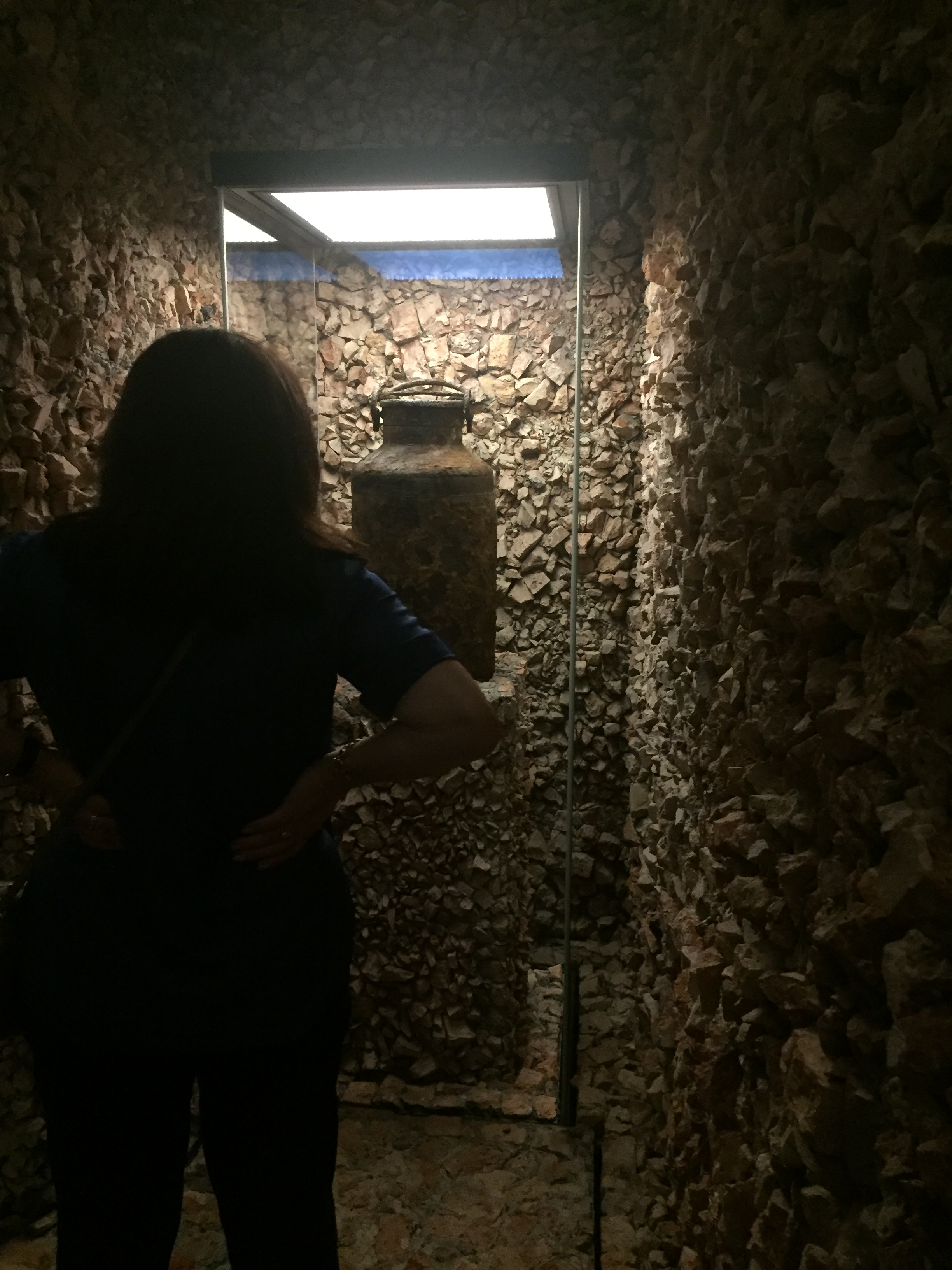
Photograph: Simon Holloway
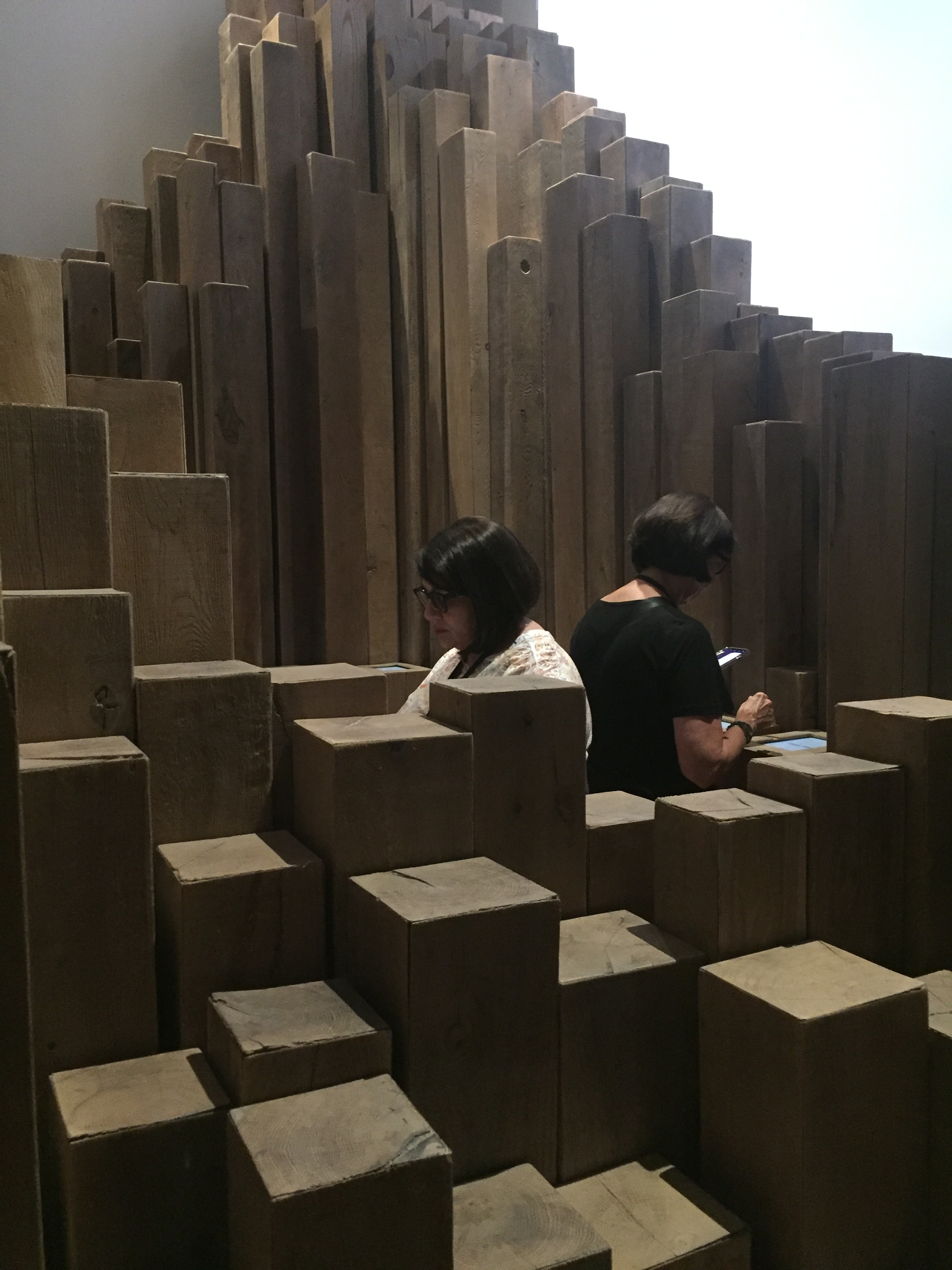
Photograph: Simon Holloway
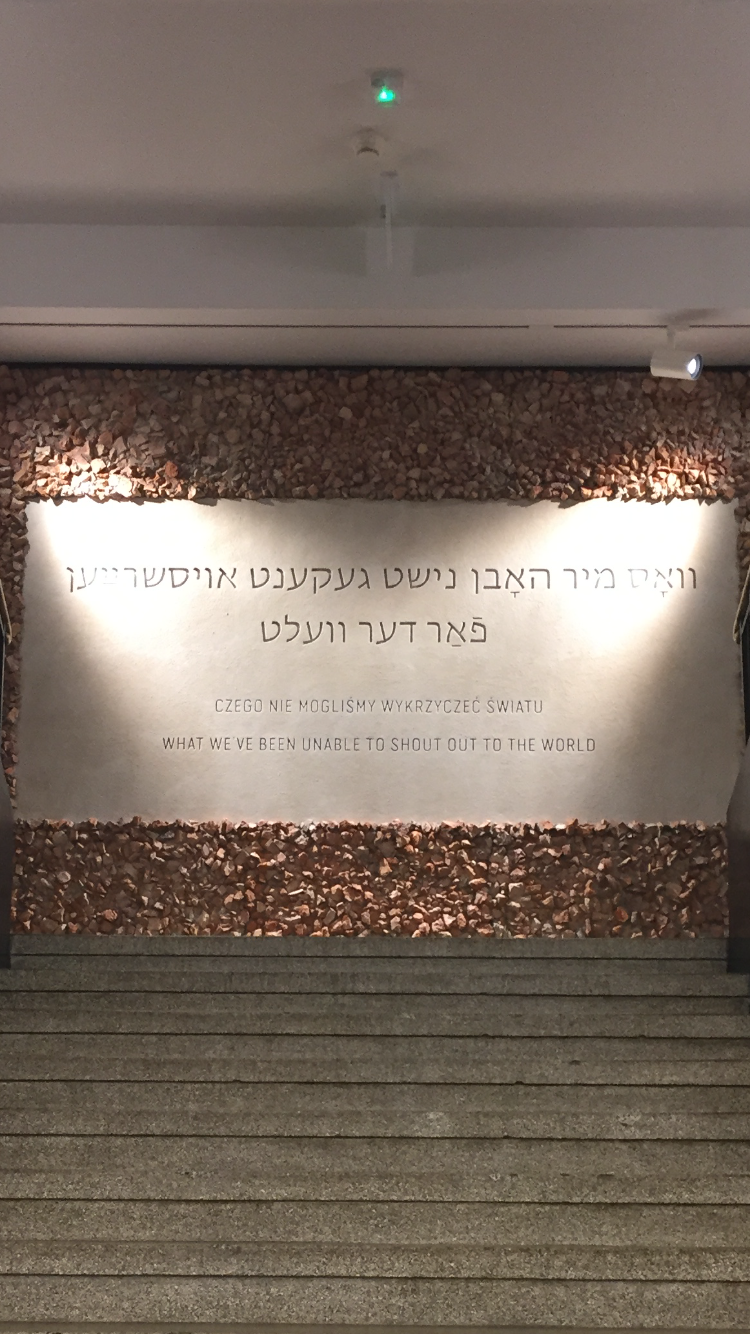
Sections from the buried testimony line the walls, one of which has given this exhibit its name: “What we were unable to cry and shriek out to the world we buried in the ground” (Dawid Graber, aged 19). Another contributor, Izrael Lichtensztajn, writes, “I want my little daughter to be remembered”. Nachum Grzywacz, 18 years of age, concludes his brief testimony with the chilling words: “I don’t know what’s going to happen to me. Remember, my name is Nachum Grzywacz.”
Most poignant, to my mind, are the words of Gustawa Jarecka, who was likely murdered in January of 1943. Titled, “The Last Stage of Deportation is Death”, she writes candidly and furiously of the fear between roundups, and of the numbing immobility experienced during them. “We carry a noose around our necks,” she writes, “and when it relaxes a little we let out a scream.”
Today, all 35,000 pages from the archive have been scanned and are available from the Central Jewish Library of the Jewish Historical Institute. They are also being published in a large collection of which some thirty-eight volumes have already been released. An English translation of these Polish, Yiddish and Hebrew documents is already underway, but for those who are interested, the poetry of the archive, scanned and with English translation, is available here, and the full catalogue of the archive contents is available in PDF, here.
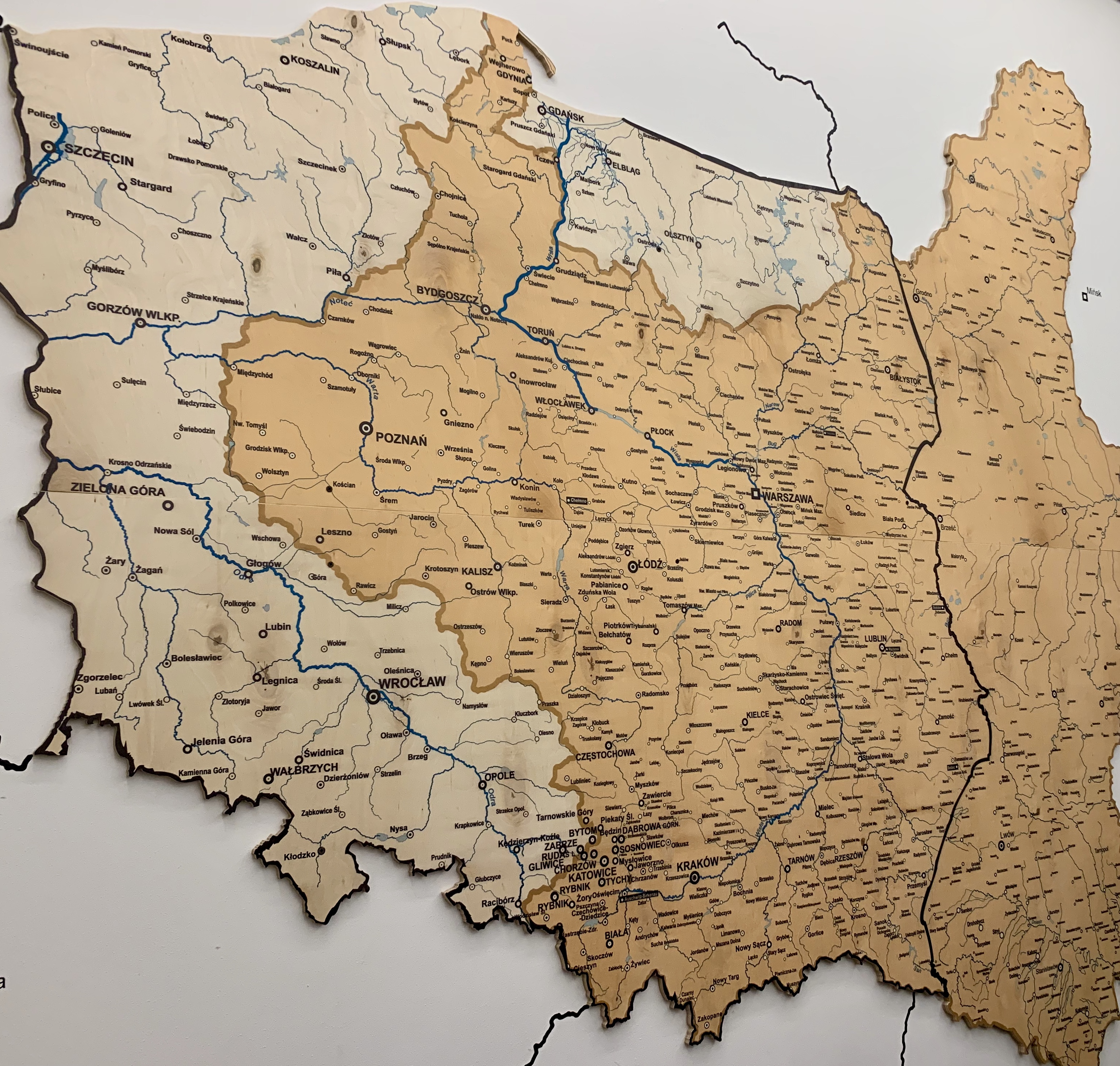
From the institute, we make our way back to where we started: to the building facing the square in which the Monument to the Ghetto Heroes is displayed. The Polin Museum, it was built in 2013, having been inspired by the opening of the United States Holocaust Memorial Museum (USHMM) in 1993, and was first opened to the public in 2014. In the years since then, it has had roughly three million visitors (the approximate number of Jews who lived in Poland before the war), and was voted best museum in Europe three years ago.
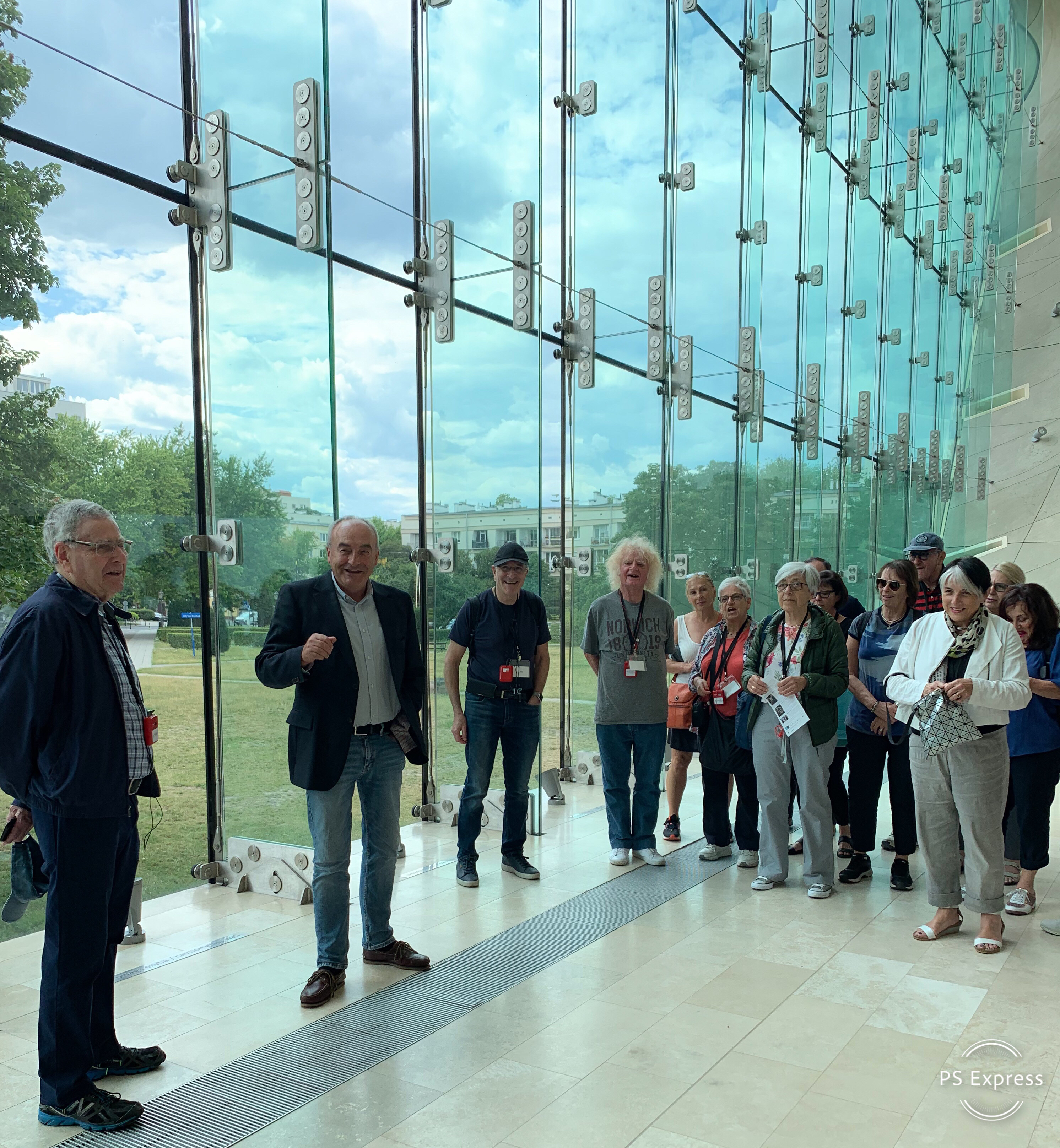
Photograph: Howard Wolfers
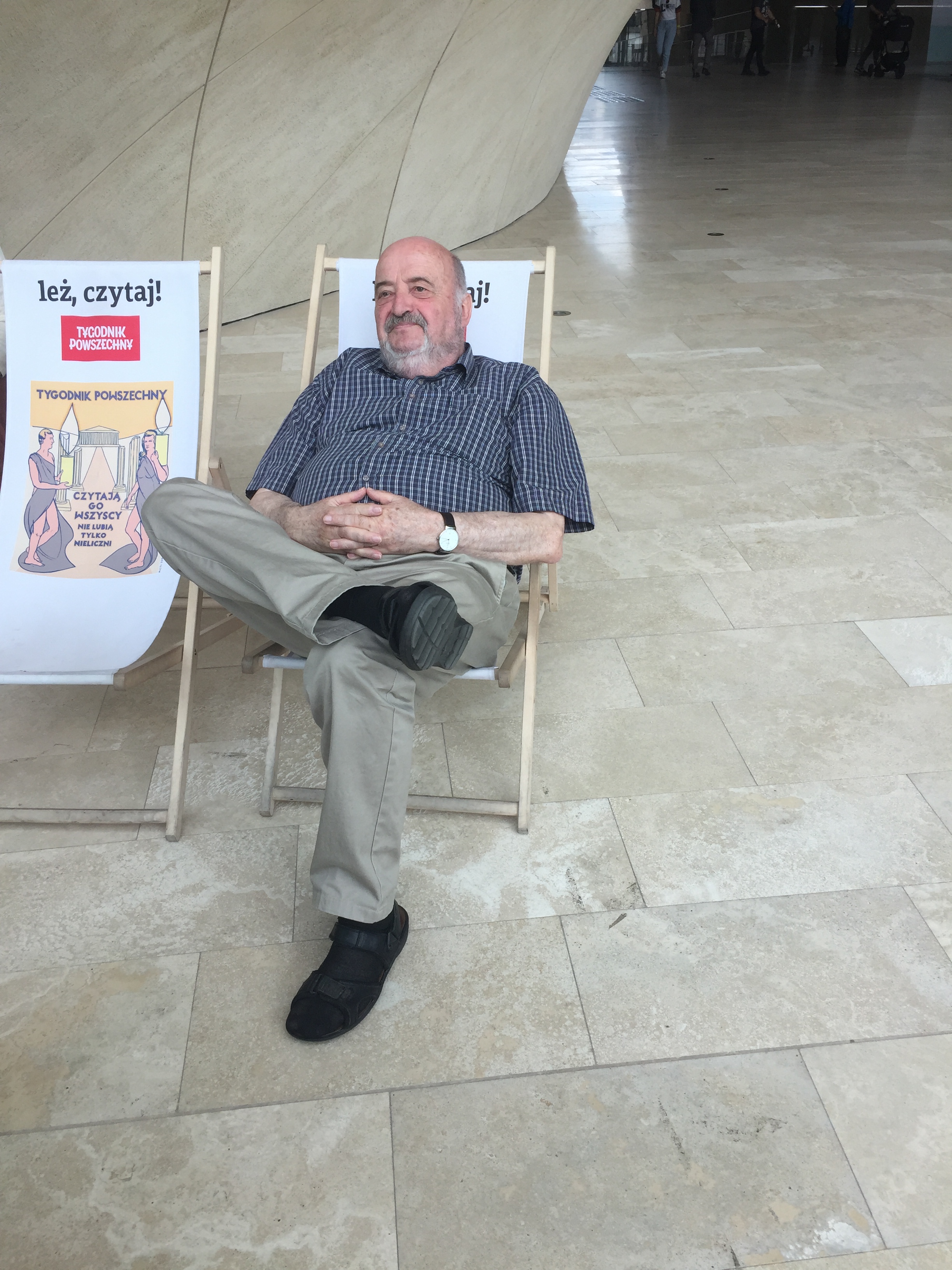
Photograph: Simon Holloway
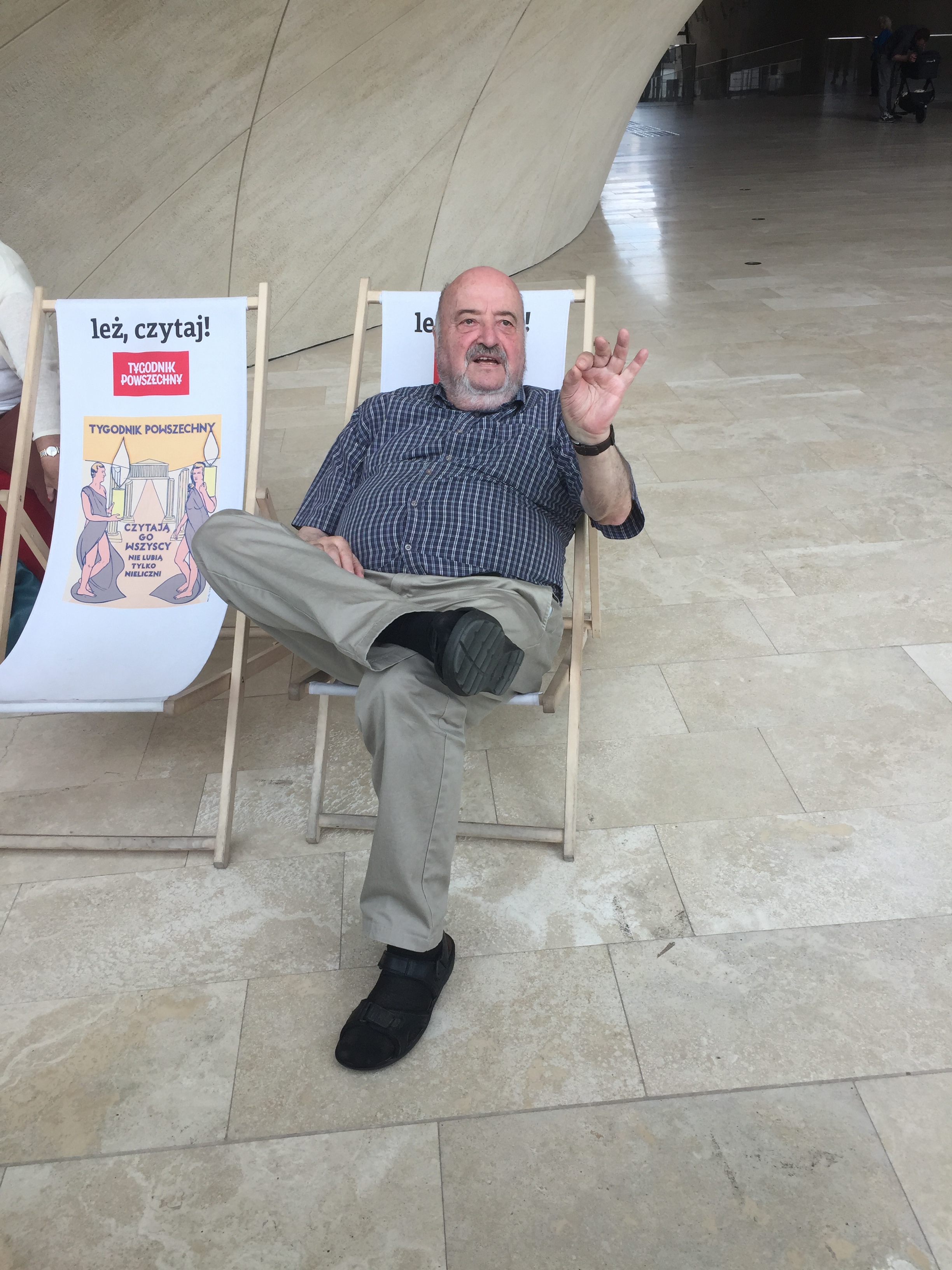
Photograph: Simon Holloway
It is an impressive building. Architecturally, it may be reminiscent of the parting of the sea in the book of Exodus (its placement such that when one views the procession of Jews on the eastern side of Rappaport’s monument, they look like they are walking towards salvation), and with its colouring like that of Jerusalem stone, perhaps of the topography of the land of Israel.
Bridges, we are told, are a symbolic feature of the architecture, the designer’s aim being to build bridges between different communities, but the large and open space in the foyer is to remind us of that which was destroyed. Turning around, our guide informs us that the greenery behind the museum is to symbolise hope, and to remind us that the Holocaust did not terminate Jewish life in Poland. It is not my place to say this, but I think he is wrong.
I have a bias that I am not ashamed to admit. If Warsaw only sports three functioning synagogues (one of which is Chabad, and which caters to tourists), then I don’t buy this business about the restoration of Jewish life. A city that has no eruv, and whose pre-eminent Jewish museum offers a “kosher-friendly” menu (by which they simply mean: no pork), can hardly boast a thriving Jewish community. Perhaps I am being unfair, being forced to compare Warsaw to what it had been before the war, but I am getting tired of people telling me that things are different to how they so clearly look.
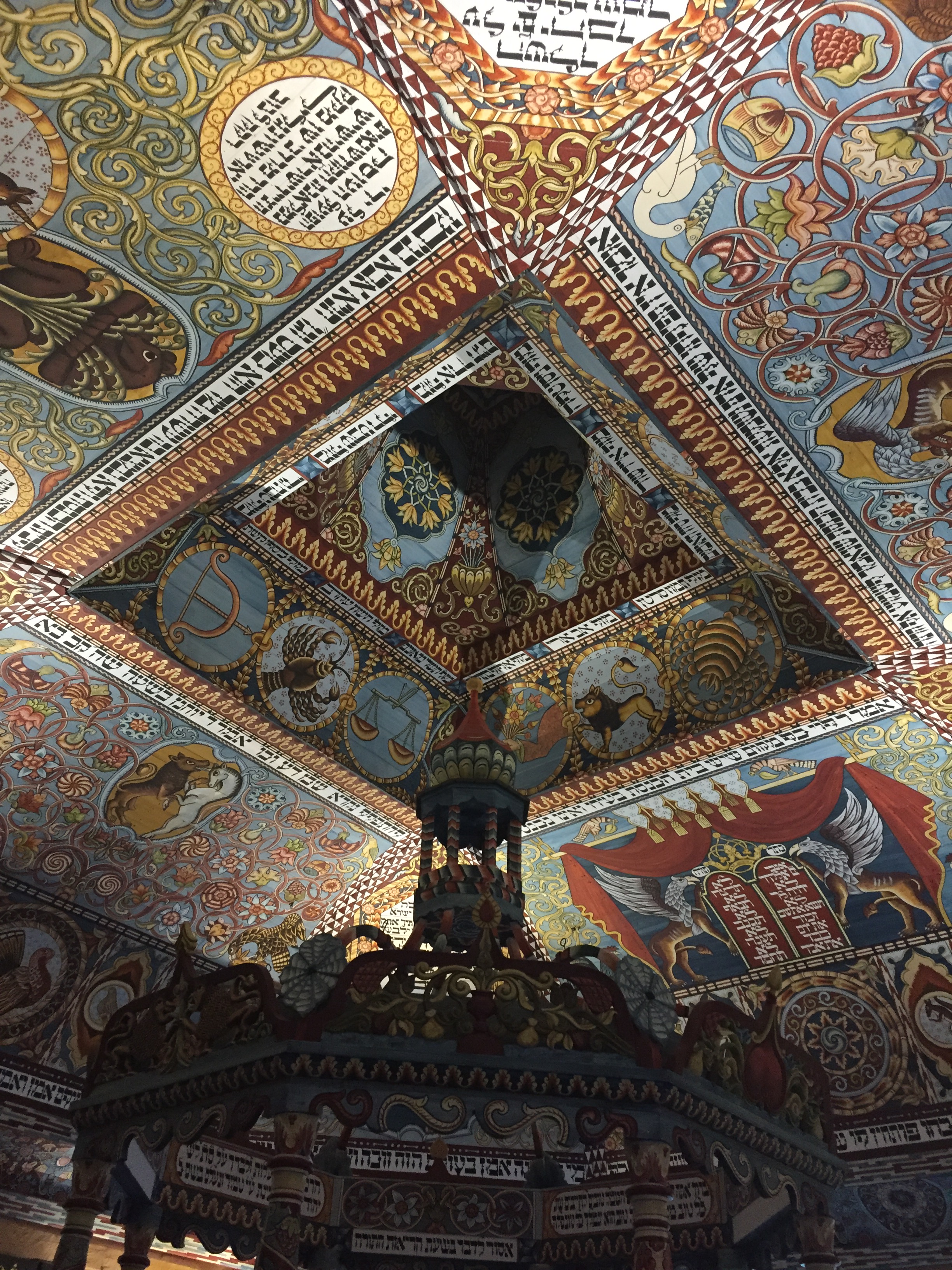
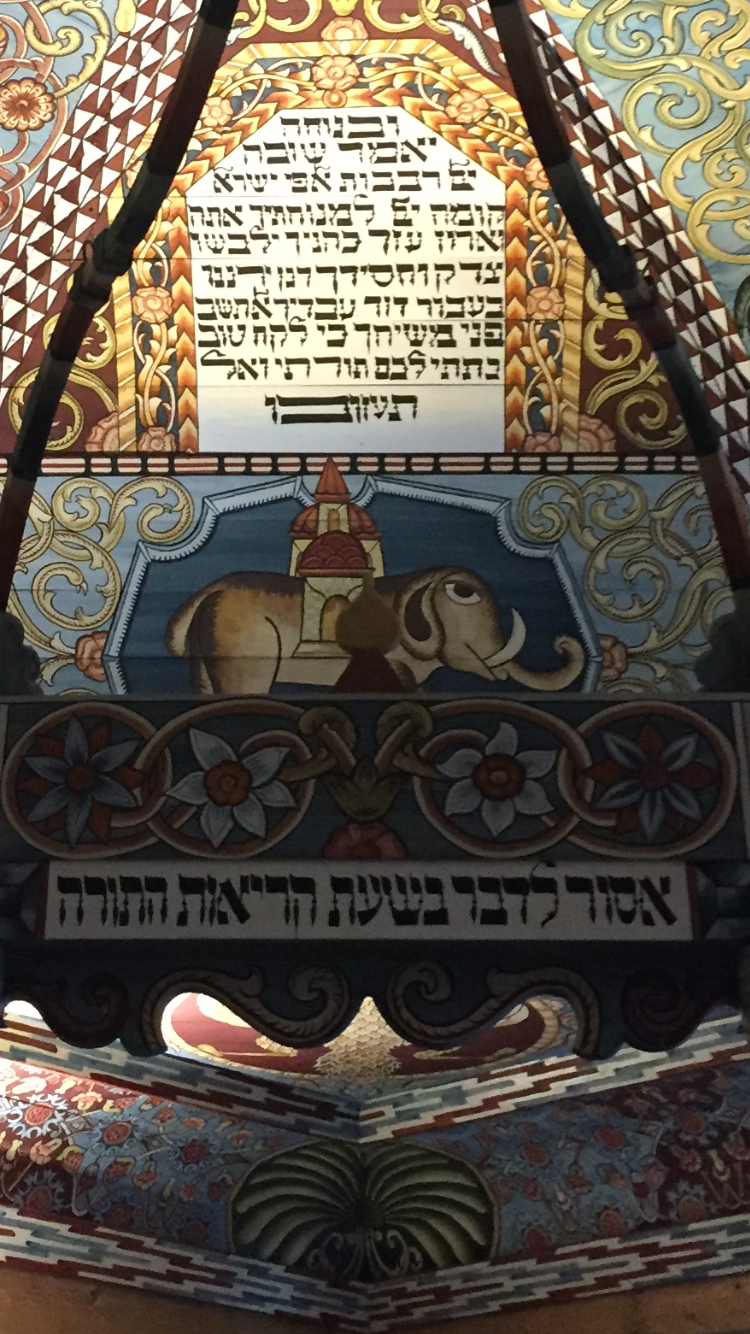
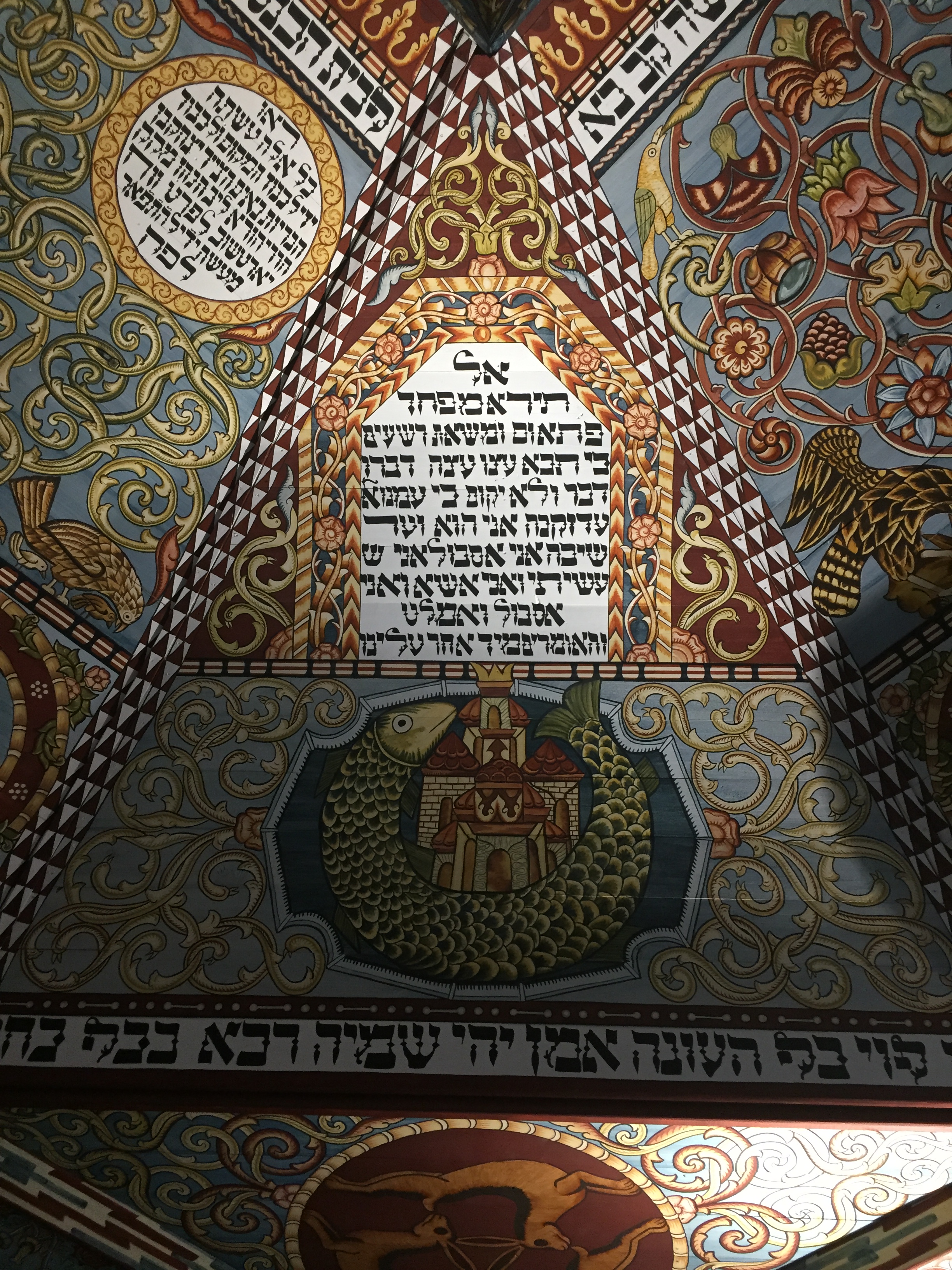
We are in two groups now, of course, and I am following the second of them. Our guide is Mariusz Jastrow, and his knowledge of Polish Jewish history is broad indeed. Most impressive, however, is just how comprehensive this museum is. Despite a relative paucity of objects, it bears witness to a thousand-year history of Polish-Jewish society that is at times inspiring, at others troubling, at times infuriating and at others simply sad.
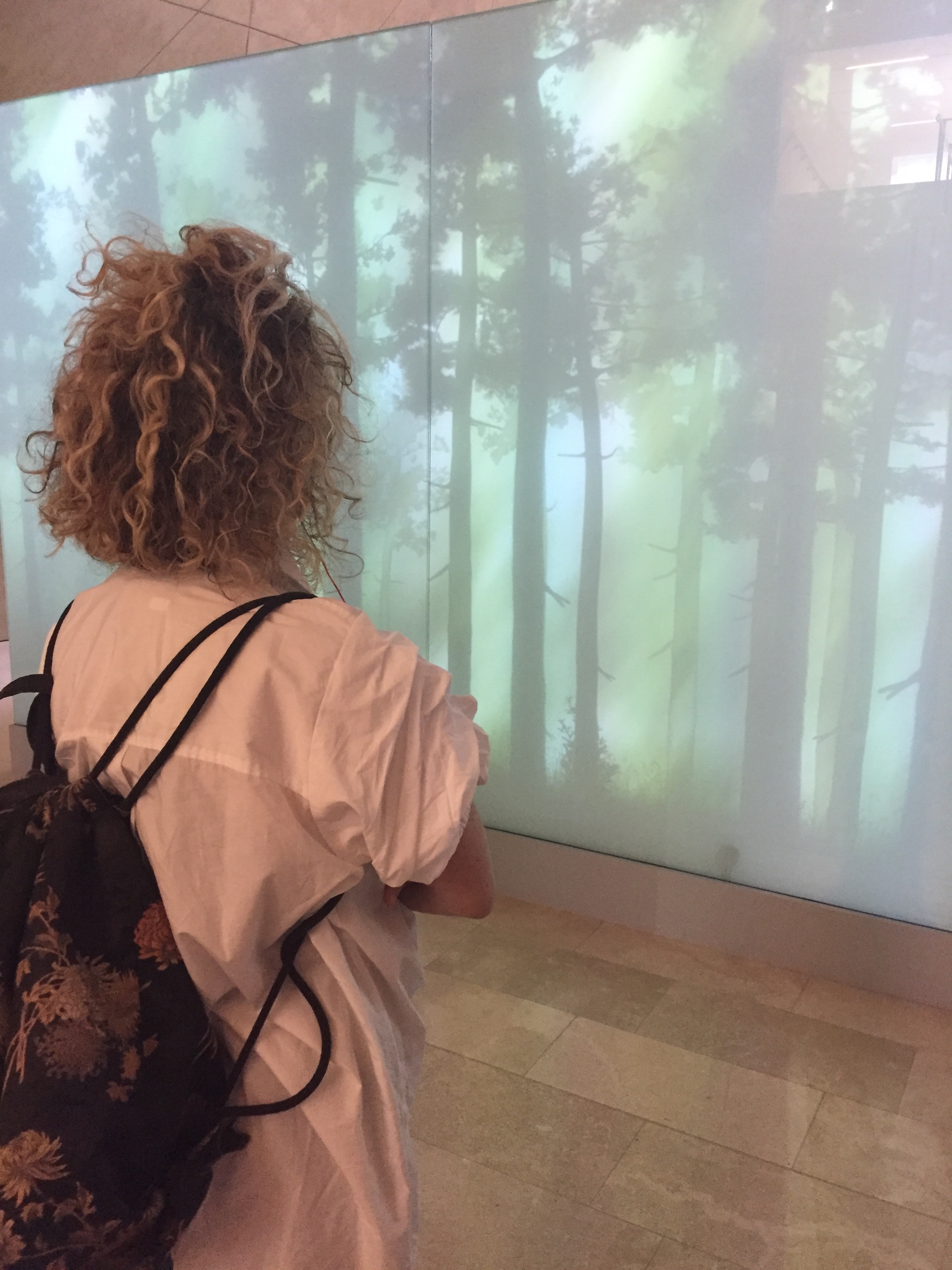
Photograph: Simon Holloway
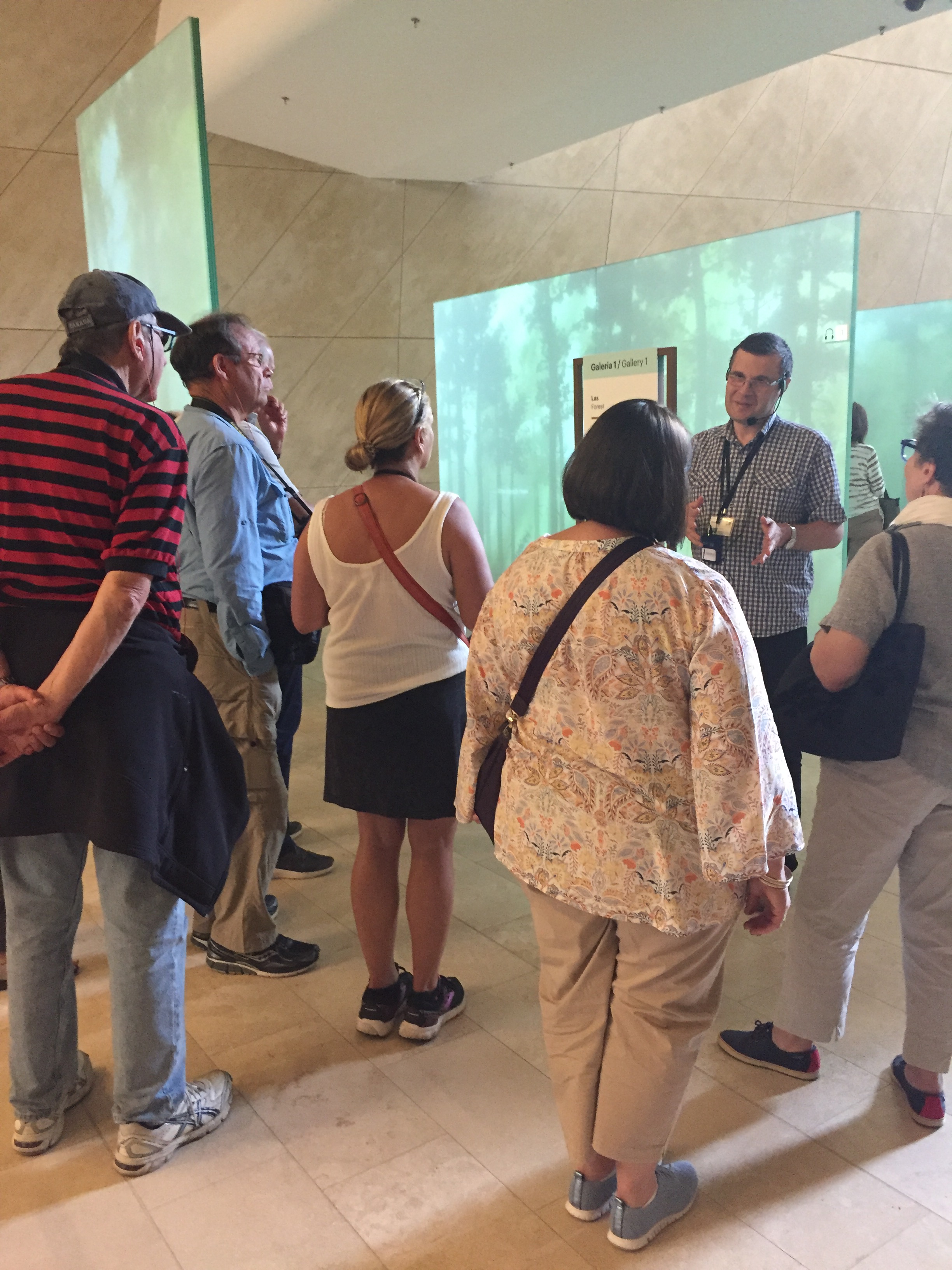
Photograph: Simon Holloway
Photograph: Simon Holloway
Photograph: Simon Holloway
Photograph: Simon Holloway
Photograph: Howard Wolfers
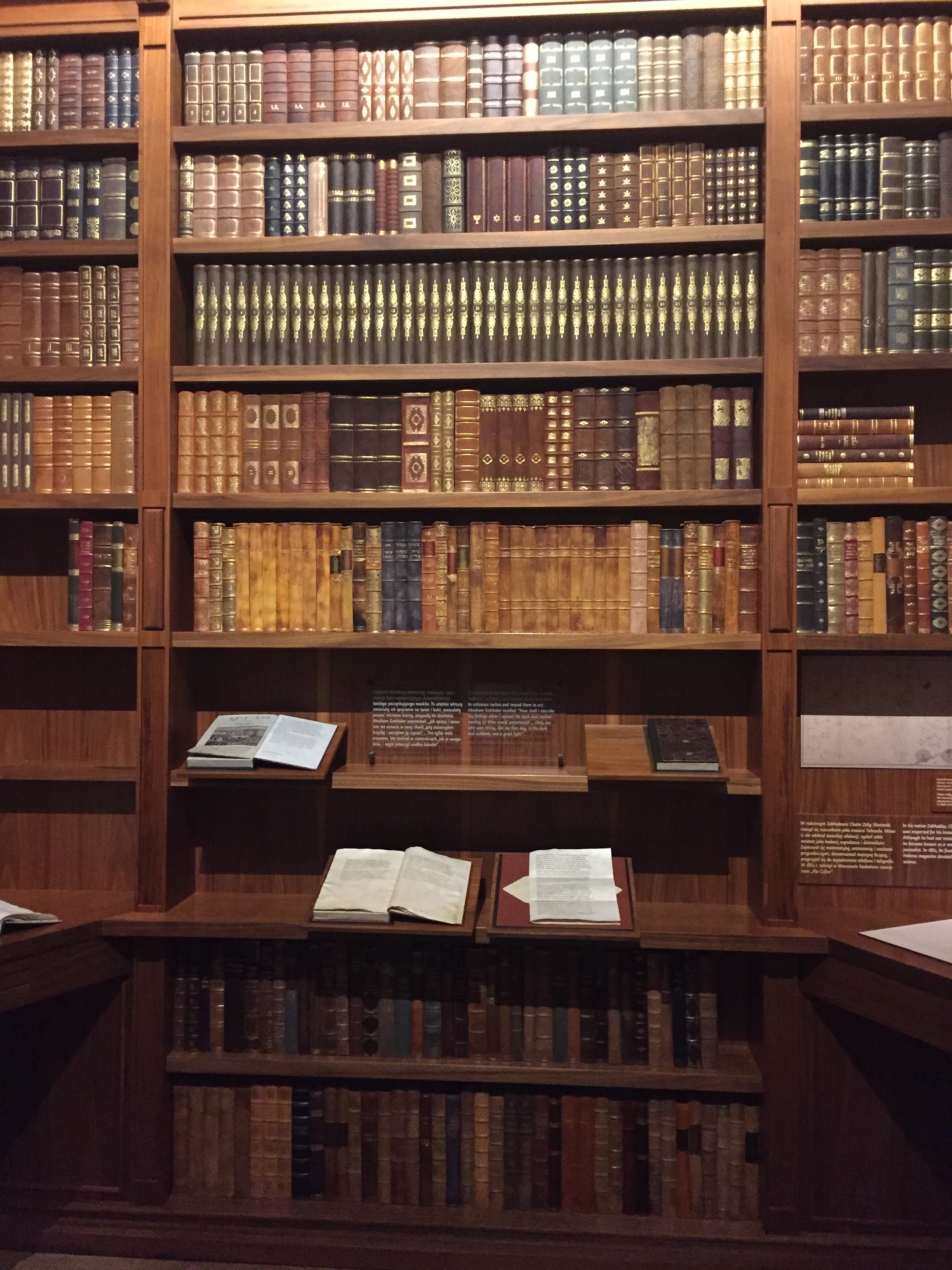
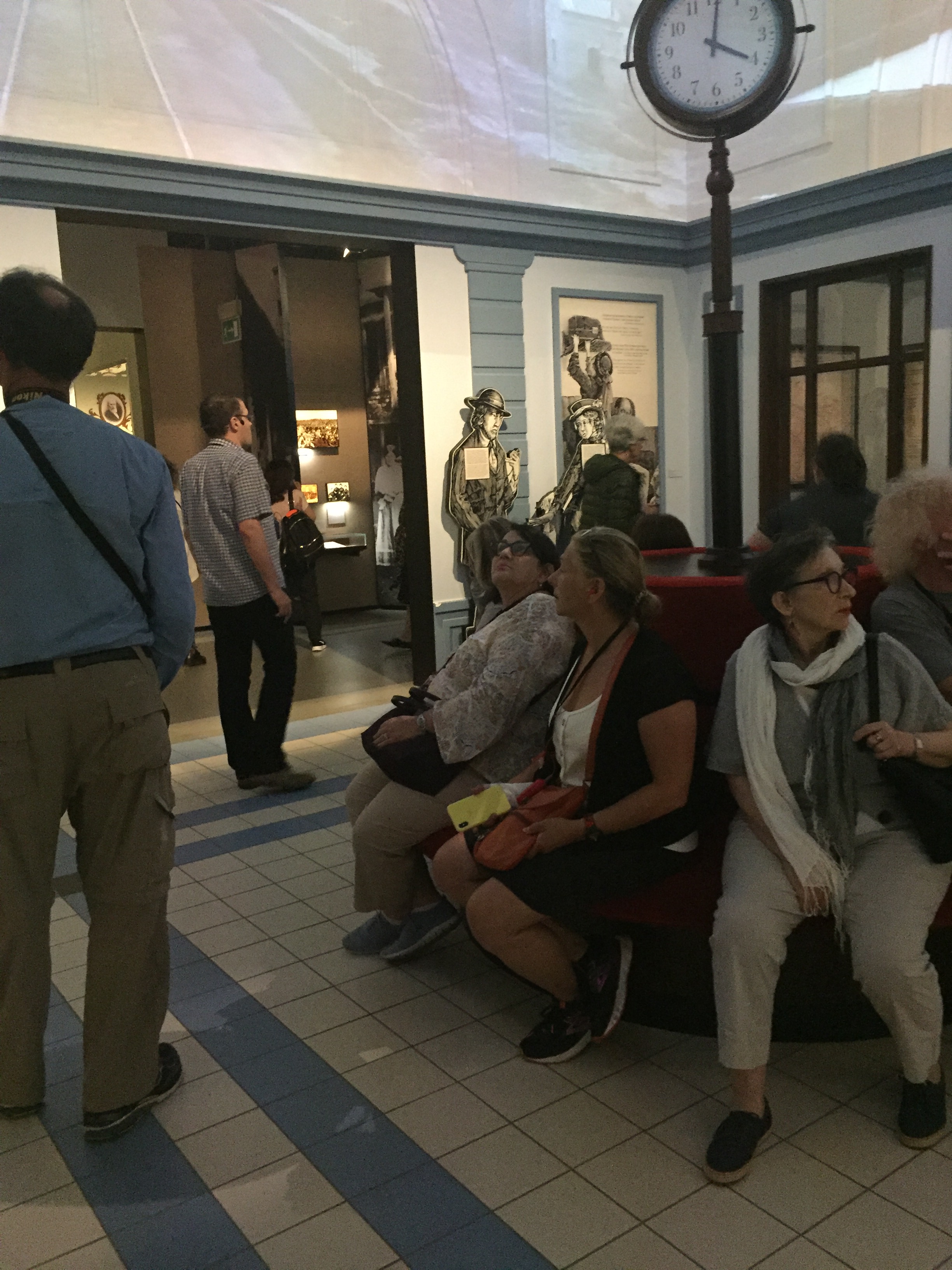
Photograph: Simon Holloway
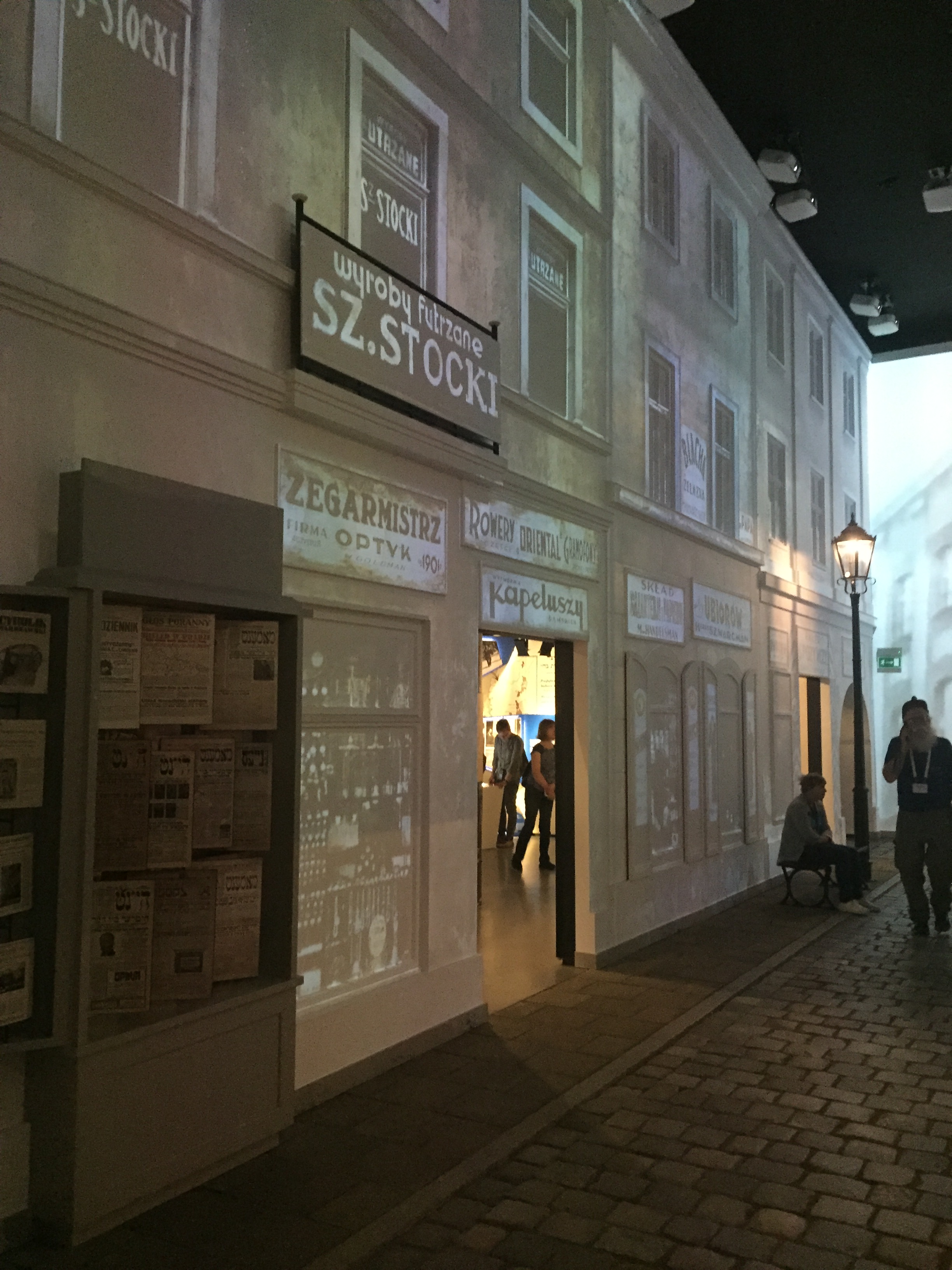
Photograph: Simon Holloway
Most impressive to me is just how interactive this museum is (although the technology can at times be a distraction). There is a printery, where visitors can impress a page with a mediaeval printer’s insignia. Nearby is David HaDarshan’s “dream yeshiva”, where visitors can sit at lecterns and engage with interactive manuscripts of the Talmud, the Zohar and of a rabbinic bible: a Tanakh replete with mediaeval rabbinic commentaries arranged around the page.
There is something terribly impressive about coming to Polin from the Jewish Historical Institute. This is exactly the type of history of which Ringelblum was a fierce proponent. A history of the people, at every level of their society, is so much richer and more profound than hagiographies of the pious and overviews of the institutions that they ran. Polin, of course, has both.
Perhaps most refreshing is the fact that we are finally given an opportunity to explore Polish antisemitism, and its inverse correlation to Polish education. As education declines, so rises all manner of ridiculous and absurd beliefs about their Jewish population, which would be funny were they not so incredibly tragic. The belief that Jews kidnap Christians for ritual bloodletting purposes is an ugly myth, and one that terrifyingly experiences a resurgence after the war itself. Personally, I was somewhat surprised at just how many towns had pogroms in the wake of the second world war, and how many pogroms were inspired by this nonsense.
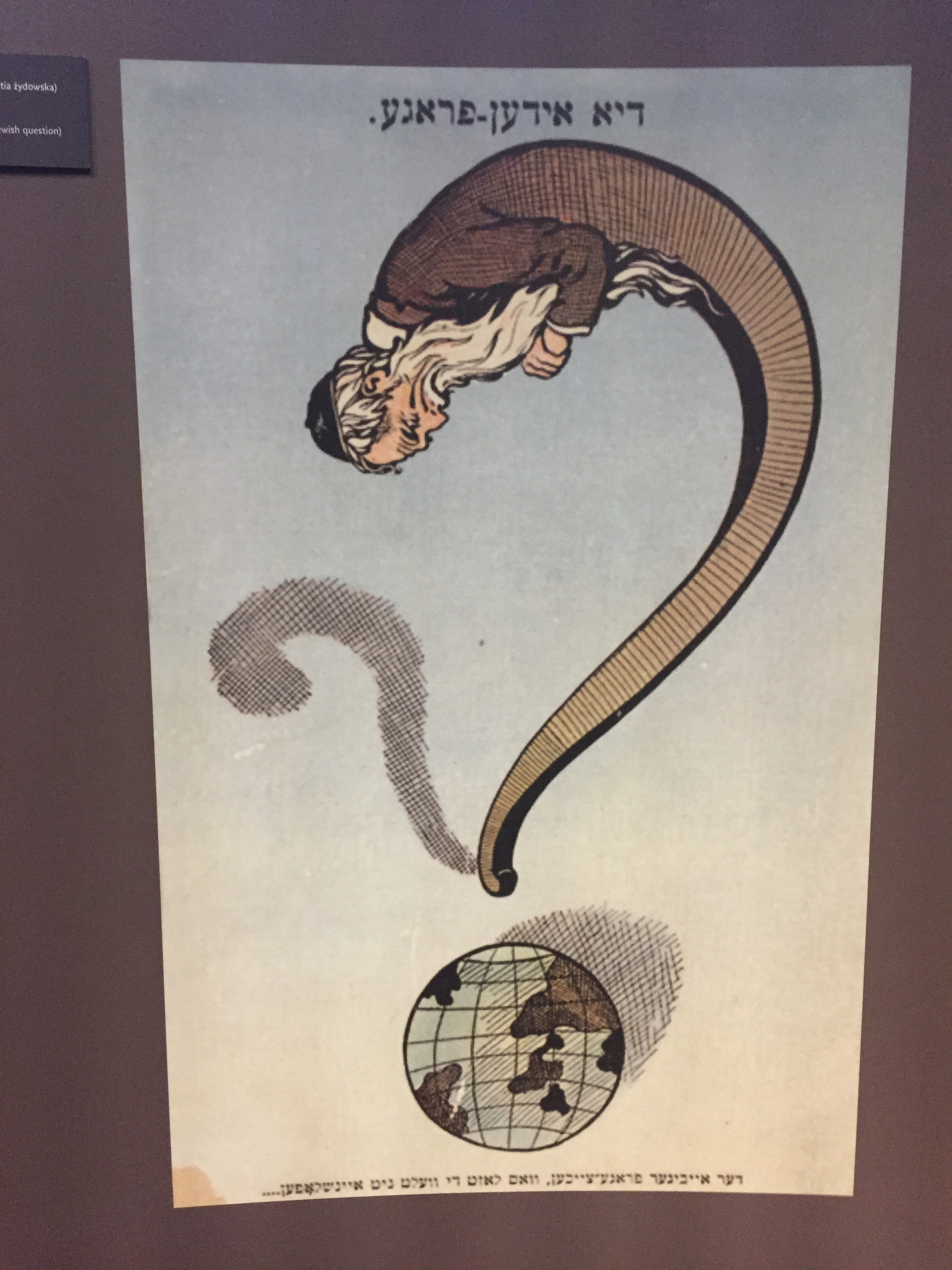
Photograph: Simon Holloway
I would need to go back to Polin to experience it properly. One might not say this often, but there is just too much information. Well before we had reached the end, I was exhausted and overwhelmed, and I think we all needed a break.
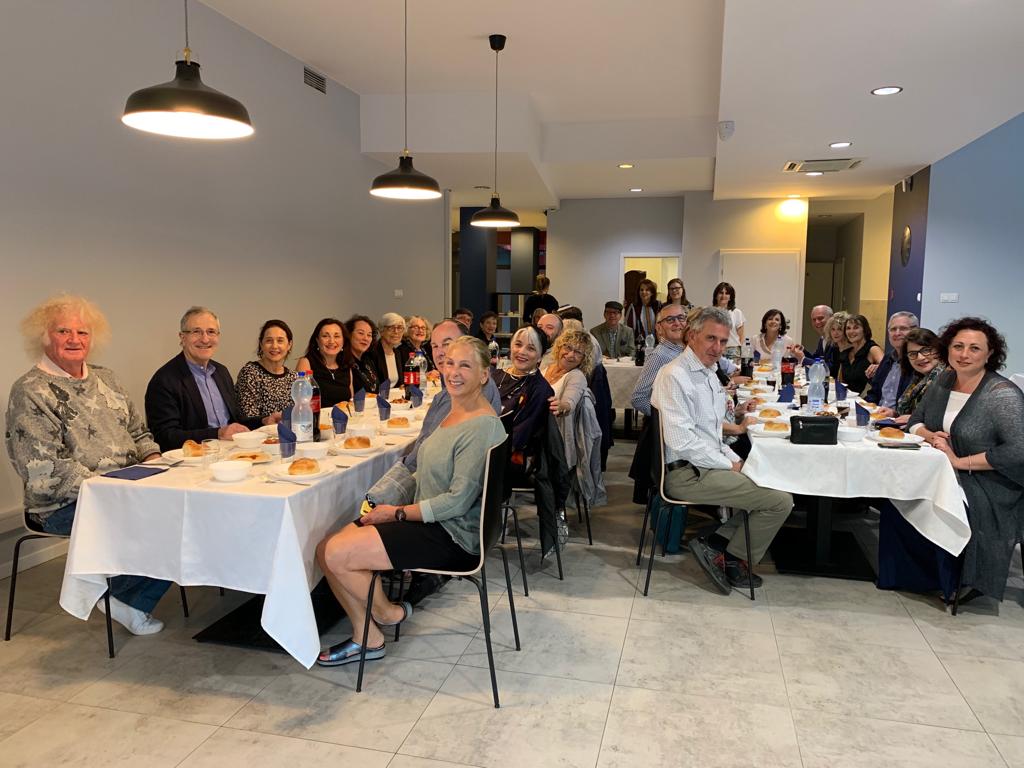
We were driven from Polin back to our hotel, where we had an opportunity to shower and get changed. That evening, over dinner at Kosher Delight, we sang happy birthday to Jenny, after which Evalyne surprised us all by bursting into the most beautiful rendition of Bei Mir Bist Du Sheyn – first in Yiddish, then in French, and then in English. We all sing along, and then go our separate ways back to the hotel: some by bus, and some along the darkening Polish street.
Photograph: Fil
Photograph: Howard Wolfers
We have much to meditate upon this evening. It has been a long day, and the words of Poland’s Chief Rabbi, whom we had the great pleasure of meeting at the restaurant, are giving many pause for thought. Born in New York, he spoke to us of his Polish ancestry and of the work that he does in Warsaw. He, too, stresses the revitalisation of Poland’s Jewish life, and downplays the rise in antisemitism that has been witnessed in recent years.
But, of course, Konrad is much more critical. At a time when museums are losing funding and their directors being retired, when tour guides are pushing ever harder some kind of equivalency between the persecution of Poles and the persecution of Jews, when acts of historical Polish antisemitism are being stifled and acts of modern Polish antisemitism go unpunished, downplaying a rise in antisemitism can itself be dangerous.
We were joined throughout much of the day by Konrad’s colleague, Katherine, who has even stronger views on this subject. But as Konrad delights in reminding us: we are not to speak of that.
Photograph: Howard Wolfers
 Berlin and Poland Tour 2019