It is strange. Tonight will be our third night in the city of Krakow, but today was the first time that we really got to explore it. I must say: I regret that there is so little time left to continue doing so.
Krakow is an old city, and its architecture highly reminiscent of pre-war video footage that I have seen. The reason for that became powerfully clear this morning when Fil told us that the Nazis never fought within this city: neither against the Polish army at the beginning of the war, nor (curiously) against the Soviet army at the end.
In both instances, defeat was assured. The Poles, not wanting to have the city that was certainly going to fall into German hands destroyed, removed their army from its environs and cabled to the Germans that the city was theirs to take. At the war’s end, knowing that there was no way to hold off the Soviets any longer, the Germans merely contented themselves with burning the bridges and retreating, allowing the Soviets to walk in without a fight.
As a result, this beautiful and incredibly ornate city is much as it was before the war broke out, and its being heritage listed means that it’s likely to stay this way for some time.
The Jewish roots of Krakow are interesting. The city is first mentioned in the year 966, by a Jewish merchant named Ibrahim ibn Yaqub, who holds the curious distinction of also being the first person in history to ever mention, in writing, the city of Prague. At this time, Krakow was only a small city, and did not yet have a Jewish community.
Casimir the Great, who reigned over Poland in the 14th century, is tied (at least in the popular imagination) to the country’s rise in status. As an old expression goes, Casimir found Poland made of wood, but left it made of stone. This hey-day of Polish civilization lasted roughly from the 14th to the beginning of the 17th century, during which time it went from being the Kingdom of Poland to being part of the Polish-Lithuanian Commonwealth, and the largest country in continental Europe.
Today, Krakow is the second largest city in Poland with a population of roughly 800,000. Since it was voted the European capital of culture in 2000, tourism has increased dramatically and it is now the third-most visited city in Europe, after Prague and Budapest. Some 13,000,000 people alone visited Krakow last year, making the permanent population truly pale in comparison to the transient population.
So far as that permanent population is concerned, we are told that some 20% of them are students, which allows for the tremendously liberal character of this city. 45,000 of those students study at Jagiellonian University, which is the oldest university in Poland, while over 100,000 study at a variety of other institutions of learning. And while my head was still spinning from statistics, Fil hit me with another: before the war, when Krakow’s population was only a quarter of a million, Jews made up a very visible 28% of the whole.
All of this is to say that local Poles, residing in Krakow, are very interested in their Jewish past, very interested in exploring their own personal connection to that Jewish past, and very keen on finding ways to adequately keep alive the memory of those people who are no more.
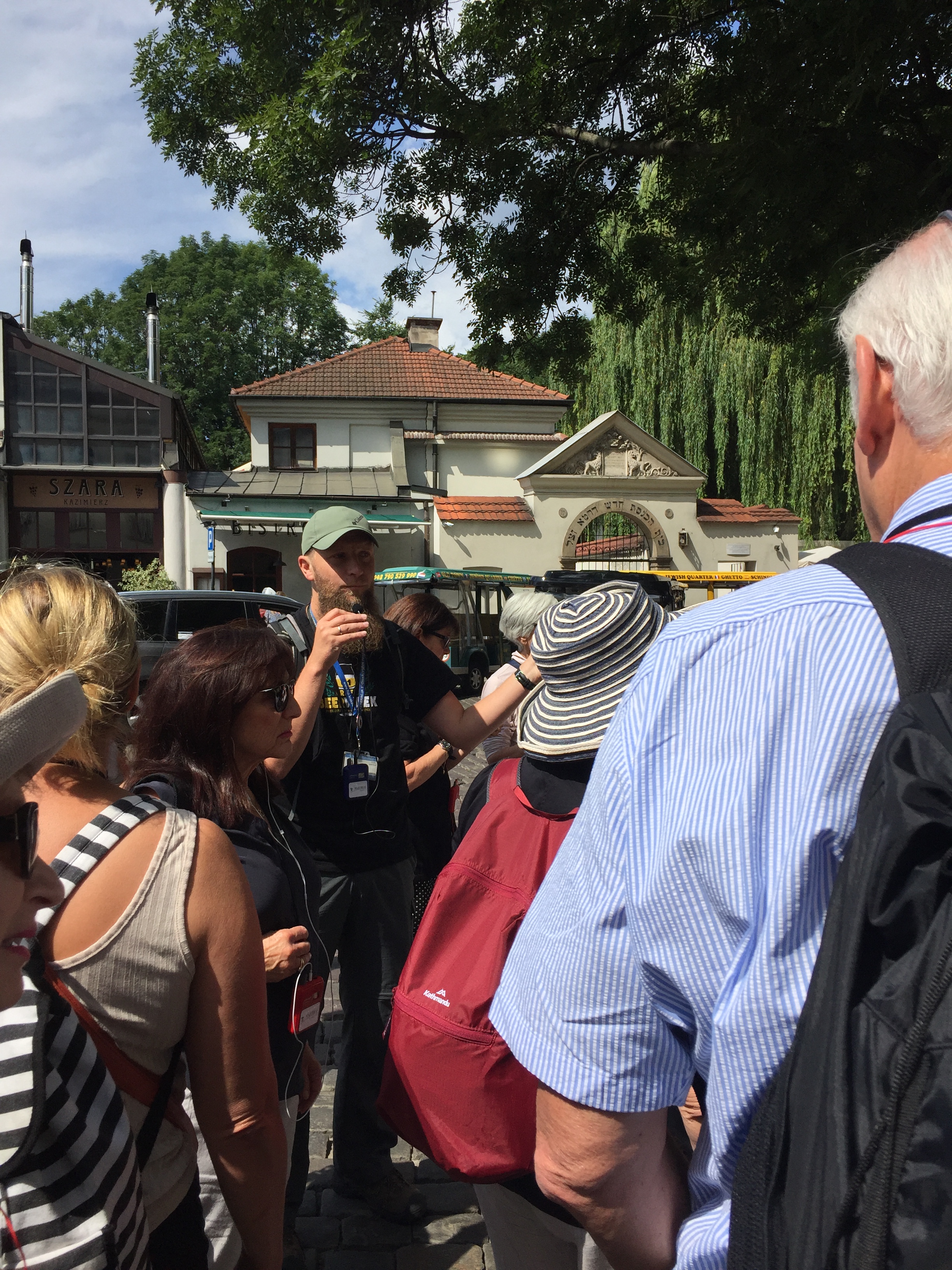
Those people, ever since the 15th century, had been living on an island just outside of Krakow, surrounded by the Vistula, but which is today a part of the city. Named for Casimir the Great, Kuzmir (Kazimierz in Polish) was thought of by many as a piece of the Middle East. Here, Jews would dress in their traditional clothing, would speak Yiddish as their primary language, and were free to pursue their own business and study.
Photograph: Simon Holloway
Photograph: Simon Holloway
Photograph: Simon Holloway
Photograph: Simon Holloway
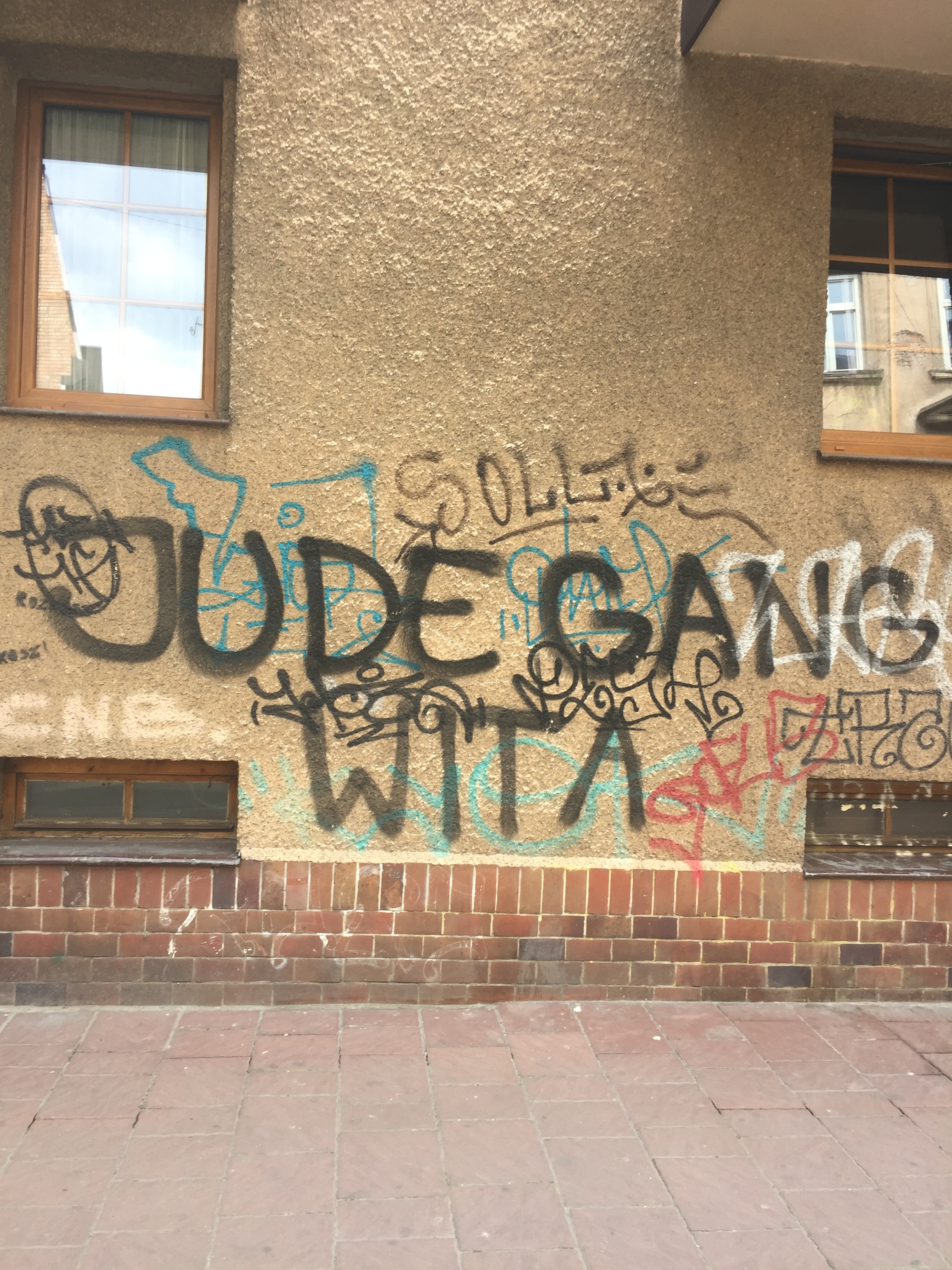
Photograph: Simon Holloway
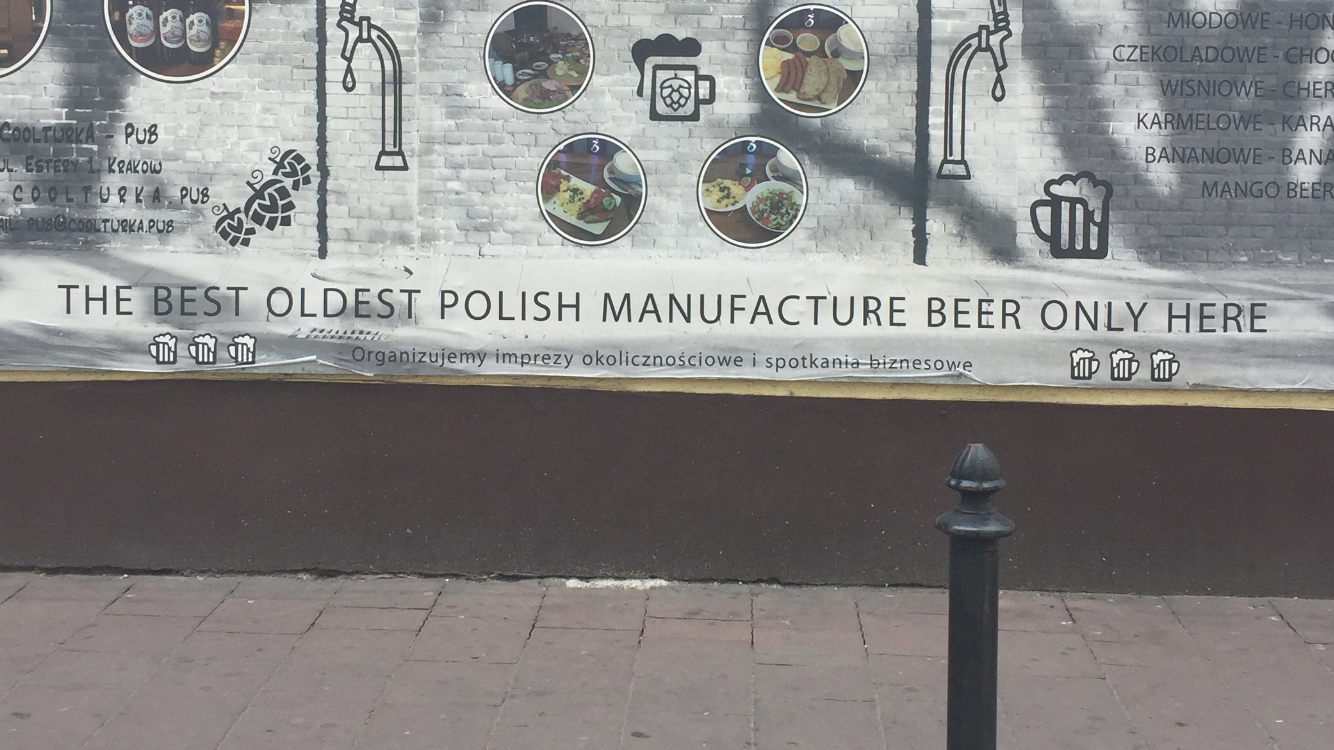
Photograph: Simon Holloway
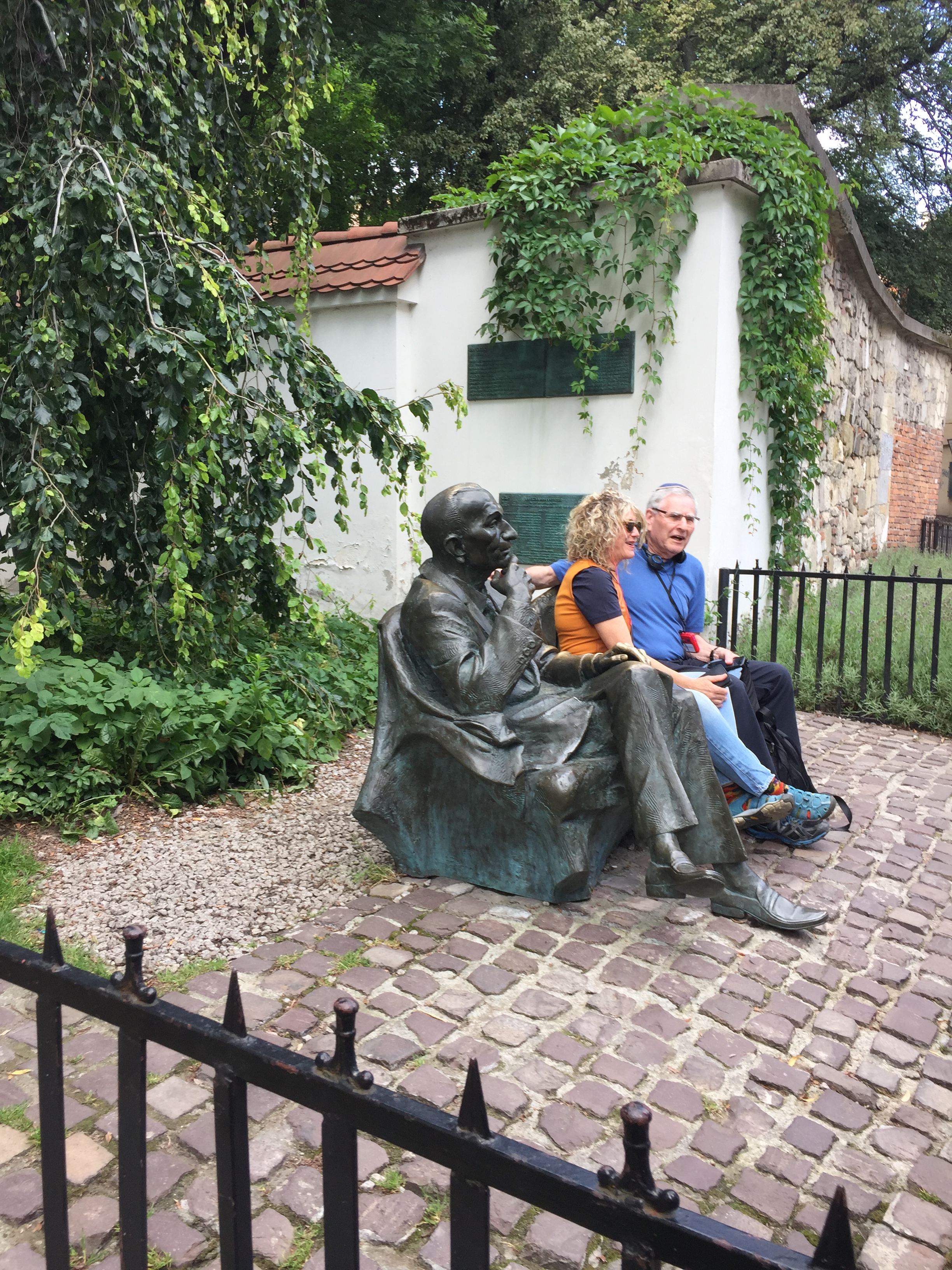
The flowering of religious Jewish life in Krakow is often tied to the person of the Rema: Rabbi Moshe Isserles. A Polish scholar of the 17th century, his annotations on Rabbi Yosef Caro’s Shulchan Arukh allowed for this multi-volume corpus of halakhic literature to be relevant to Jews in Ashkenazi lands. His synagogue, and the one that abuts the cemetery in which he is himself buried, is the first place that we visited this morning.
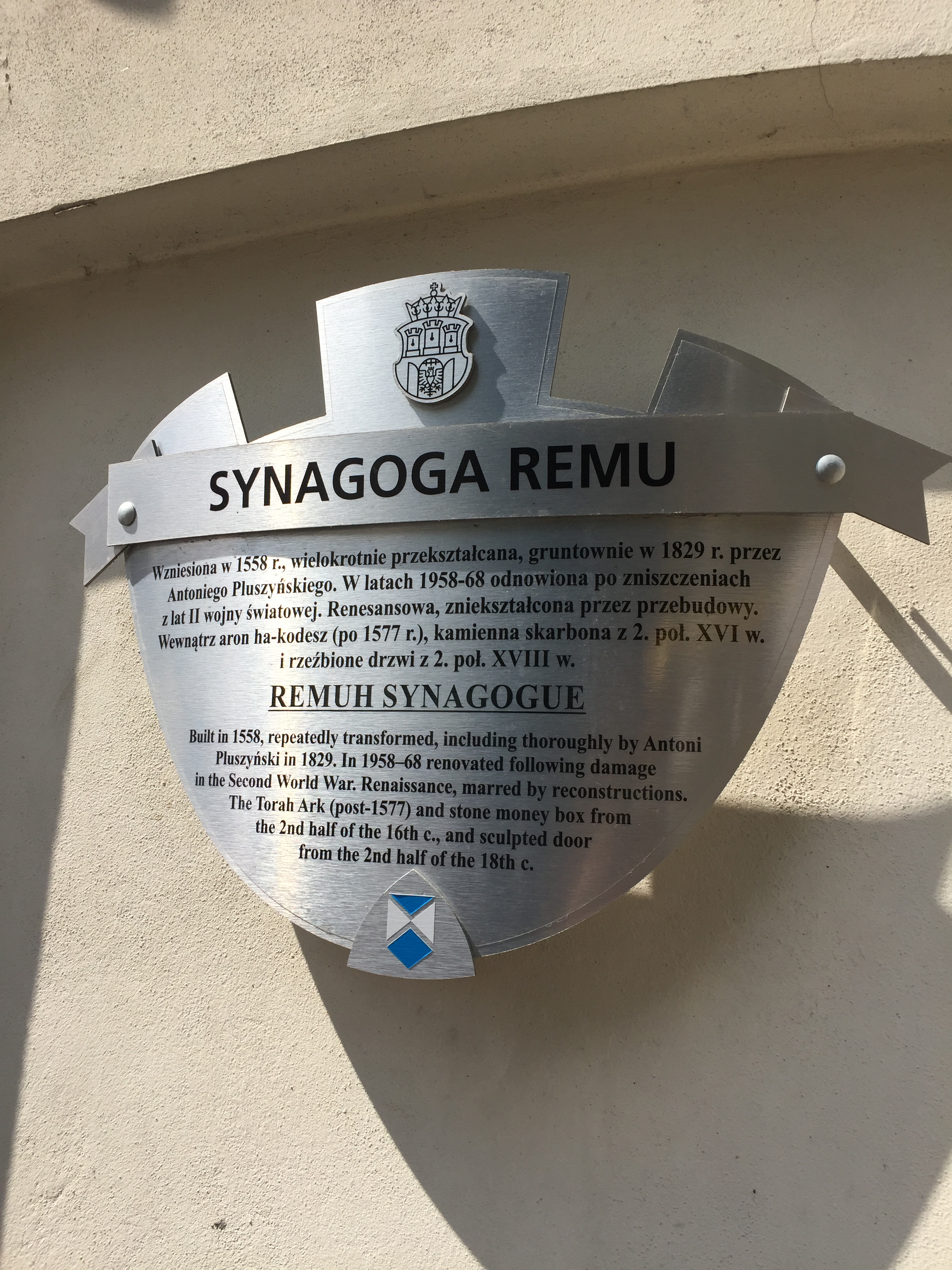
Photograph: Simon Holloway
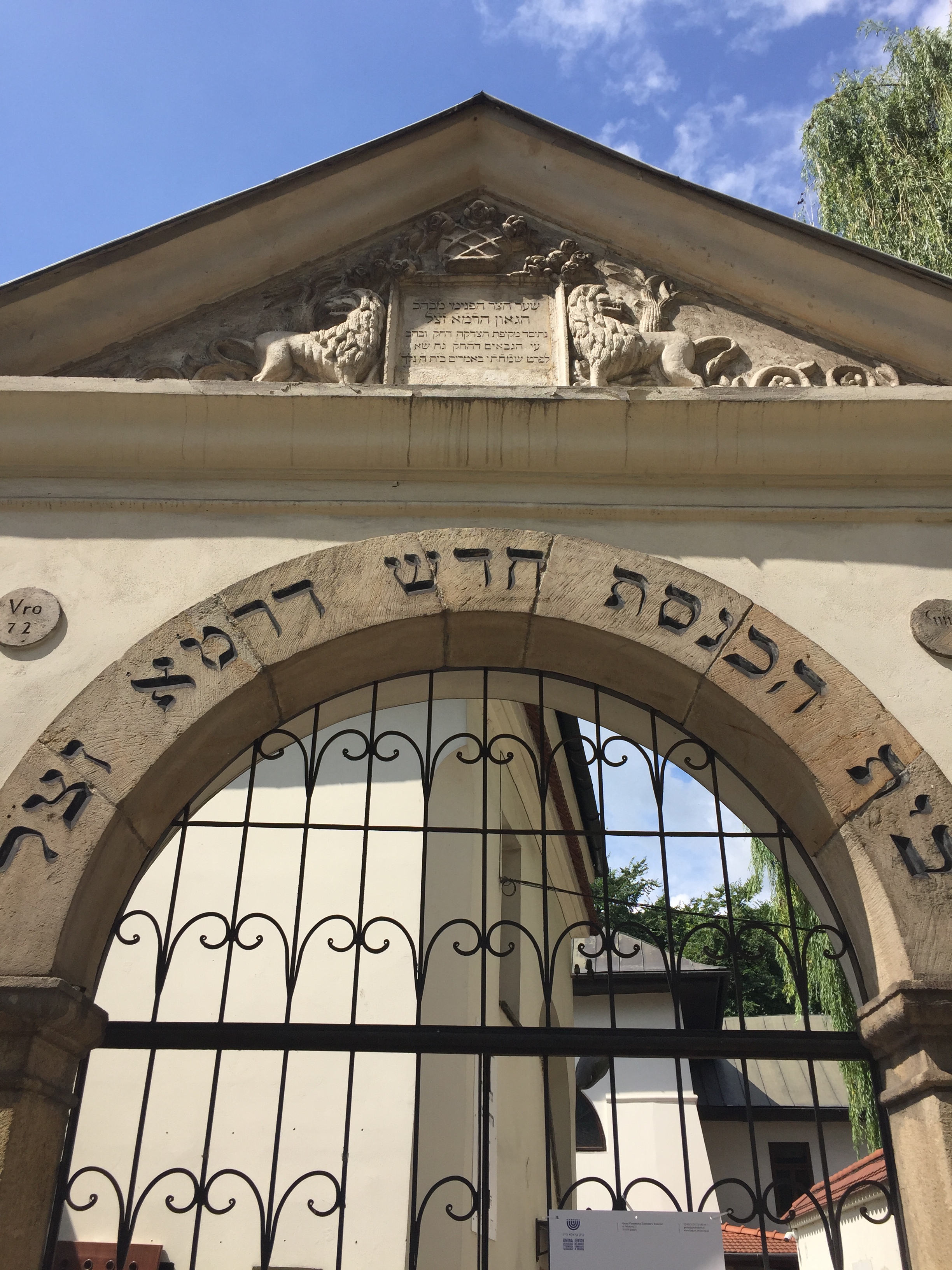
Photograph: Simon Holloway
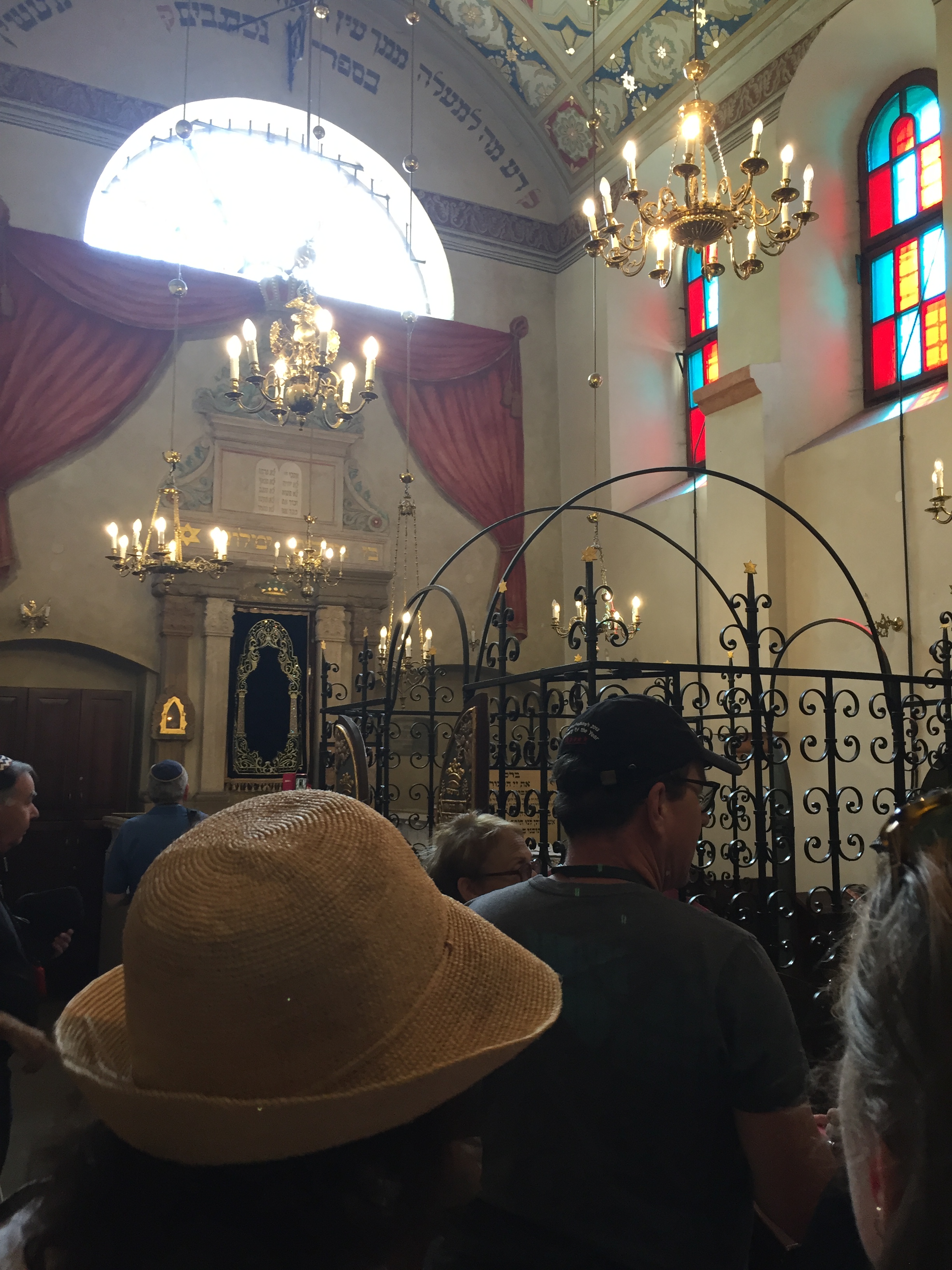
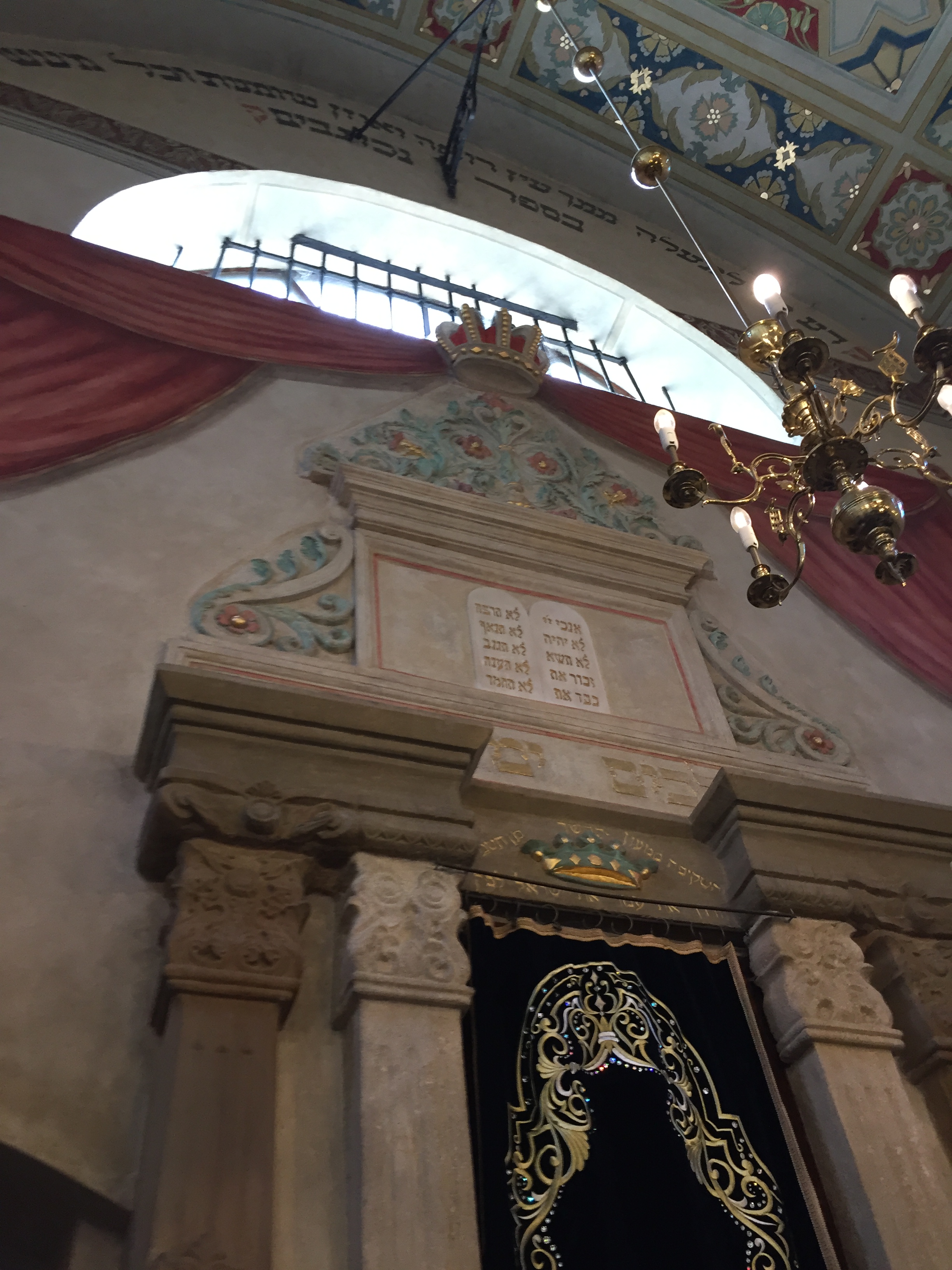
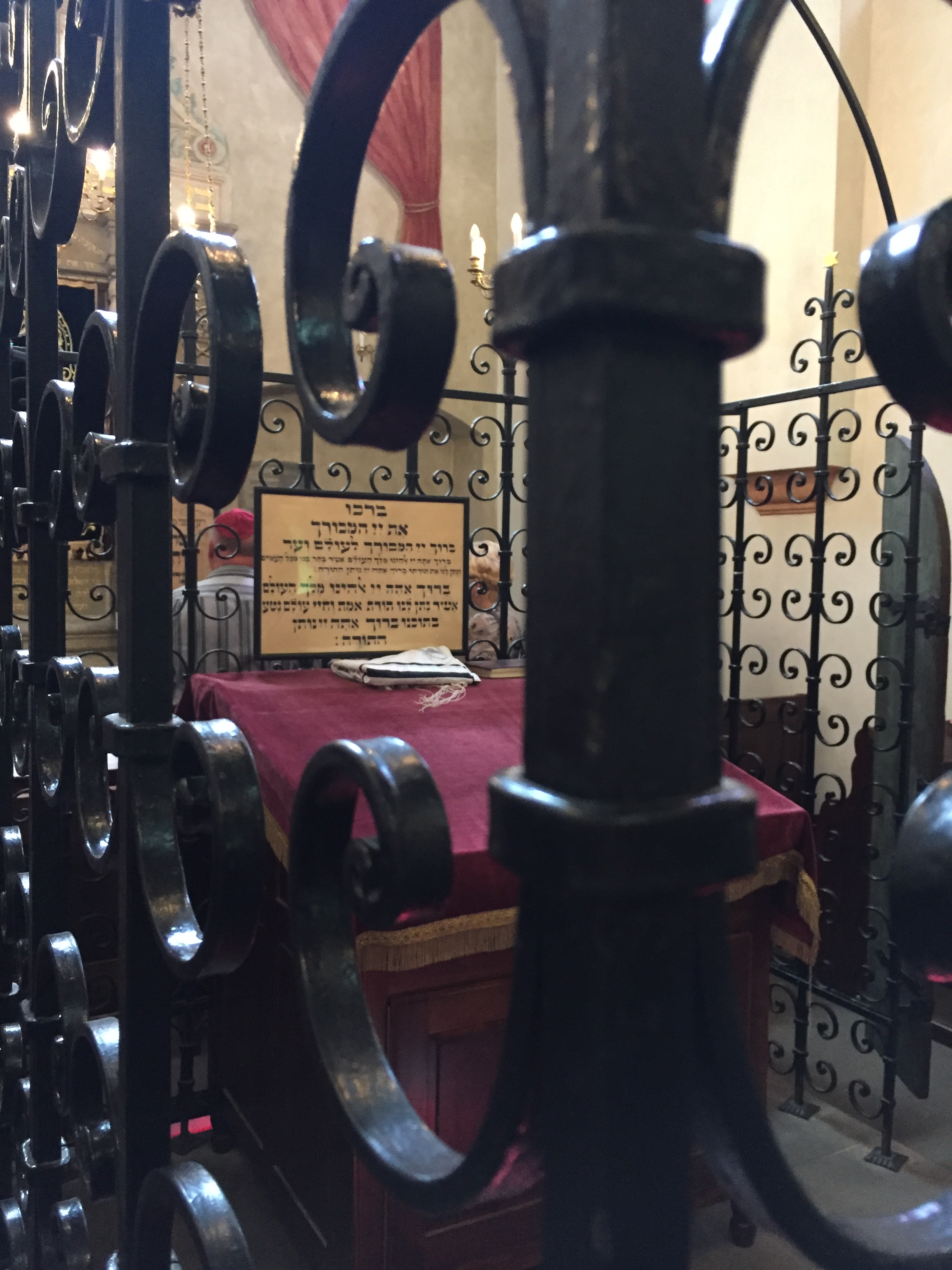
This synagogue is the smallest of the seven synagogues that still exist in Krakow, and still has an active (Orthodox) congregation. The interior is most ornate, and while it feels strange to crowd inside a functioning shul and take photographs of it, I found the decorations quite intriguing. Above the ark is a quote from the Mishna (Avos 2:1), while the back of the shul sports a quote with which I was previously unfamiliar:
 אדם דואג על איבוד דמיו ואינו דואג על איבוד ימיו
דמיו אינם עוזרים וימיו אינם חוזרים
A man worries about wasting his money, but does not worry about wasting his days; his money does not help him, and his days do not return.
– my own literal translation
I had to look online for this, but it seems that many shuls had aphorisms of this nature, the purpose of which was to provide moral instruction to worshipers, and for which scholars are unable to source the exact provenance. The message (that a worthy occupation is of greater value than one’s income) is a message consonant with the literature of the great Polish rabbonim, who emphasised the importance of spending one’s days in the study of Torah.
Photograph: Simon Holloway
Photograph: Simon Holloway
Photograph: Simon Holloway
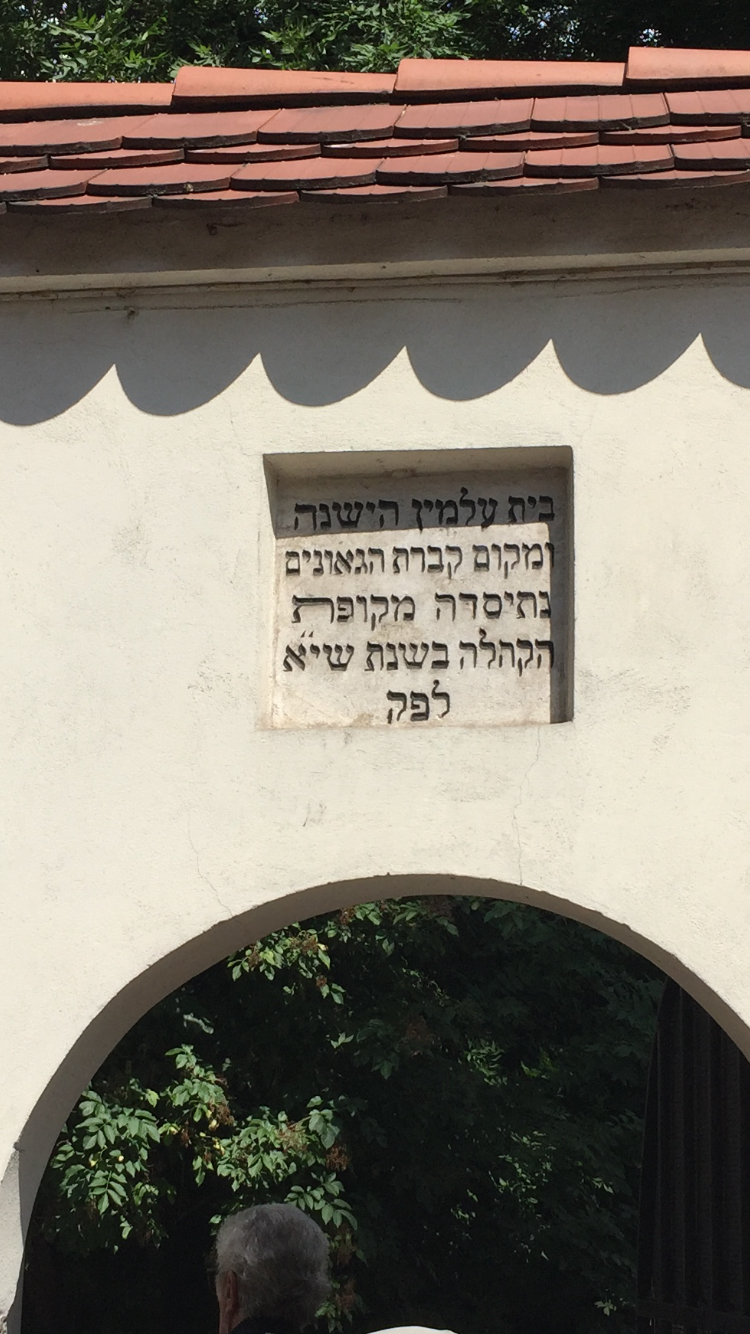
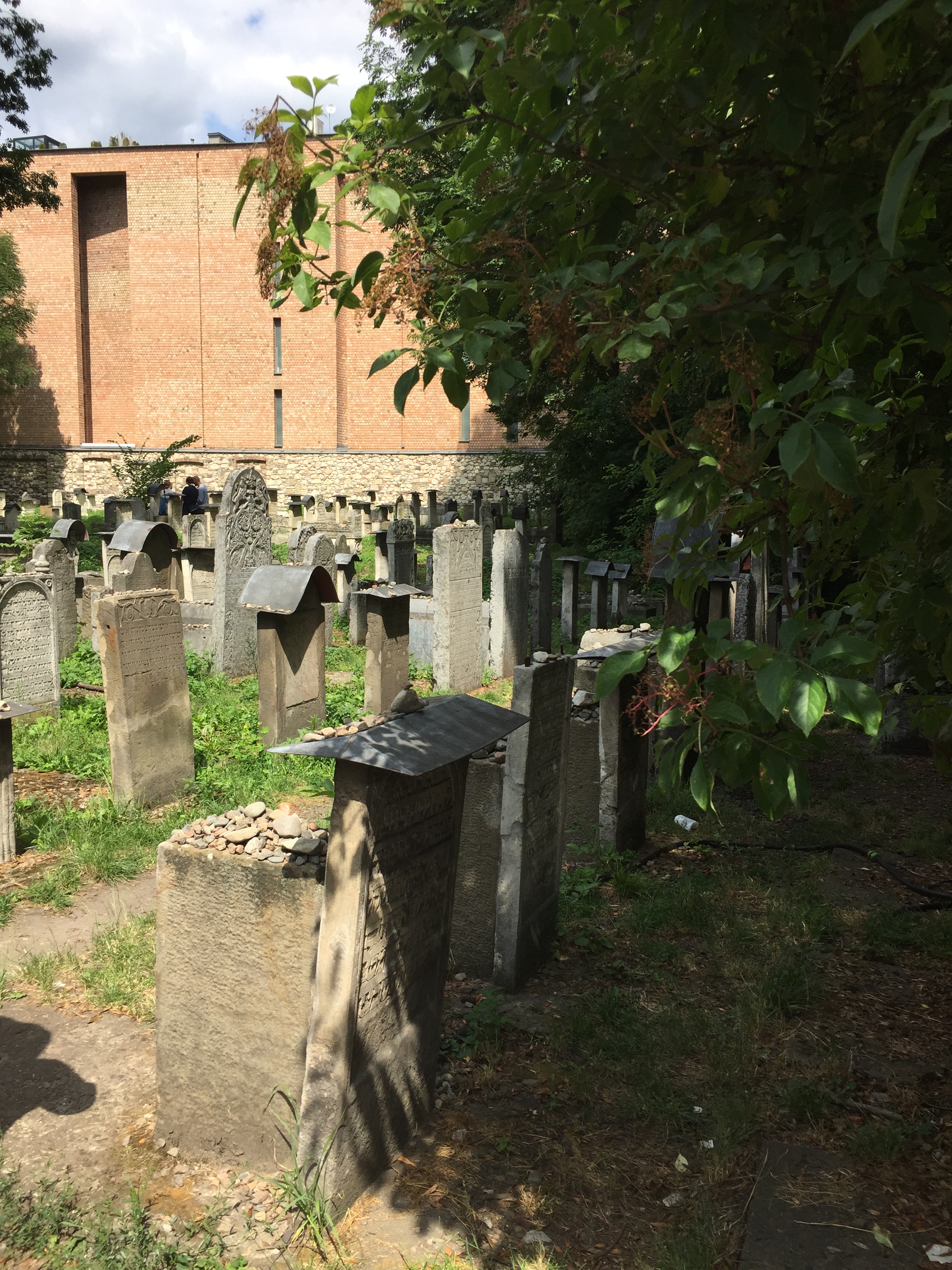
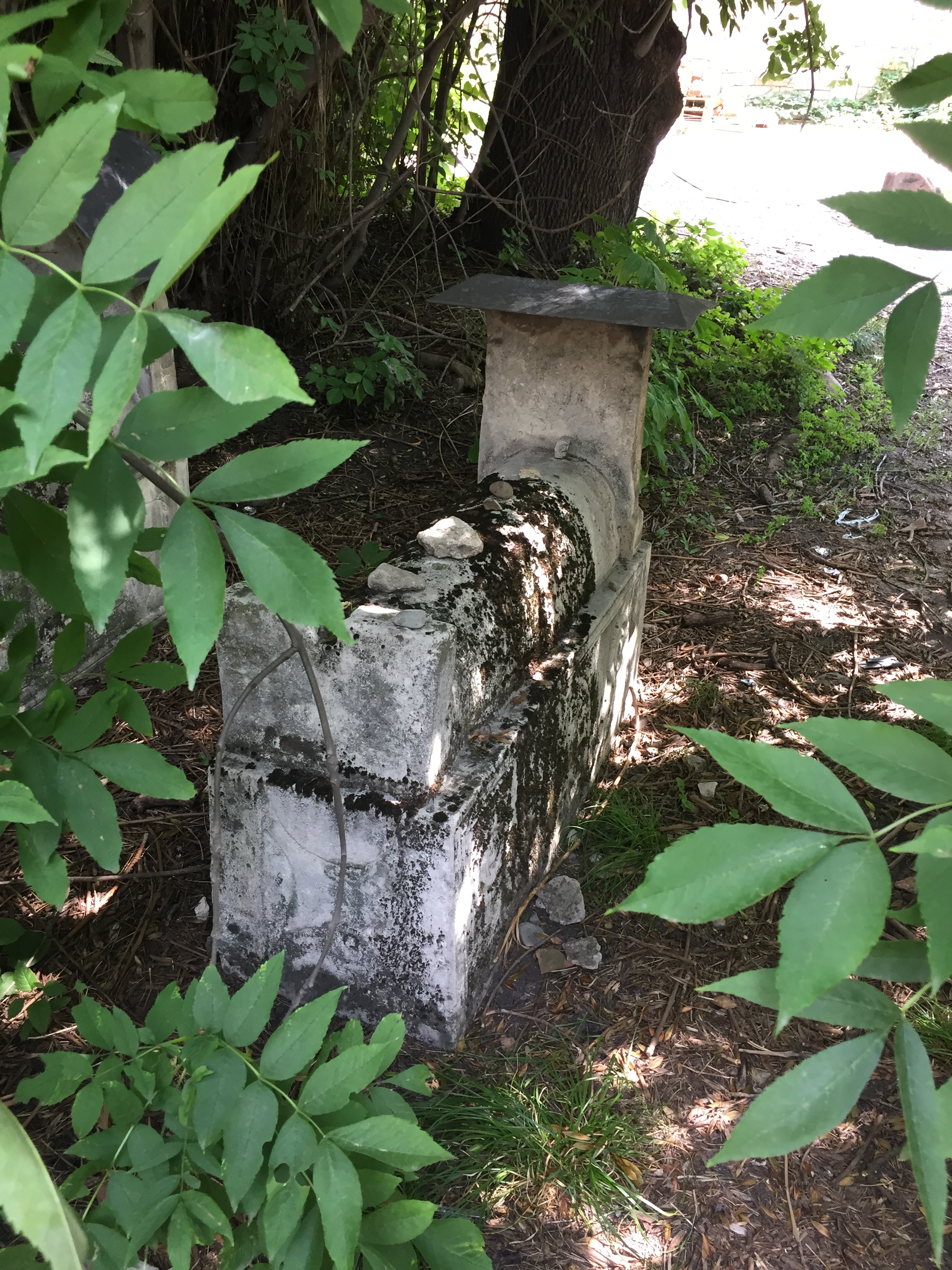
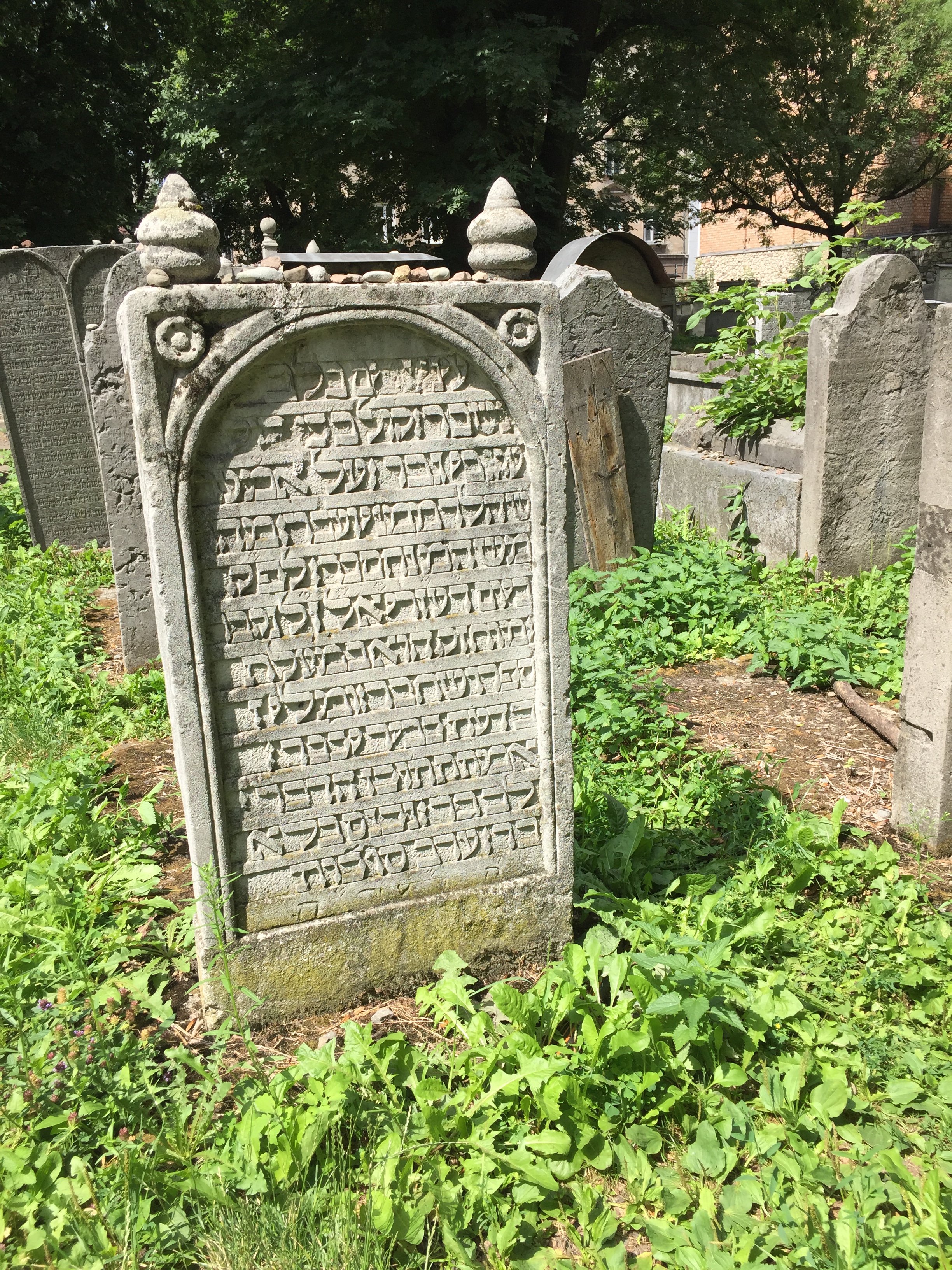
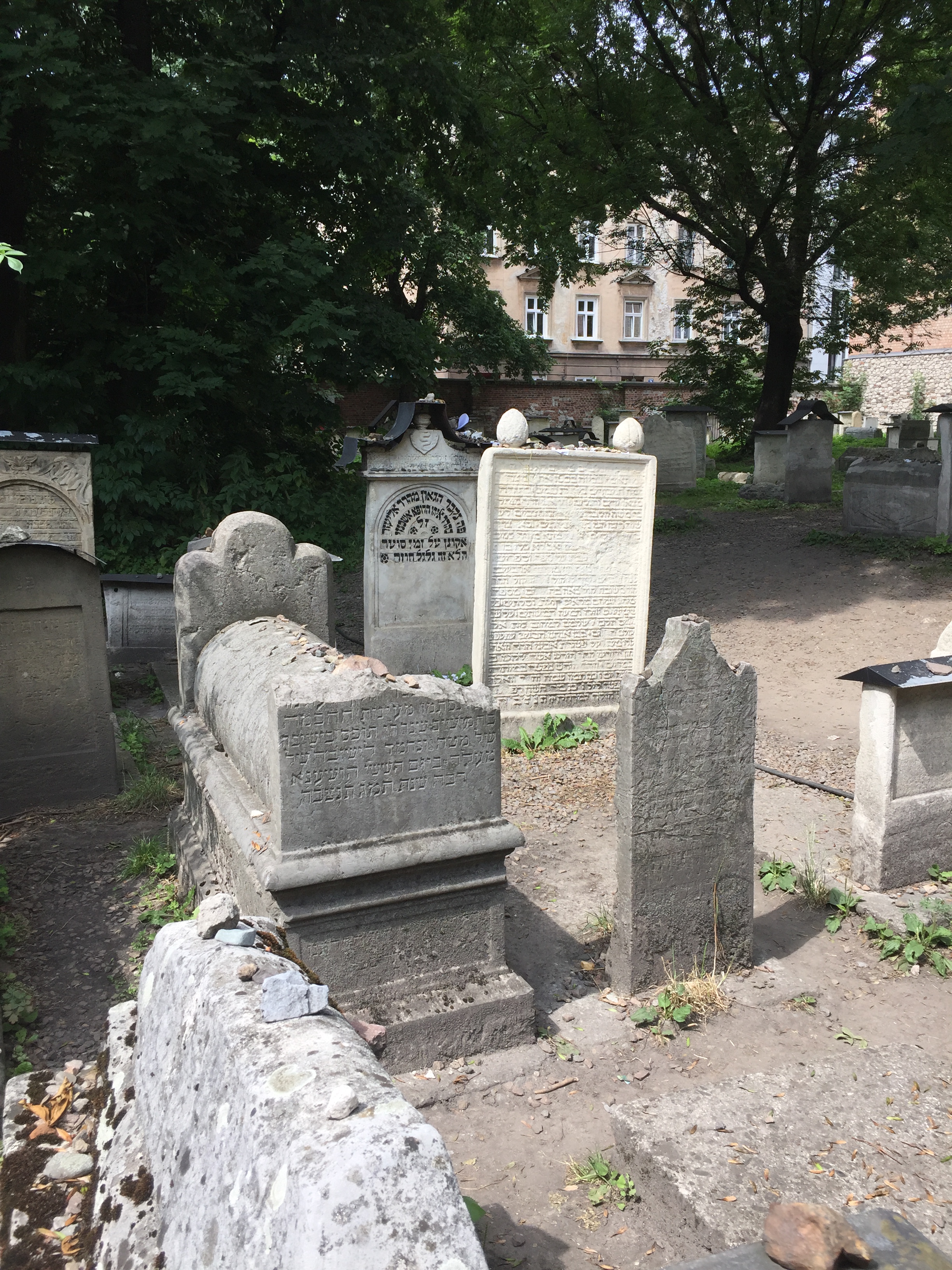
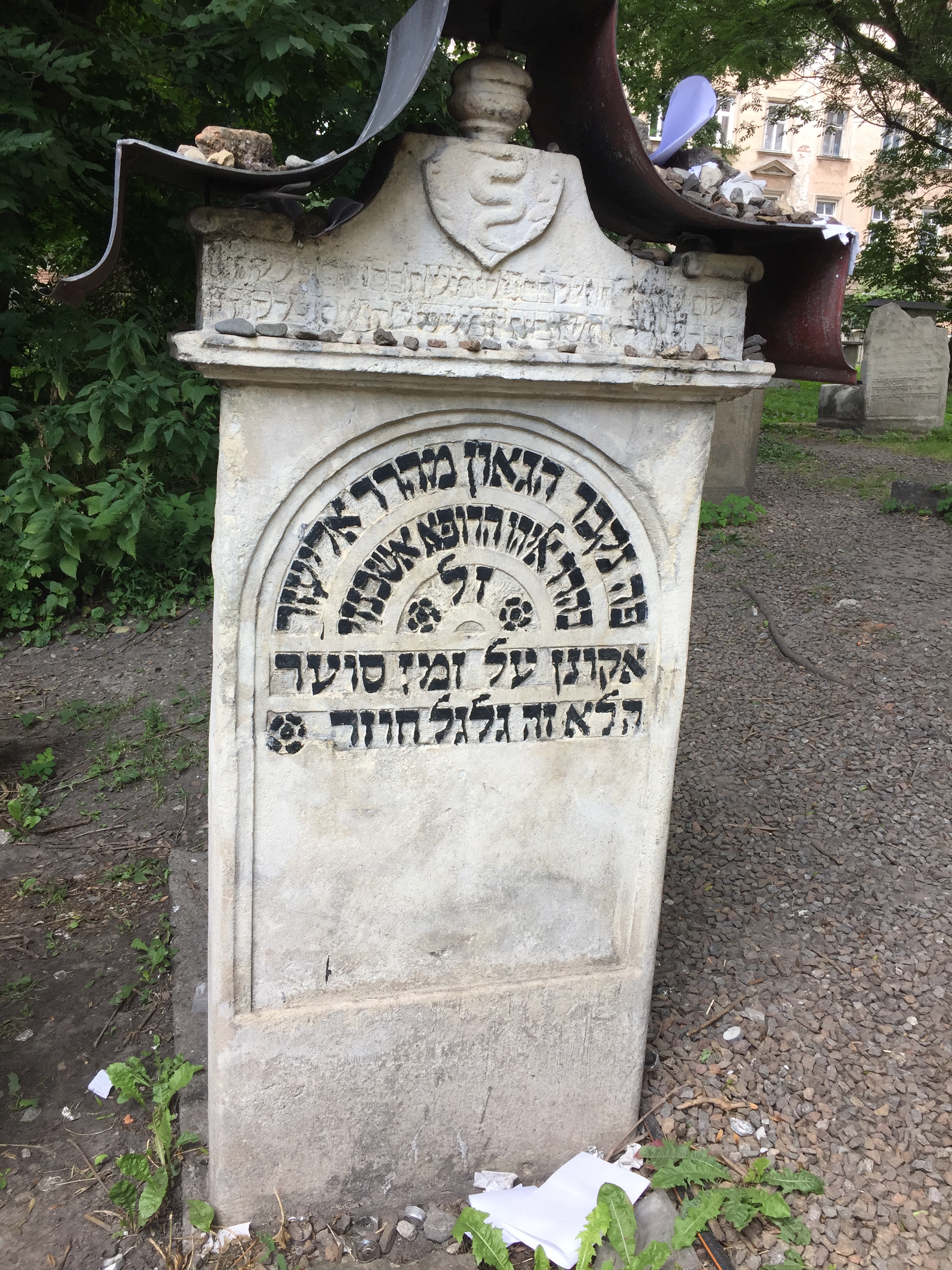
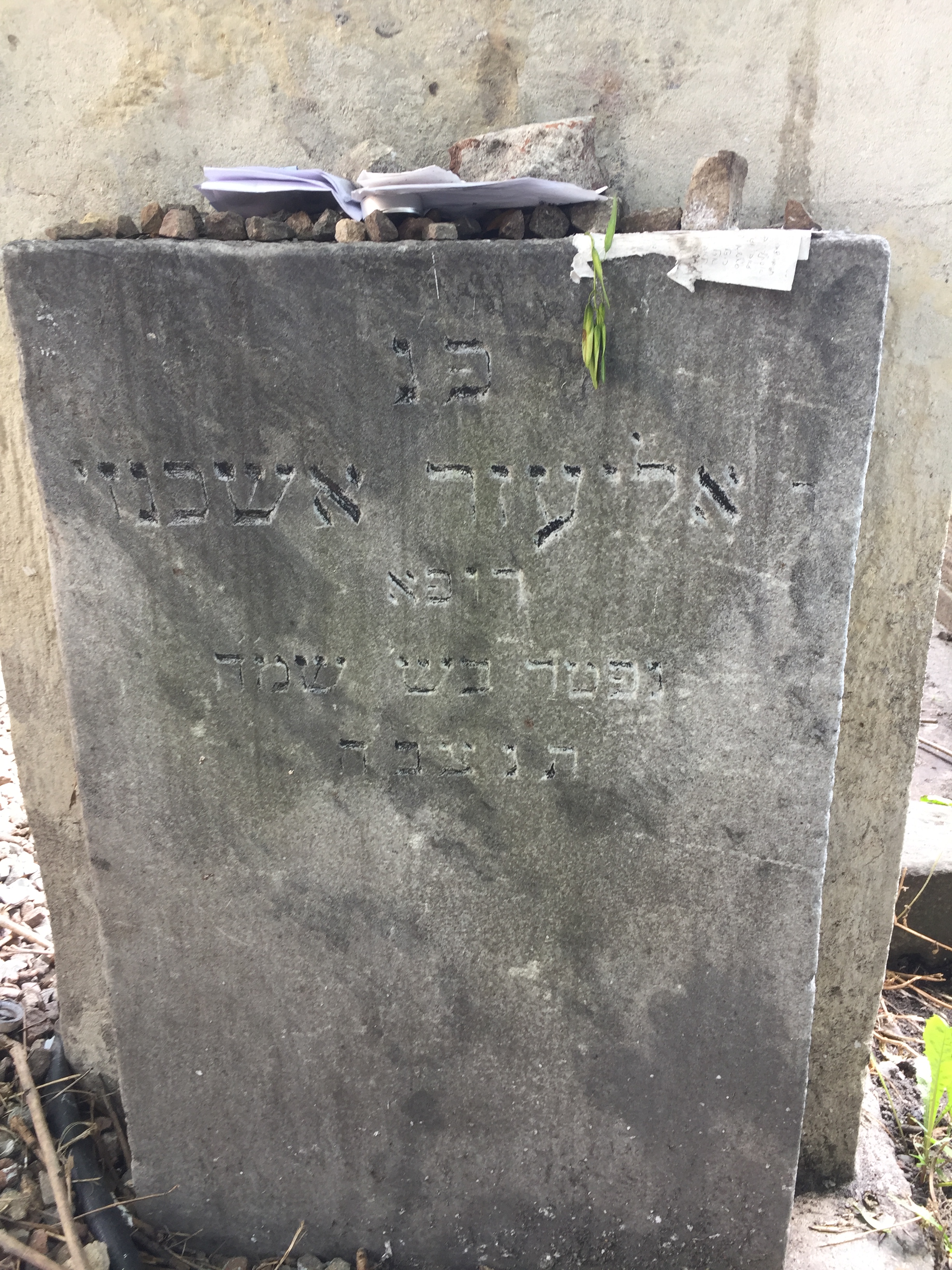
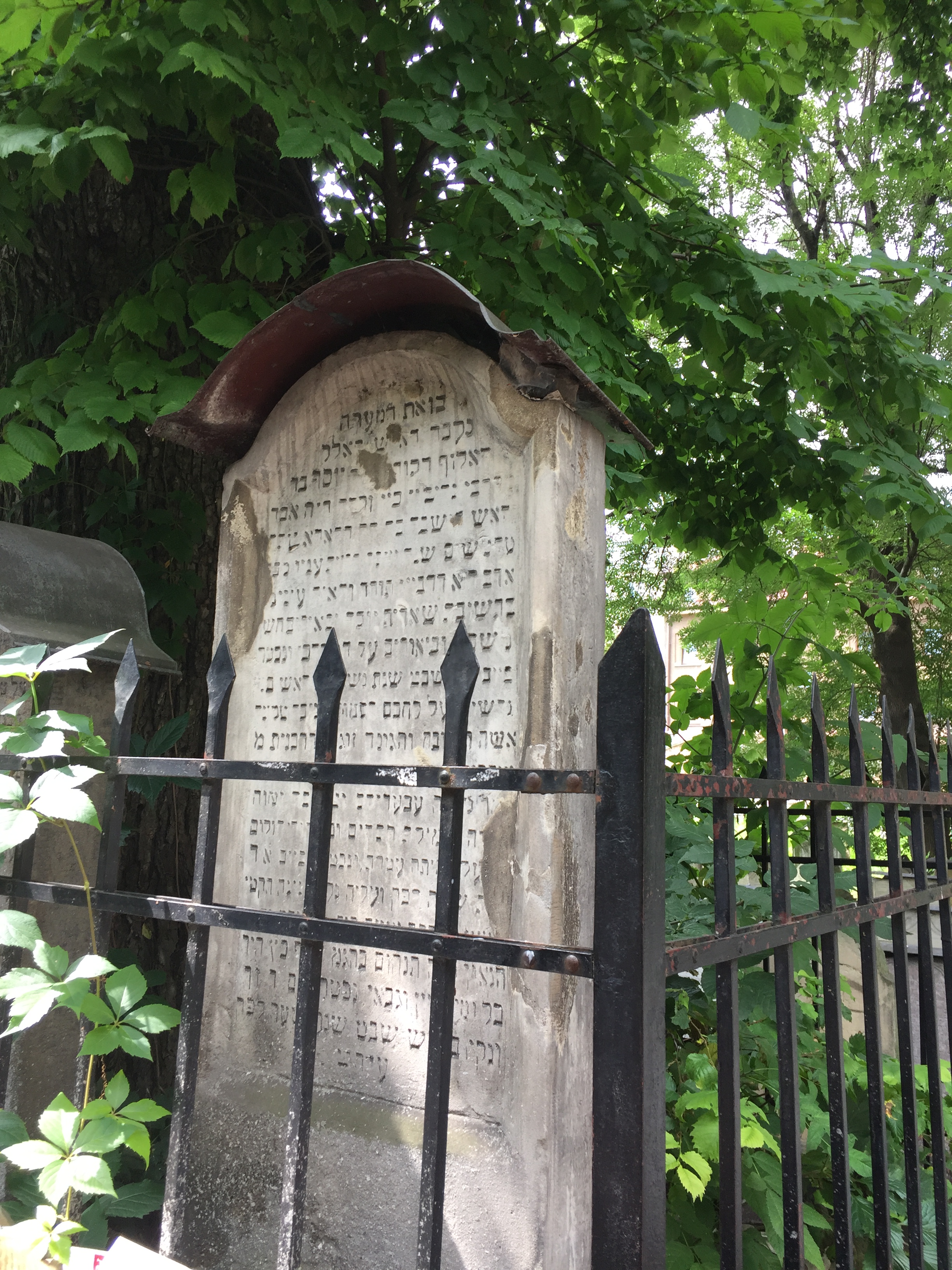
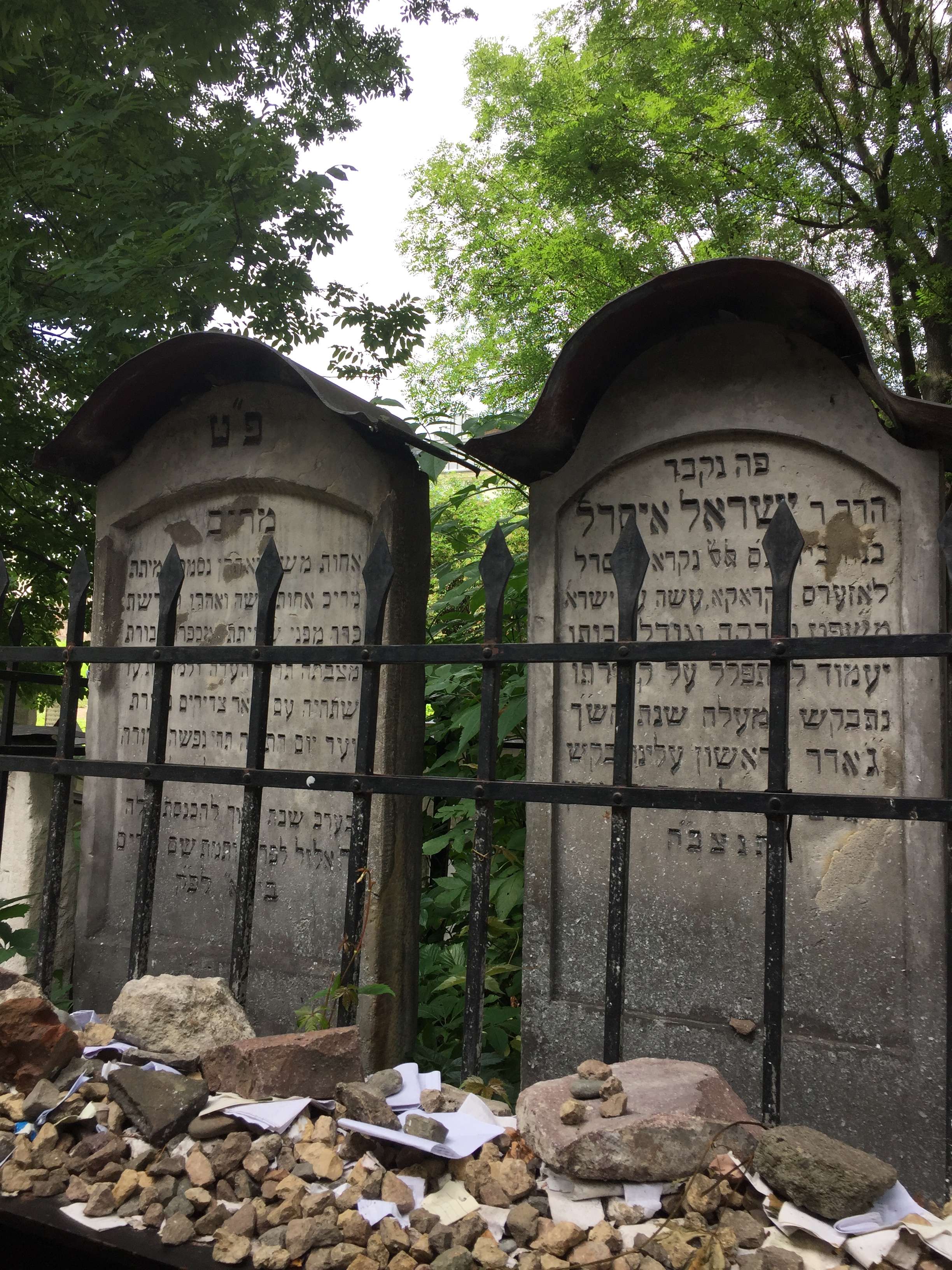
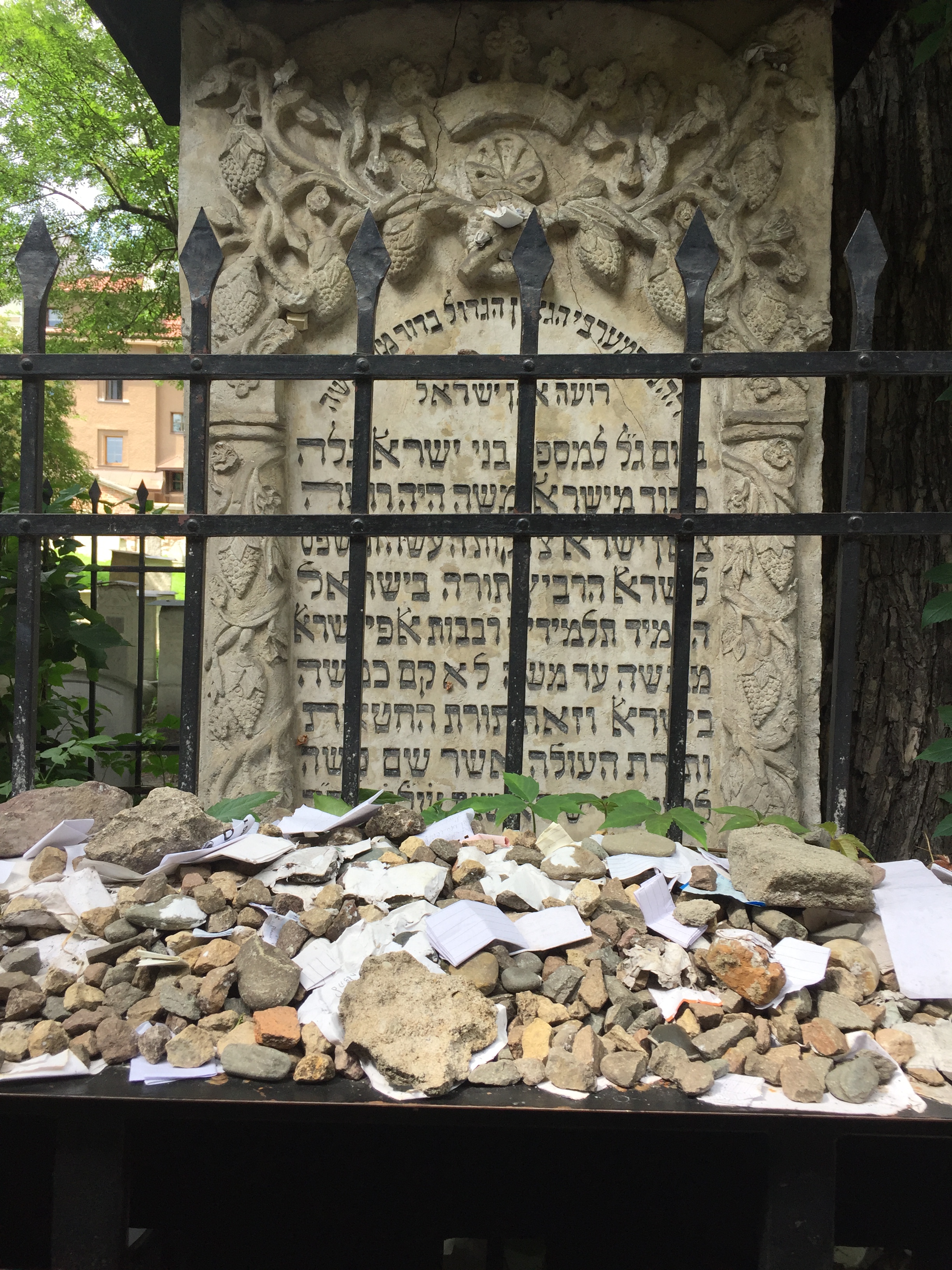
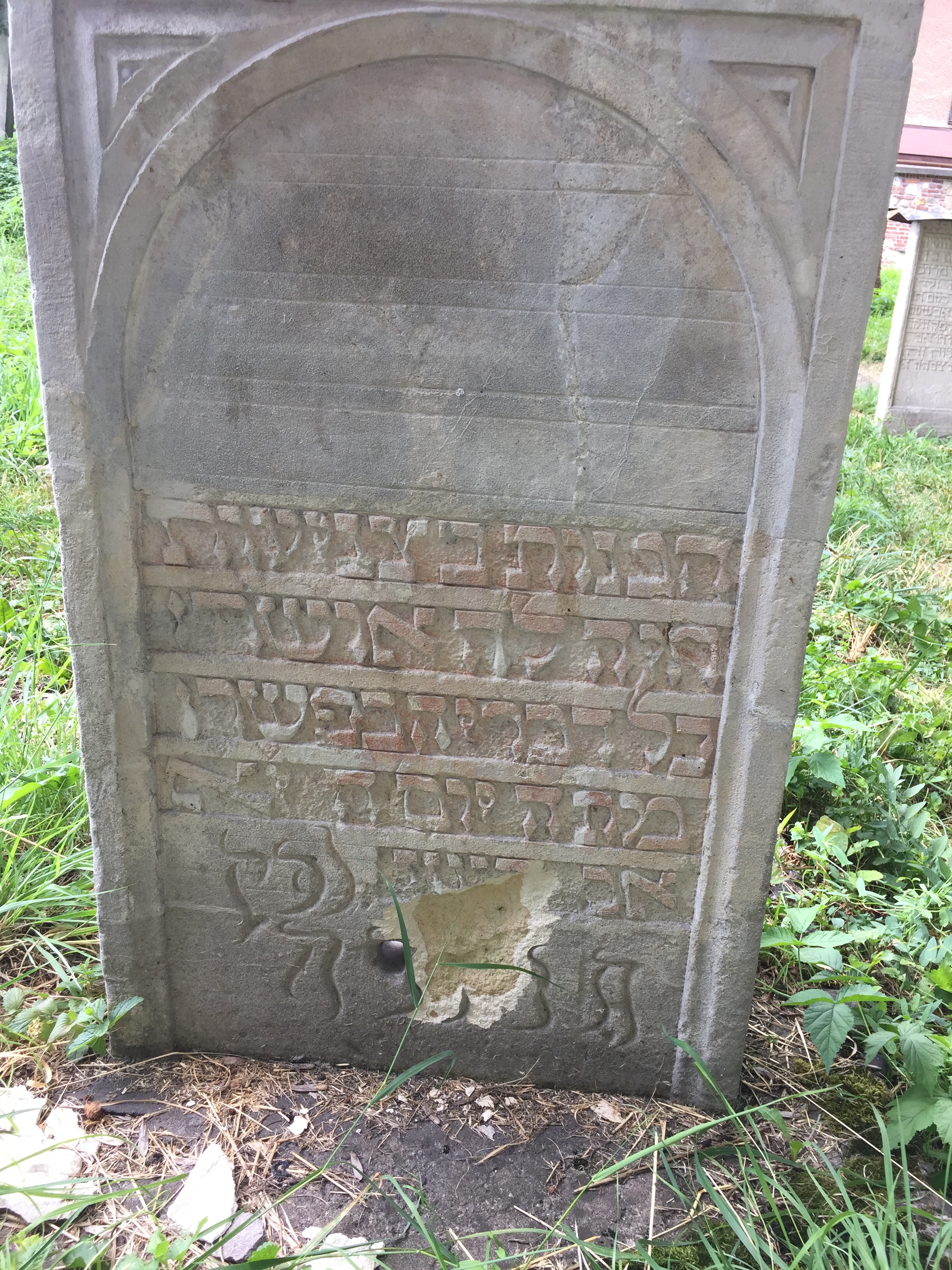
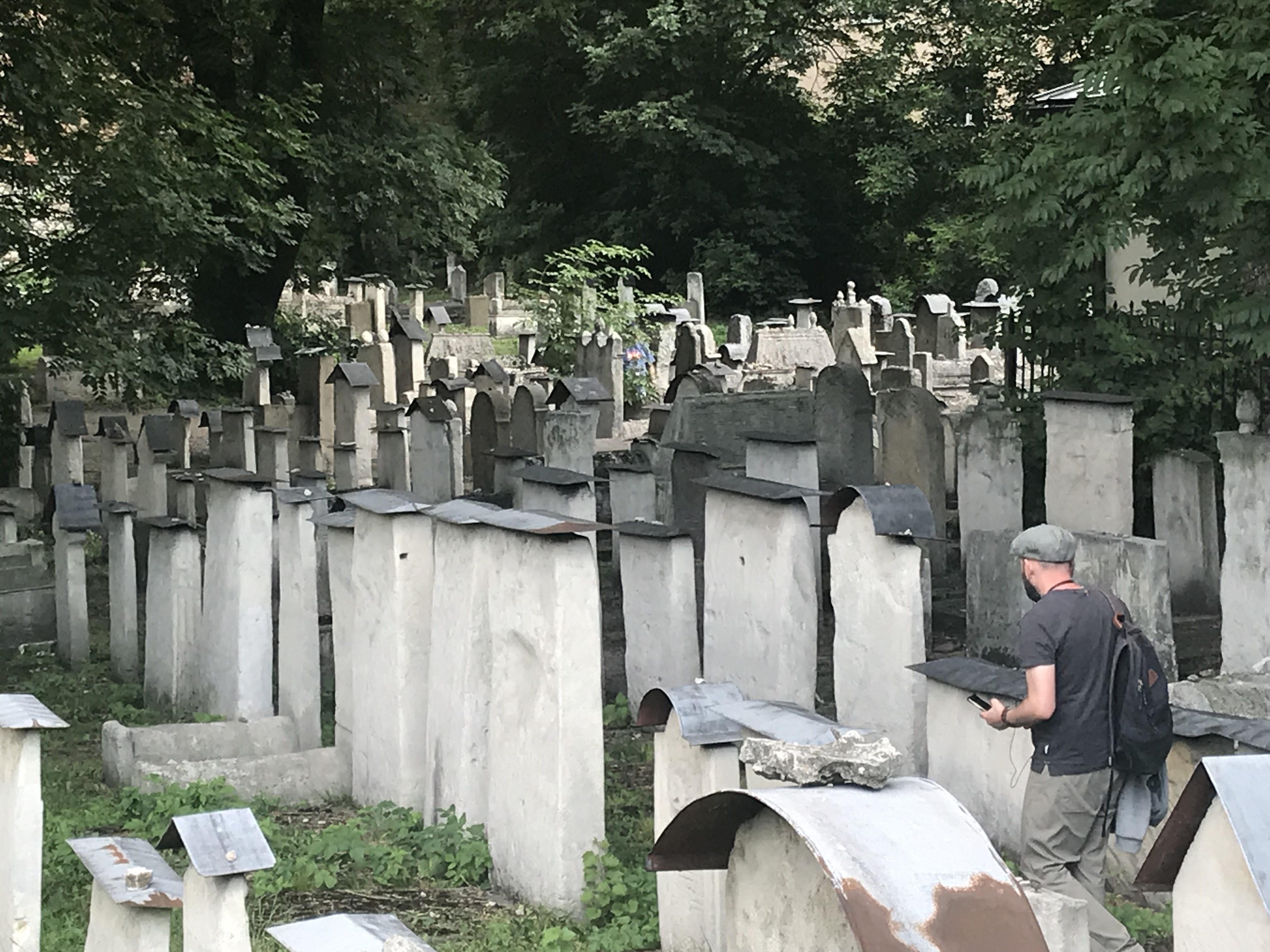
I wonder how many of those rabbonim are interred in the earth next to the synagogue? We wandered among the gravestones, but their writing is tremendously difficult to read. To compound the problem, the Germans had used this cemetery for storage, and had broken a number of the stones for use in construction. Many have been returned, but have not necessarily been returned to the correct grave, and the damage they have suffered has contributed to their illegibility.
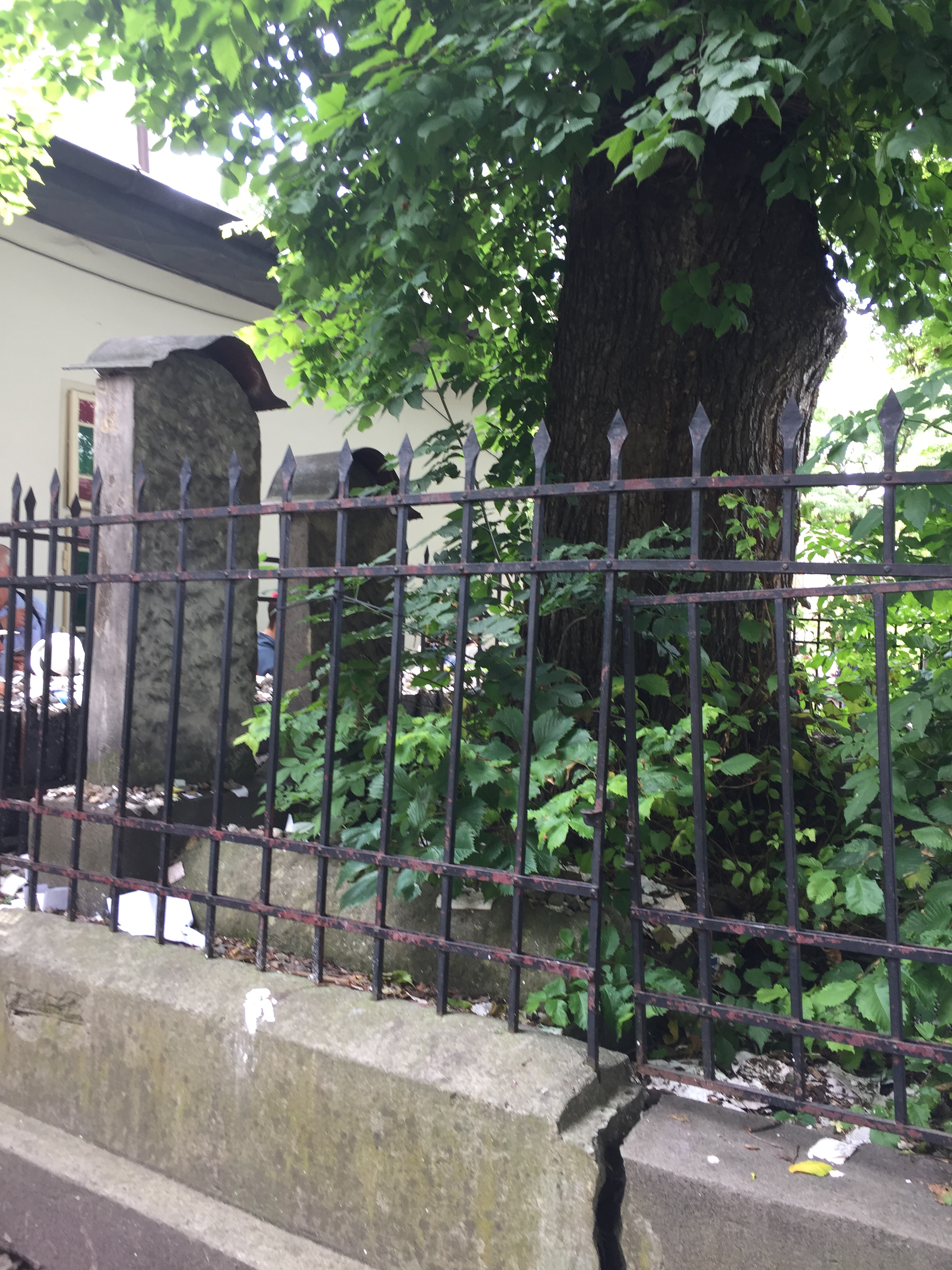
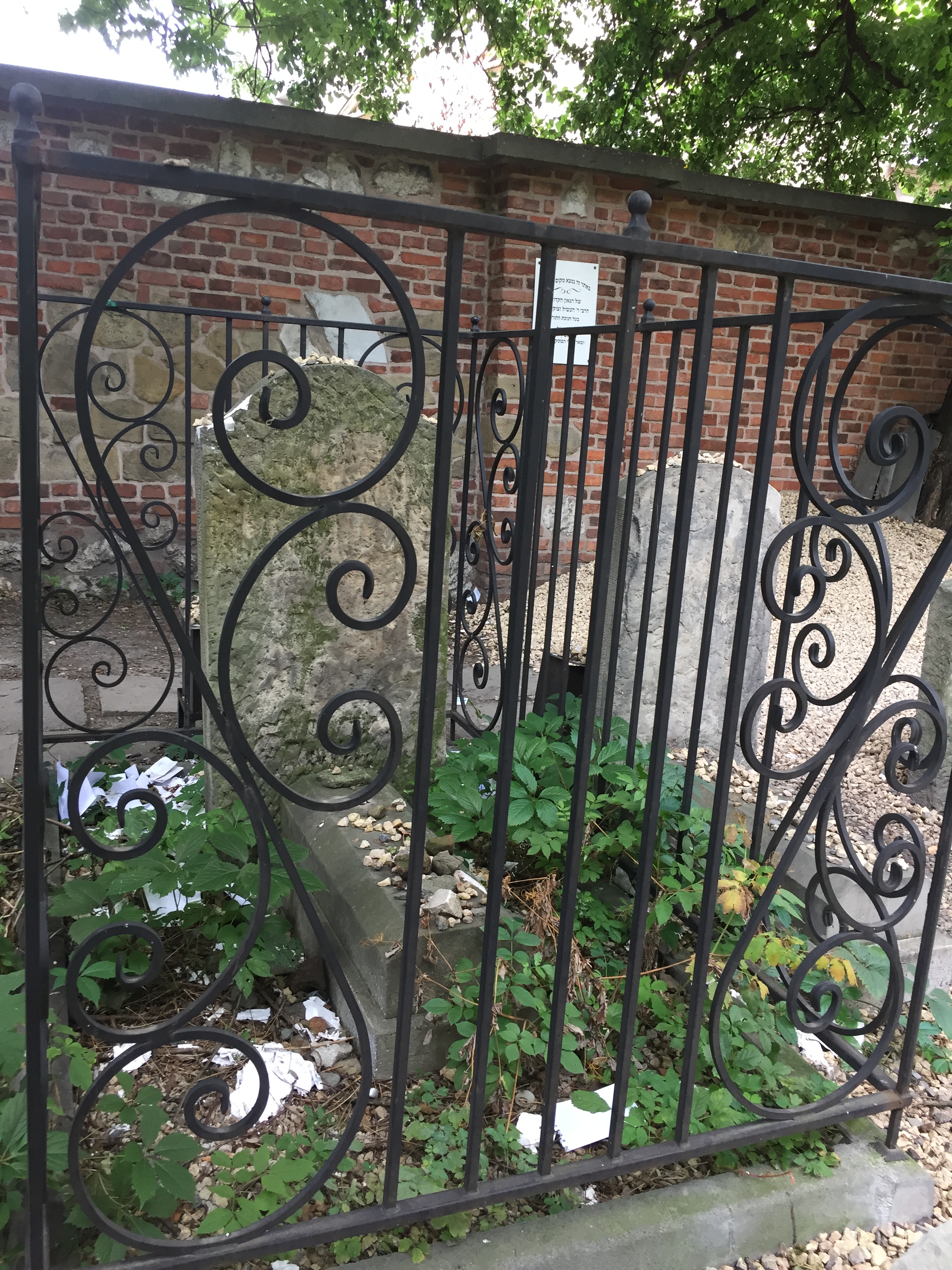
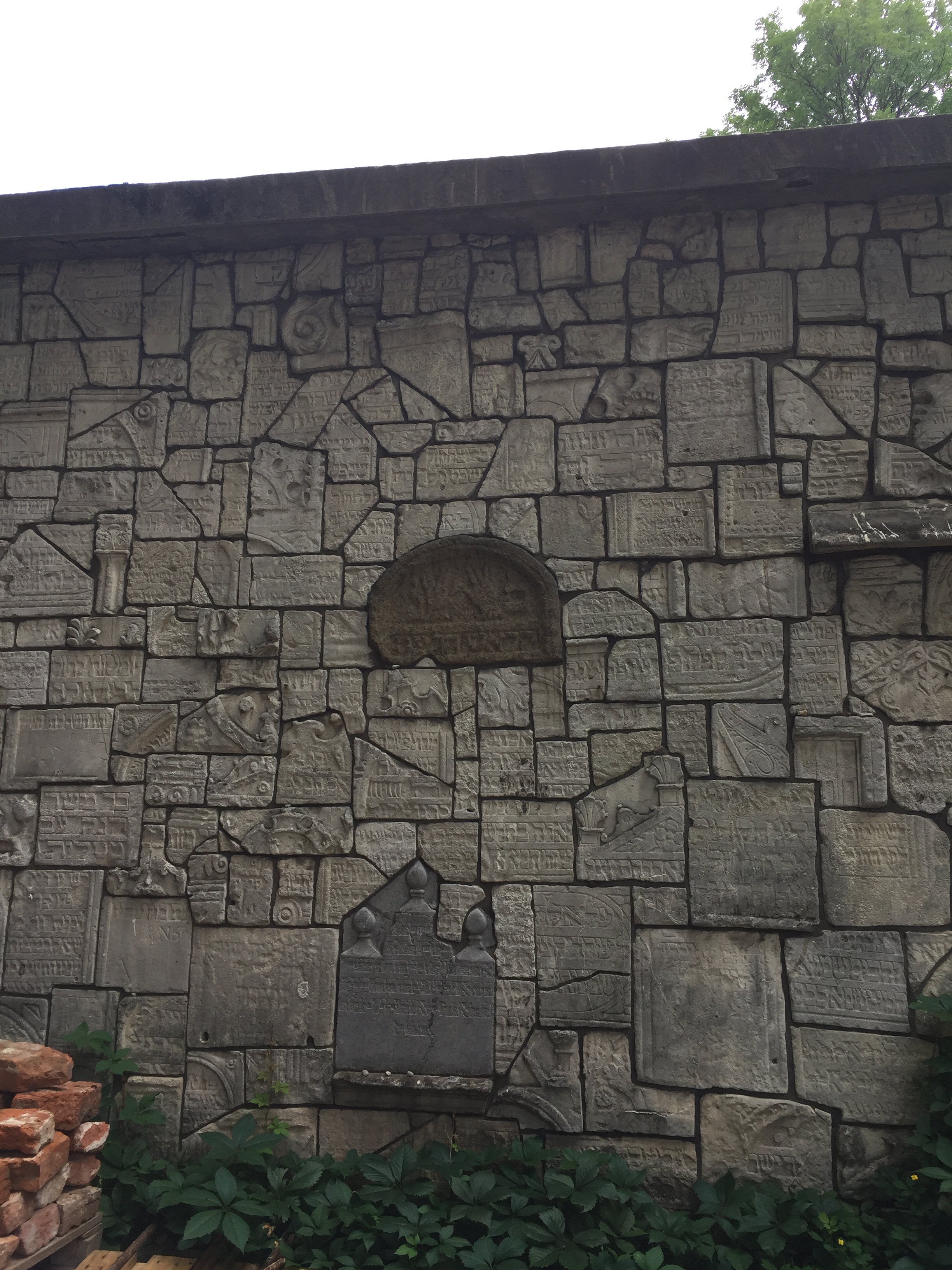
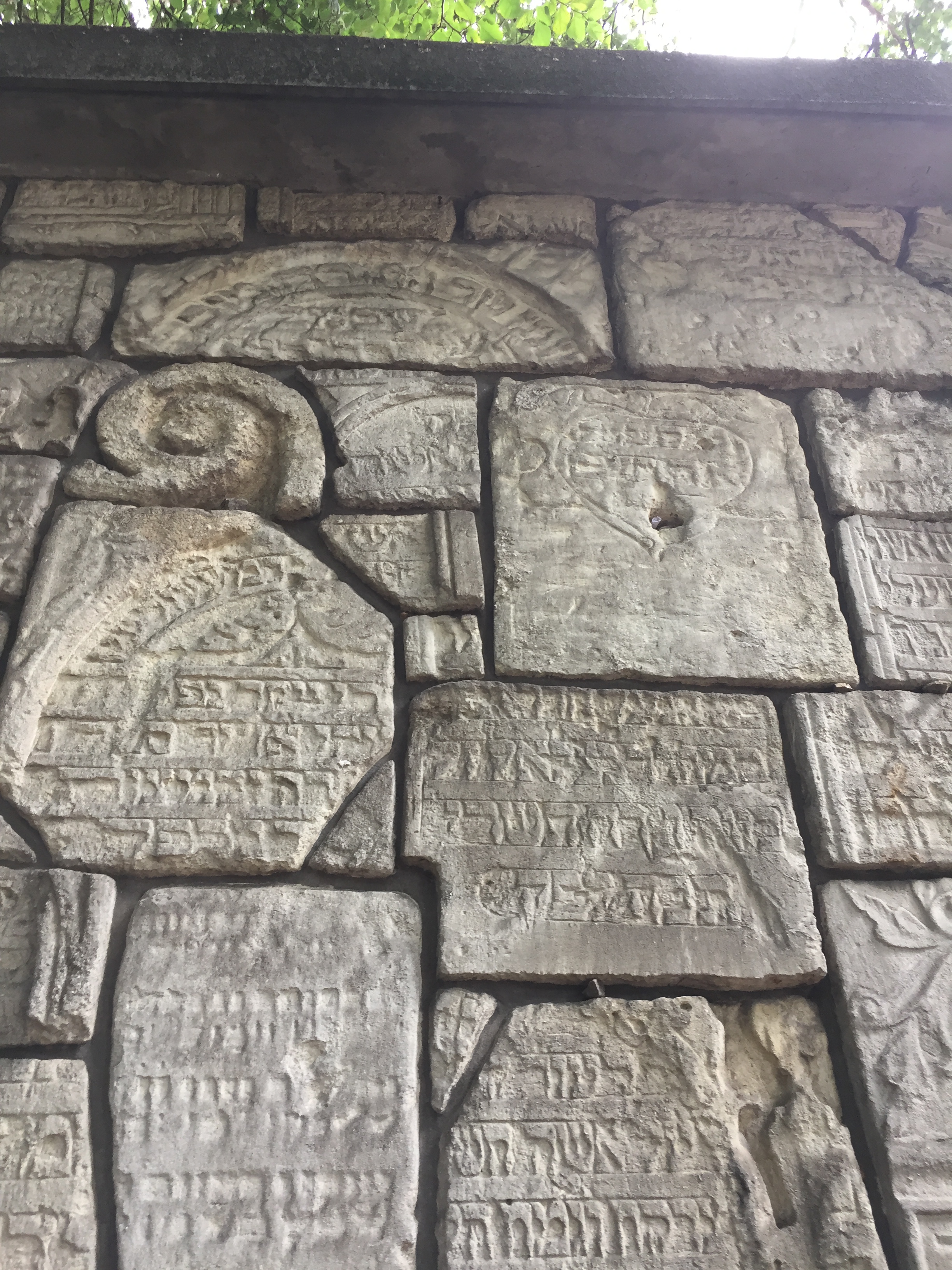
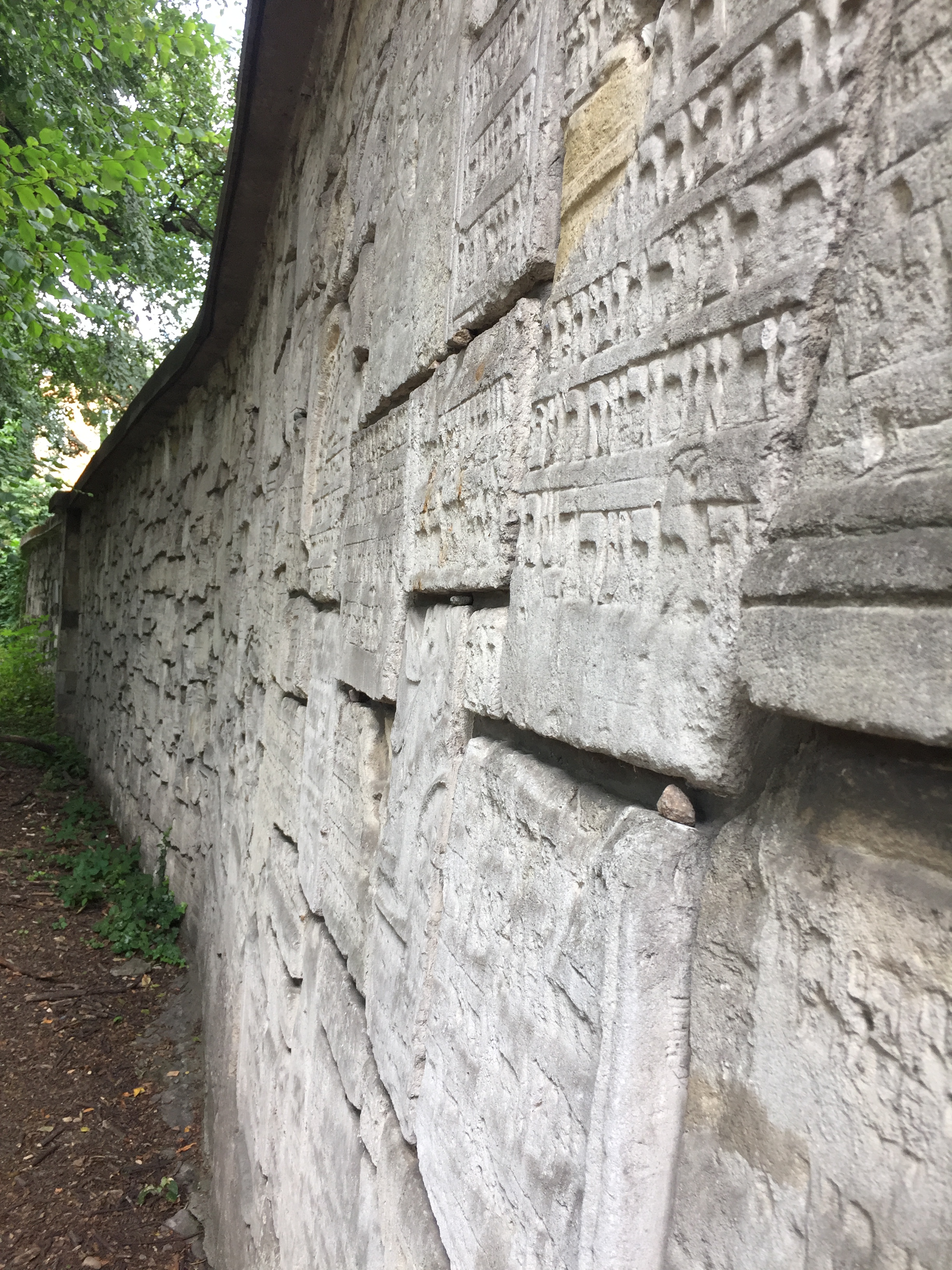
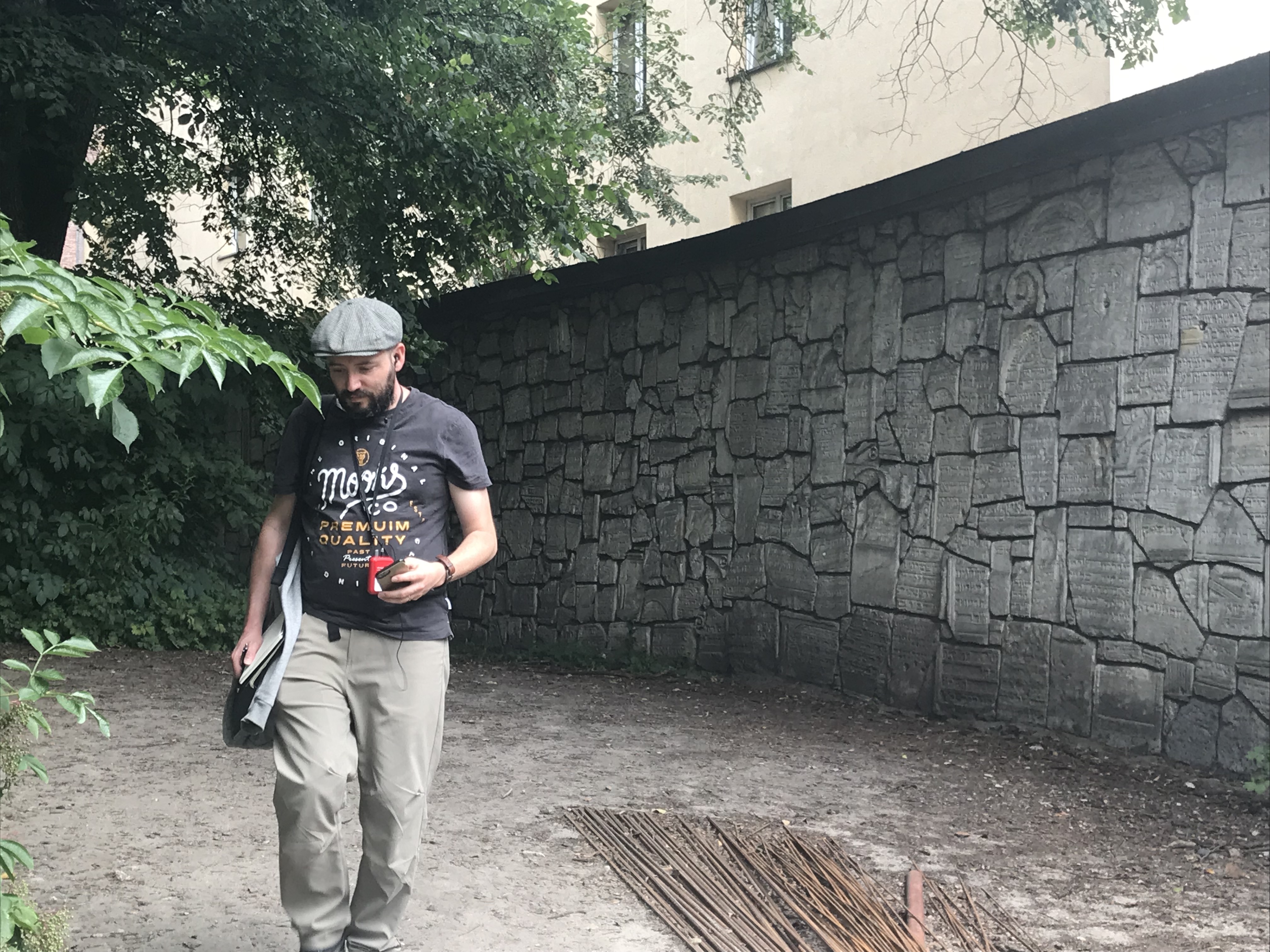
We spent much time gathering around the grave of the Rema himself, and of musing on the fact that it is still intact. Afterwards, some of us took the opportunity to walk through the tall grass to some other gravestones that are also enclosed in a protective metal fence. Before we left, we paid our respects to Kazimierz’s Wailing Wall: a wall of broken gravestones, like the one that we had seen in Kazimierz Dolny a lifetime ago.
Photograph: Simon Holloway
Photograph: Simon Holloway
Photograph: Simon Holloway
Photograph: Simon Holloway
Photograph: Simon Holloway
Photograph: Simon Holloway
Photograph: Simon Holloway
Photograph: Simon Holloway
Photograph: Simon Holloway
Photograph: Simon Holloway
Photograph: Simon Holloway
Photograph: Simon Holloway
Photograph: Simon Holloway
Photograph: Simon Holloway
Photograph: Simon Holloway
Photograph: Simon Holloway
Photograph: Vivienne Goldschmidt
Photograph: Vivienne Goldschmidt
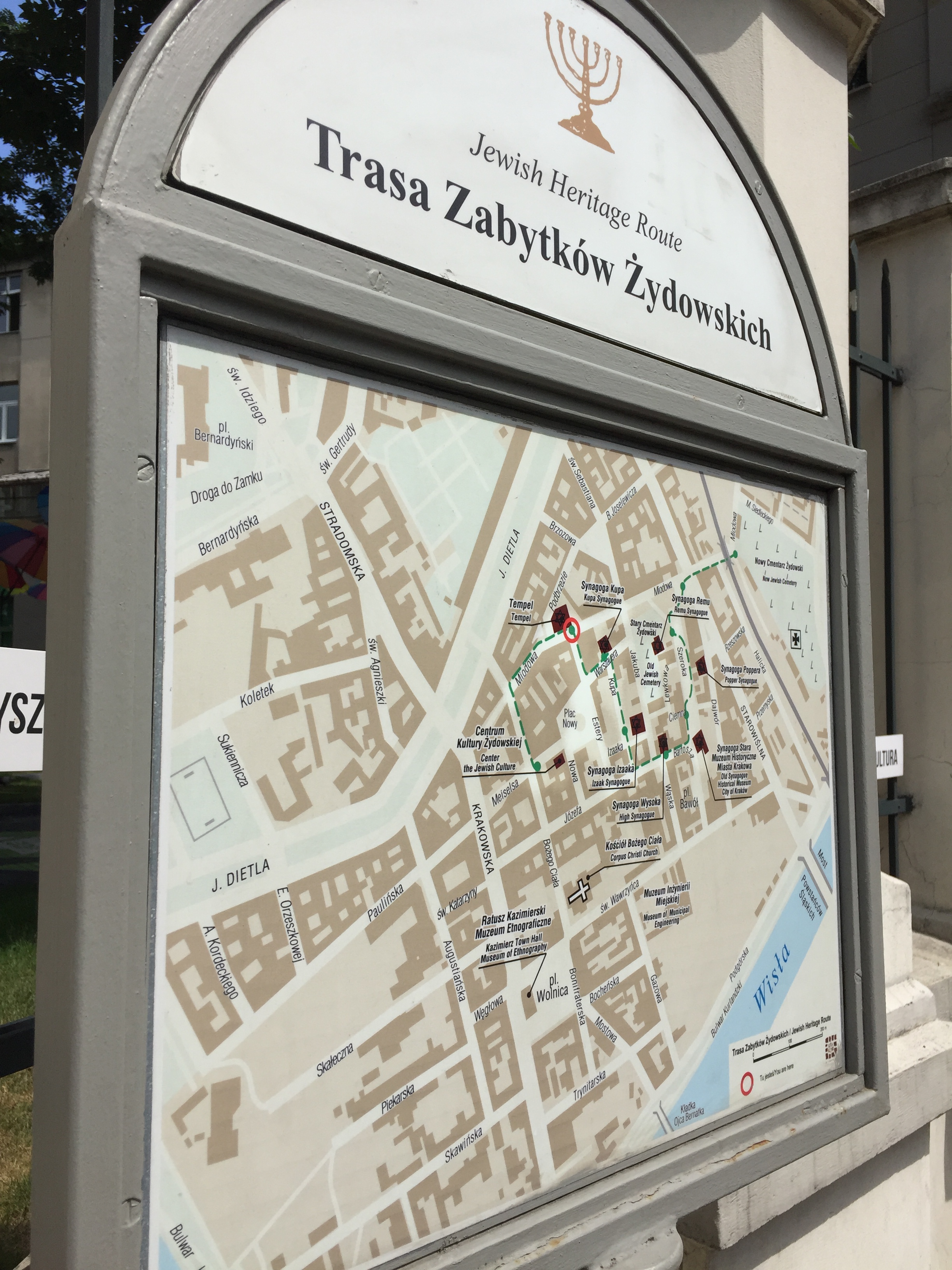
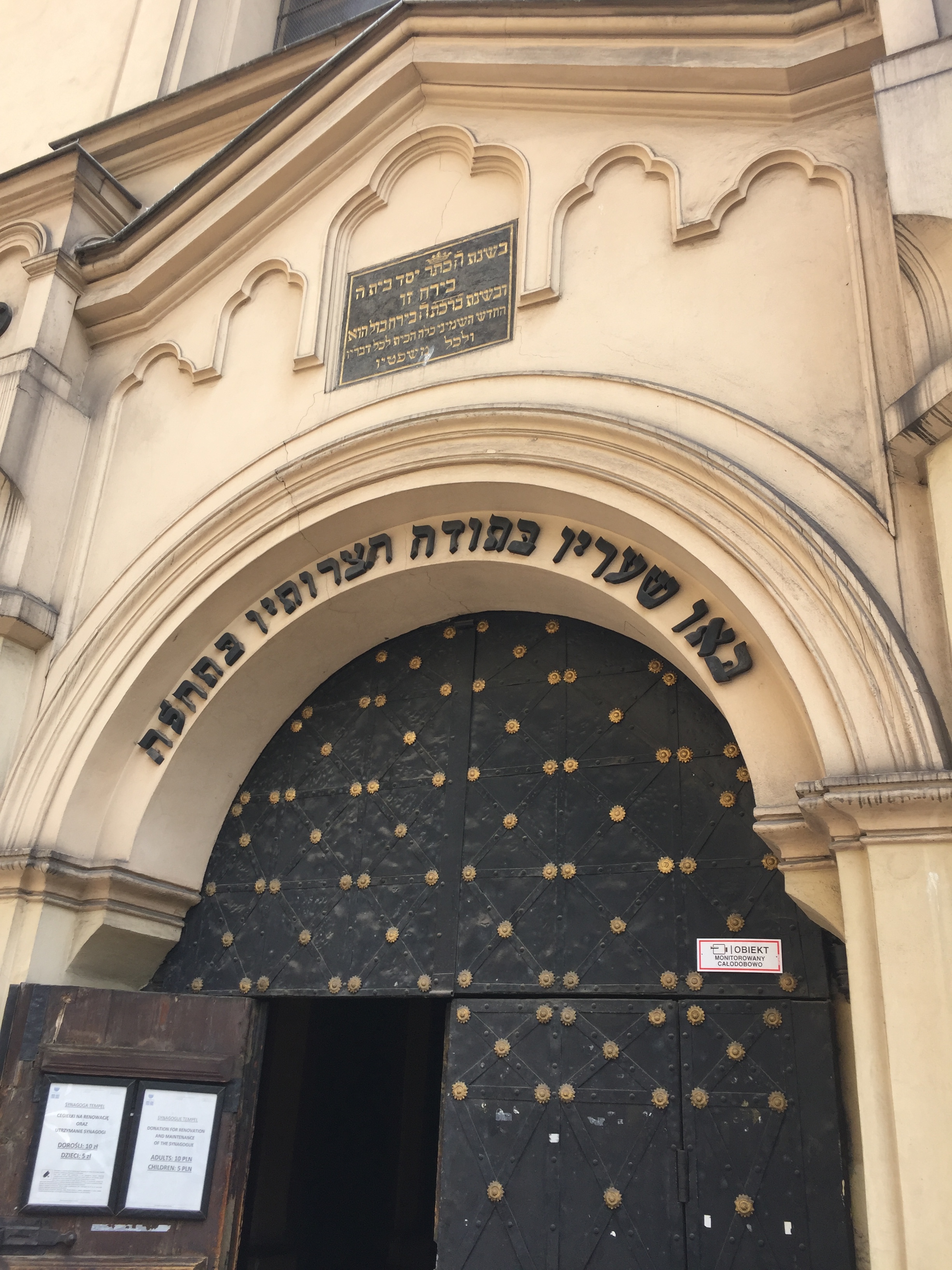
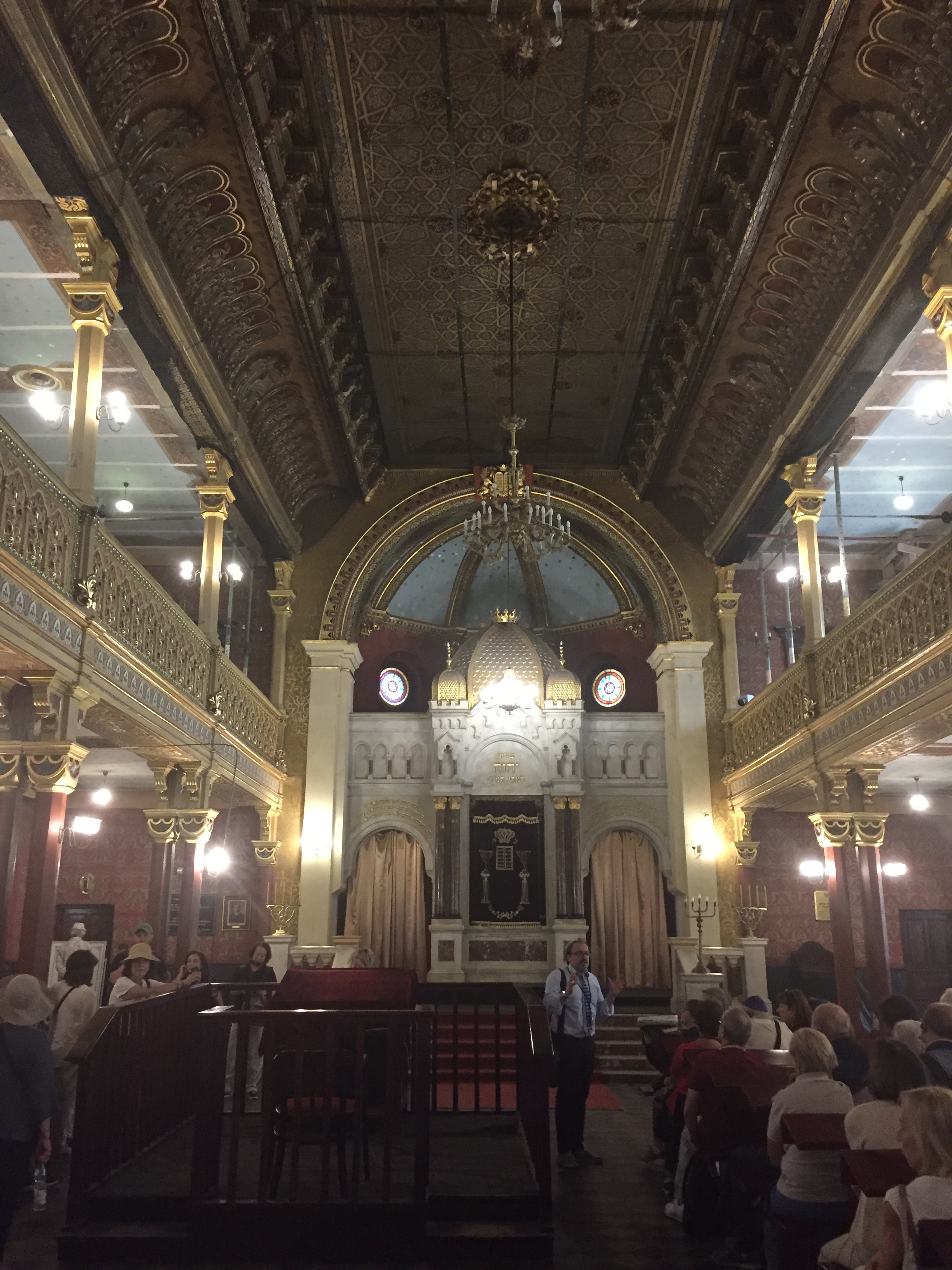
From here, we walked past another Orthodox synagogue, and then to Krakow’s beautiful Reform shul, which was used as a stable during the war but which has since reverted to a praying Jewish community. The difference between this shul and the previous one is striking, for the number of seats is very large and the cavernous interior is well-lit and highly decorative. Services today are led in Polish, but were led in German and in Polish before the war. I wonder how many of these seats get filled on a regular basis?
Photograph: Simon Holloway
Photograph: Simon Holloway
Photograph: Simon Holloway
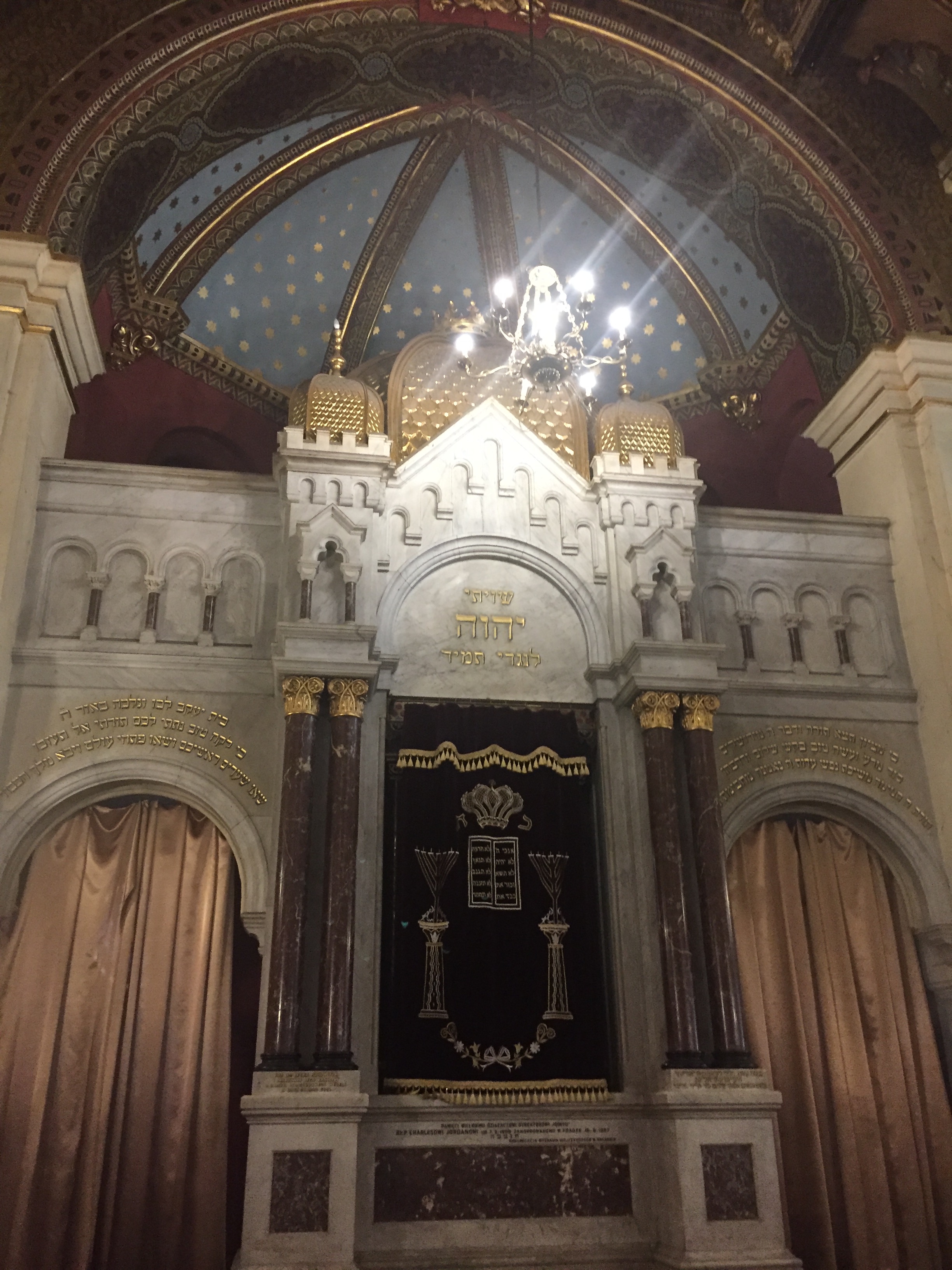
Photograph: Simon Holloway
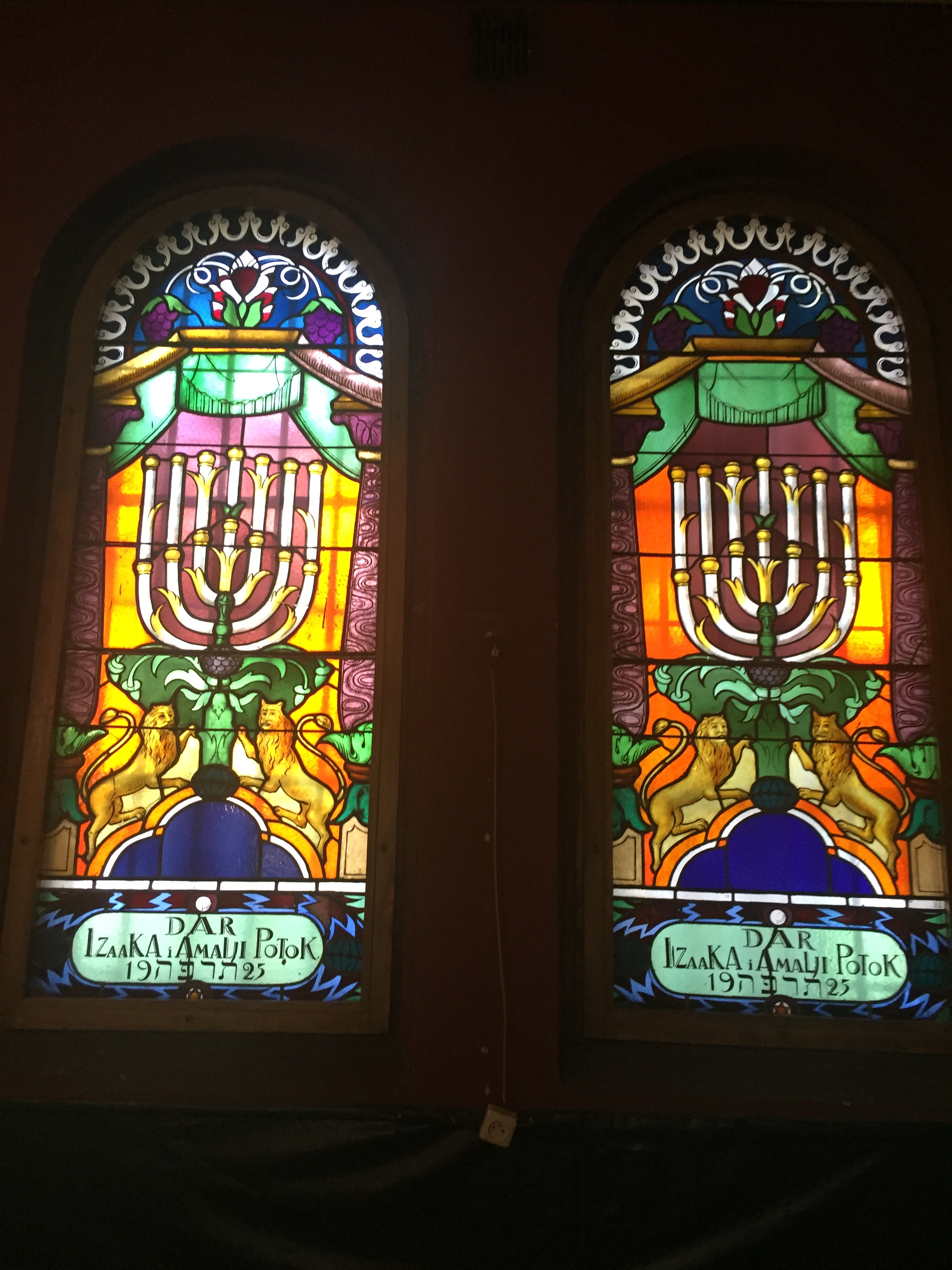
Photograph: Simon Holloway
I am most overawed by the splendour of this building, and also disappointed by the large amount of graffiti. Israeli children, when visiting this synagogue, evidently think it appropriate that they scratch their names and their messages into the pews. It is sad to think that these buildings can endure so much, only to be treated with such disrespect.
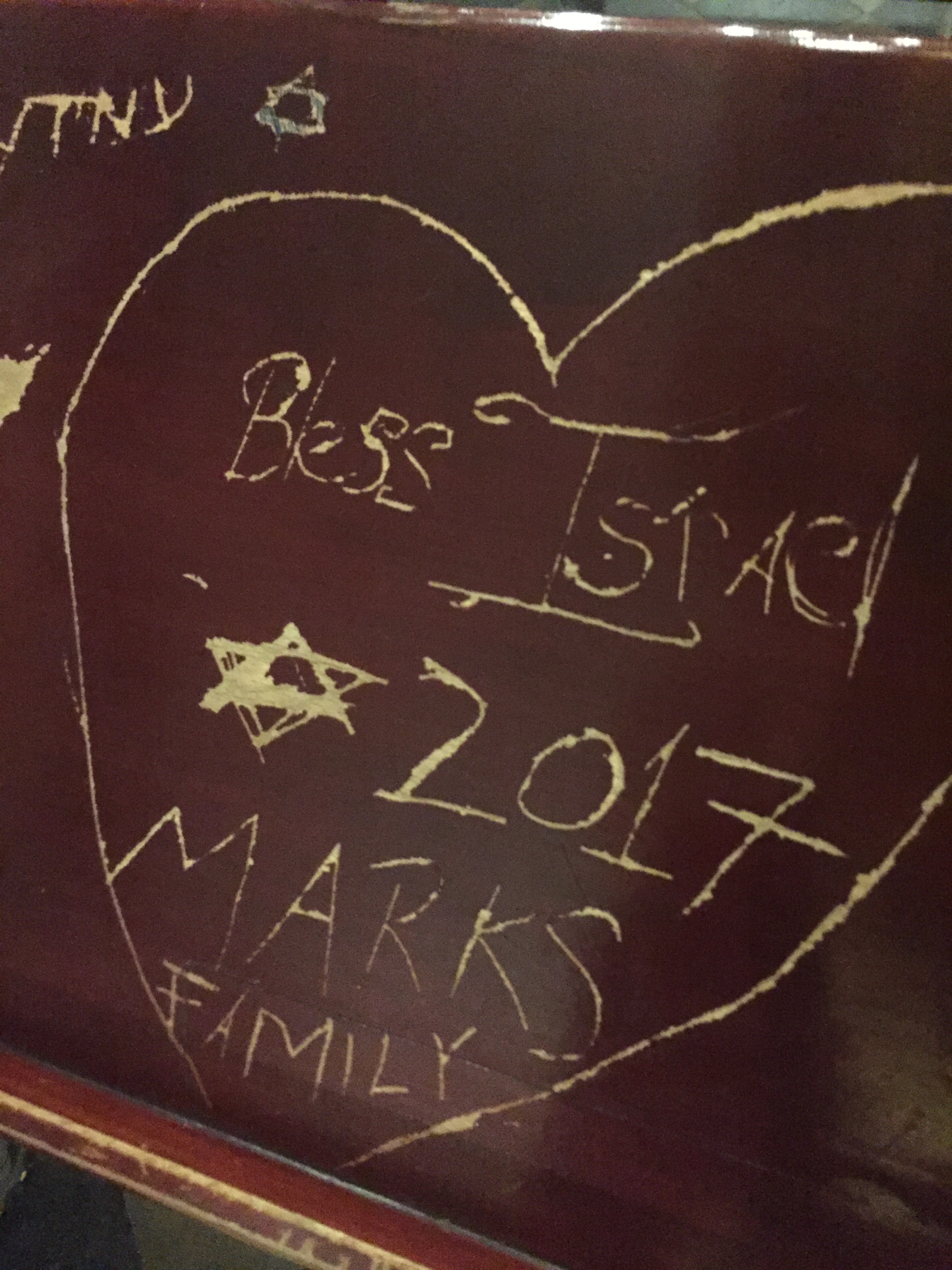
Photograph: Simon Holloway
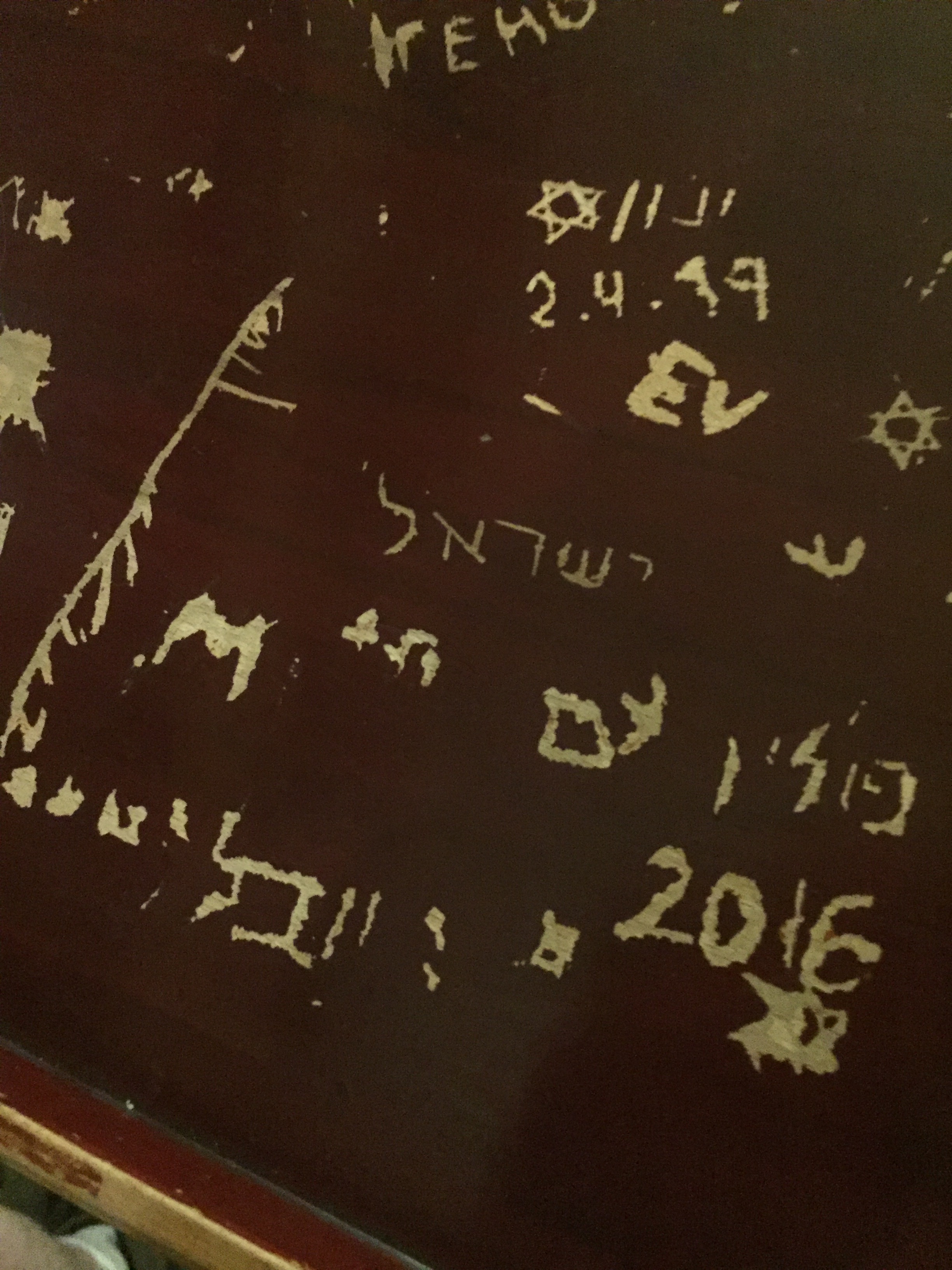
Photograph: Simon Holloway
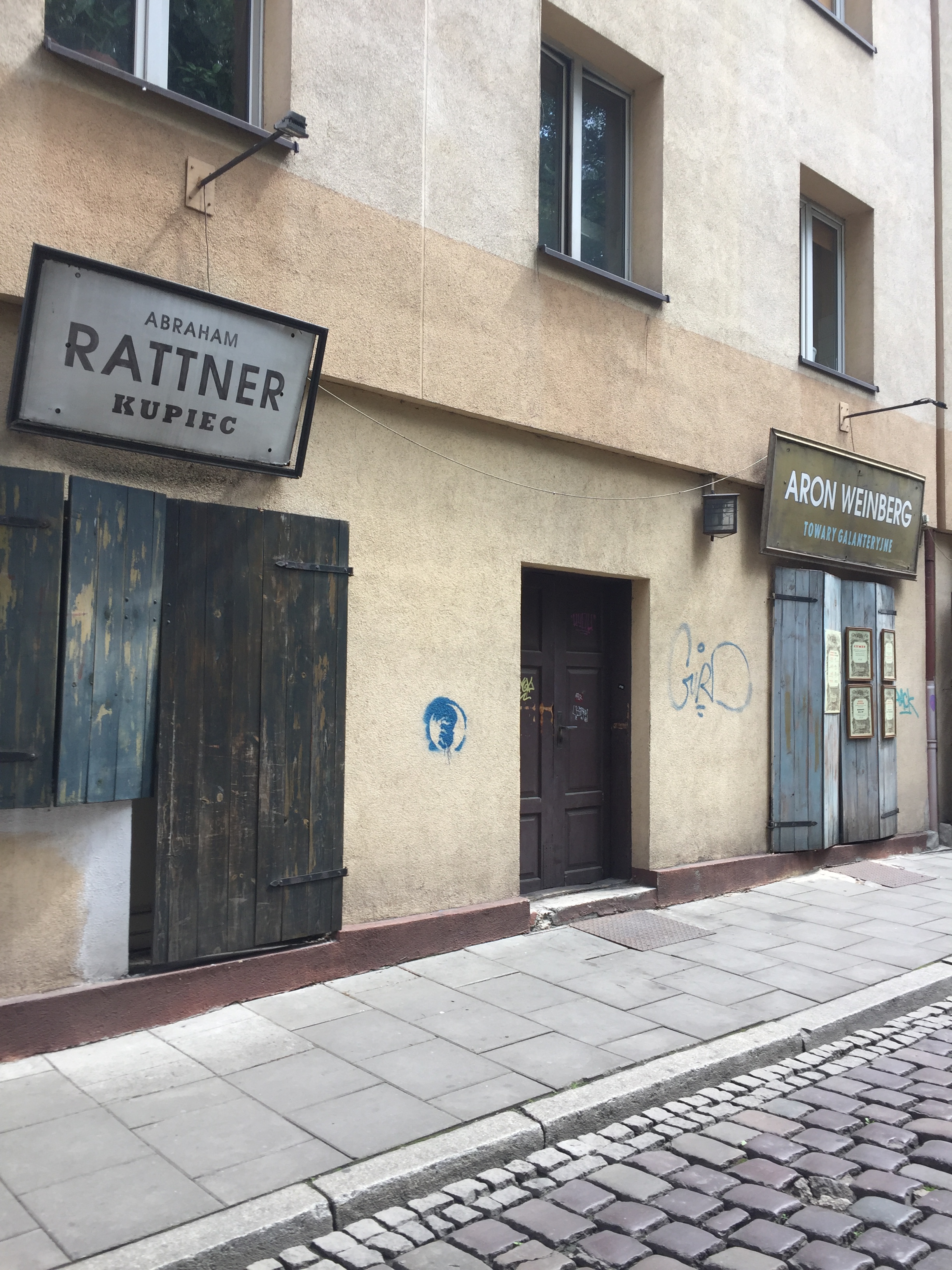
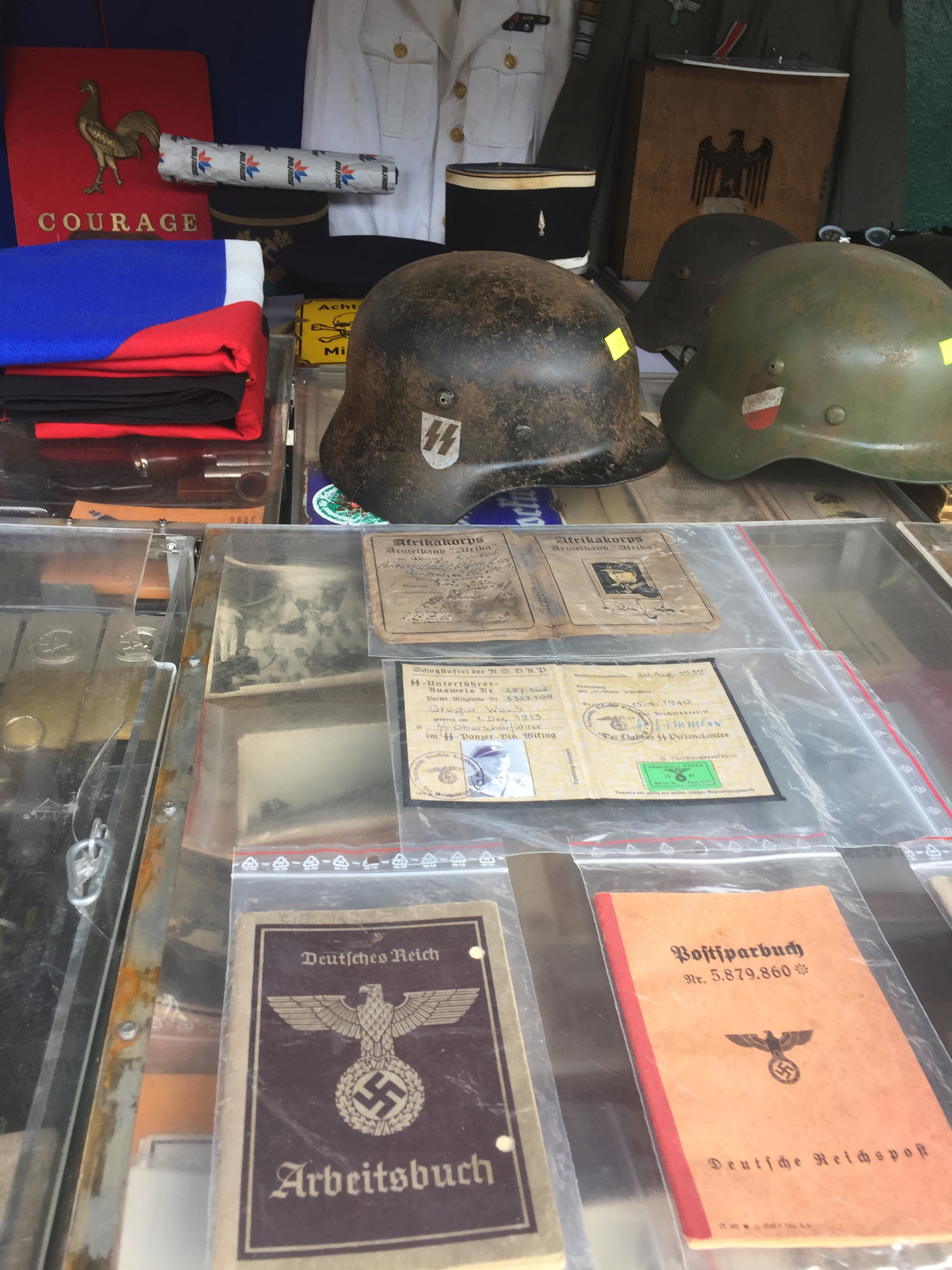
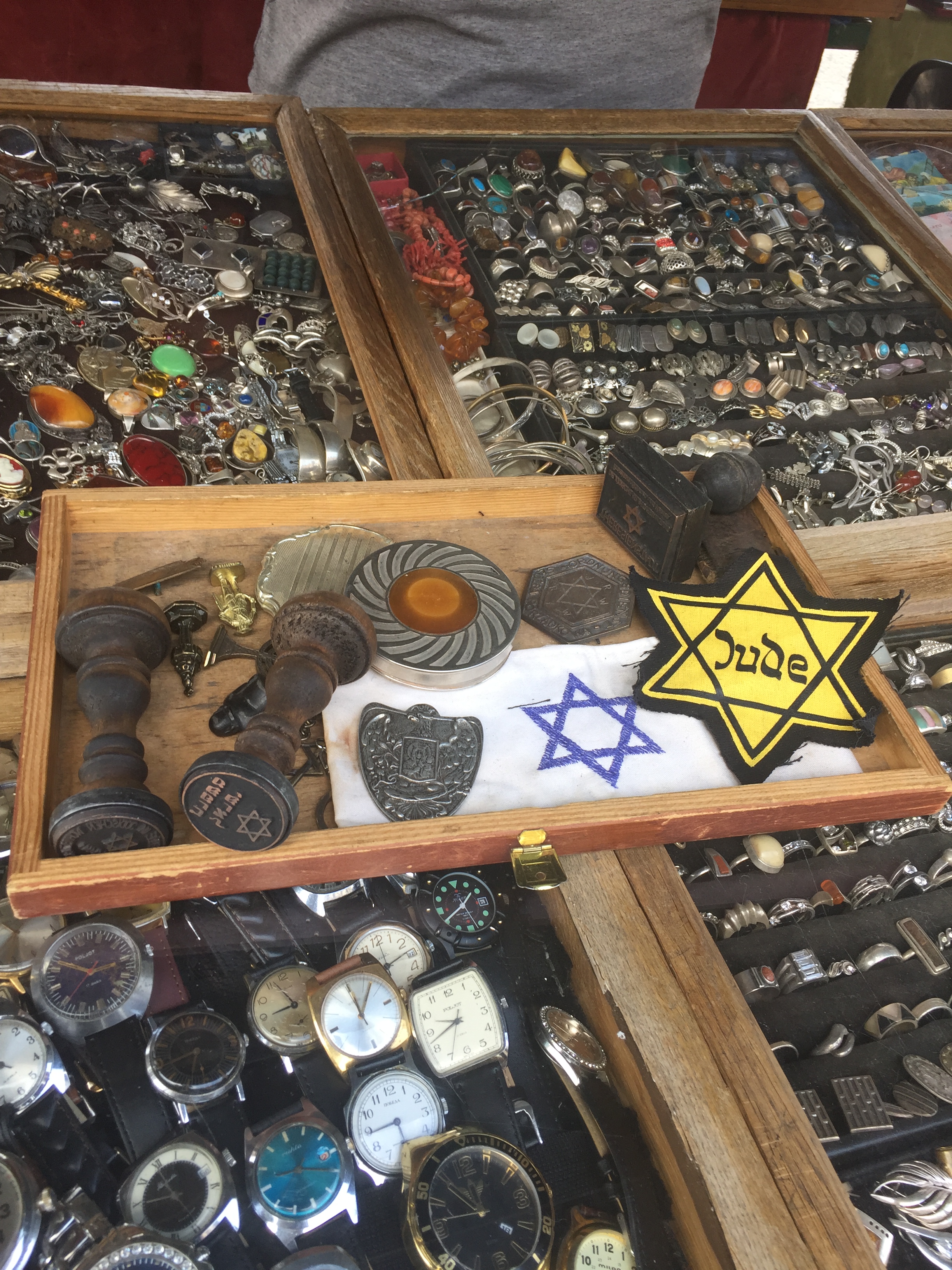
The market square in the old Jewish quarter is the one in which we spend most of our time. The red brick building in the centre was a kosher butcher before the war, and remnants of the functions of other buildings are still visible in faded paint. Today, many of the vendors want to cash in on this past, but while it is easy to find items of a Jewish (or a Nazi) character amongst their wares, booksellers at the market have not a single title in Hebrew or in Yiddish.
Photograph: Simon Holloway
Photograph: Simon Holloway
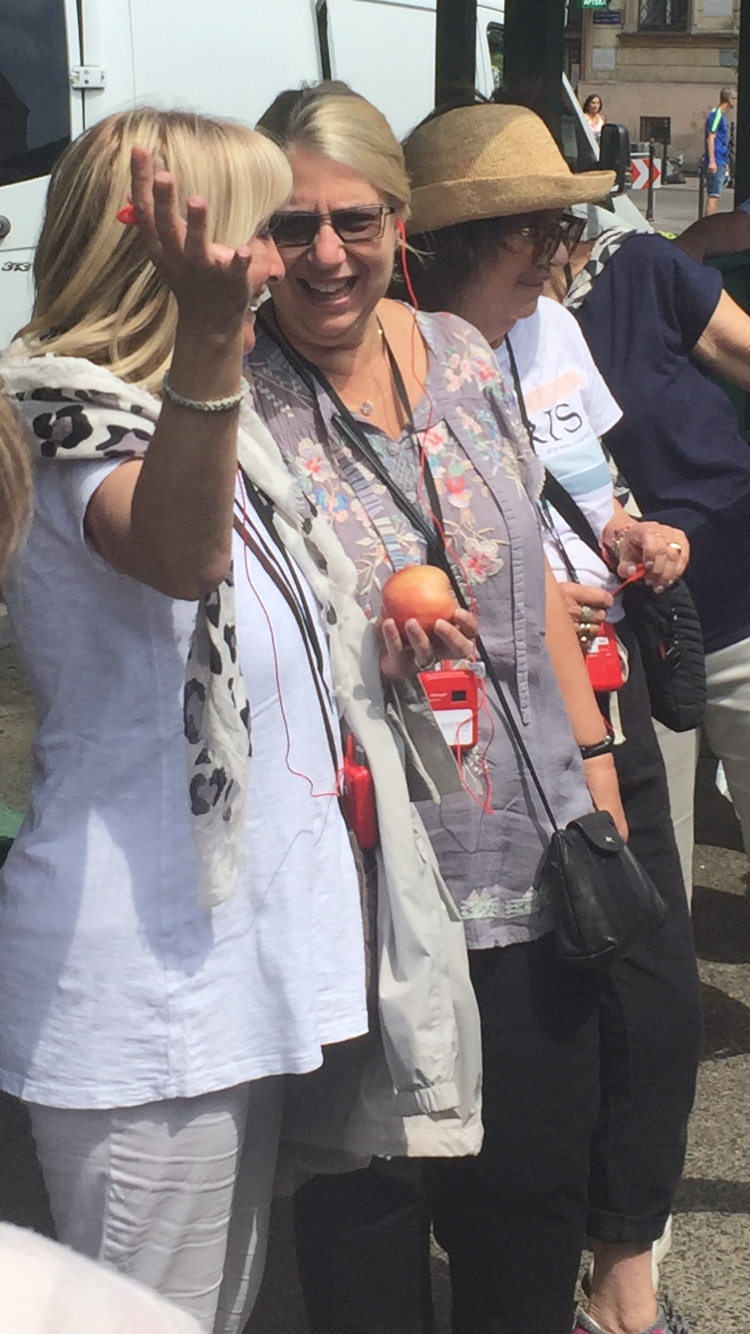
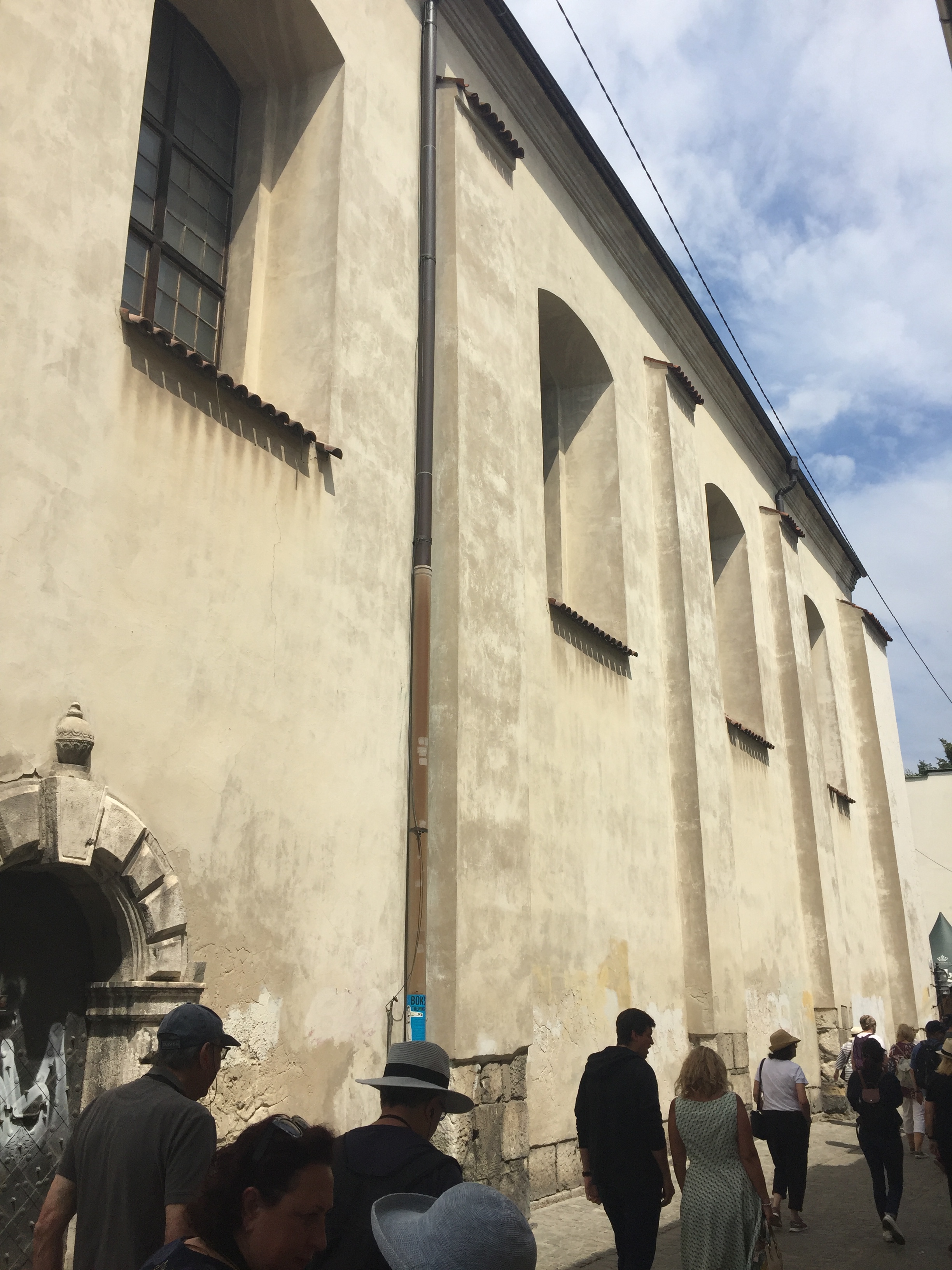
We sing happy birthday to Nikki and eat some chocolate cake, before we each disappear for a good hour-or-so to find lunch, and to explore the immediate environs. I run off to buy myself a new kippah from next door to the Rema shul, and to be disappointed by the range of products at a shop advertising Jewish books. If Jewish history started in September of 1939, the name of their shop would have been more apt.
Photograph: Simon Holloway
Photograph: Simon Holloway
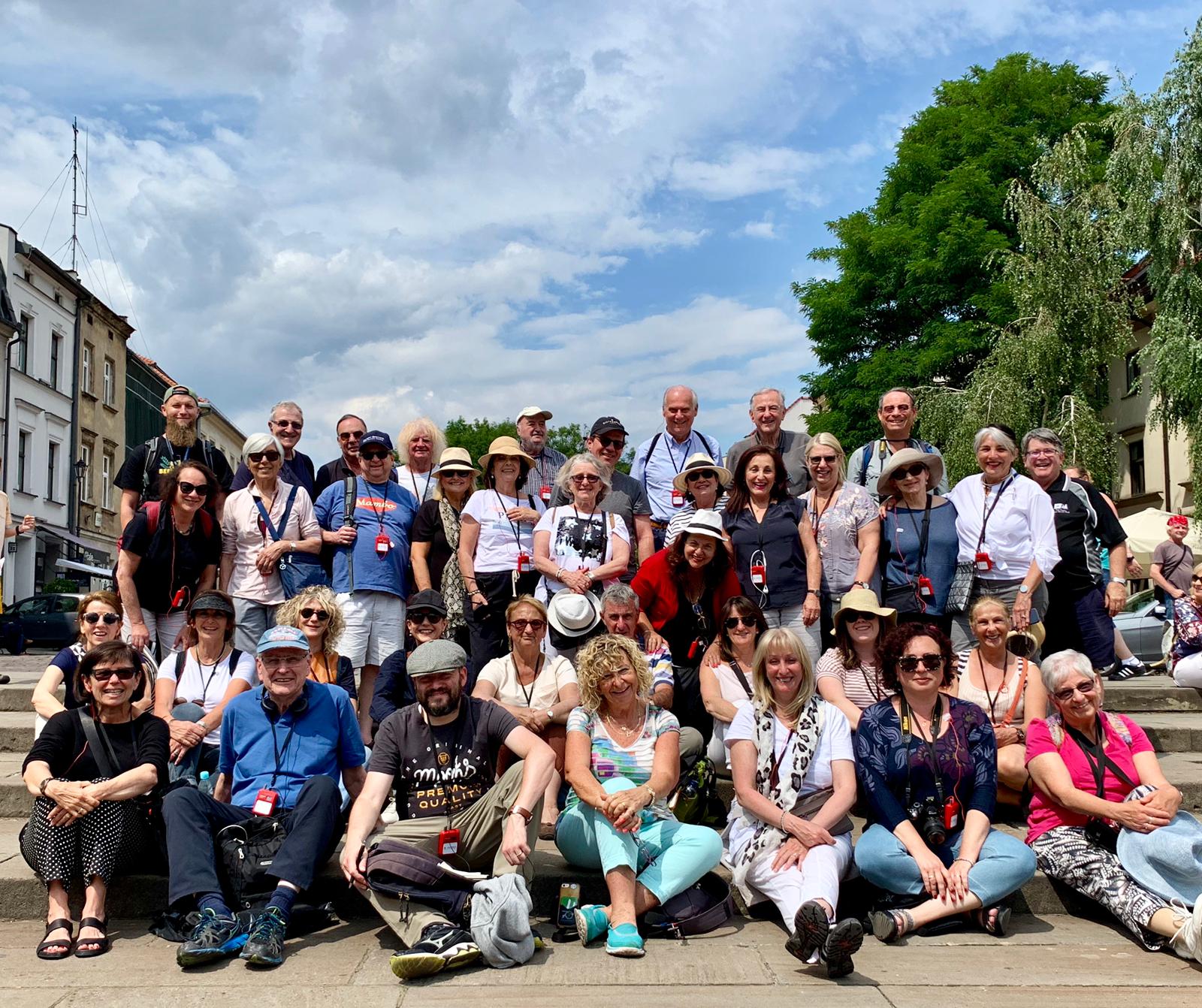
Photograph: A friendly stranger
The curious thing about Krakow’s Jewish community, and something that makes it so different to the communities of Warsaw and Lublin, is that they lived with Nazi occupation for well over a year before moving into a ghetto. They faced a slew of decrees, requiring them to wear an armband, prohibiting them from taking public transport, but rather than being placed into a ghetto, it was the decision of the governor in 1940 that they be driven out of Krakow instead.
Many Jews left, and those with family in outlying regions were particularly fortunate in having somewhere to go to, but they were brought back in 1941 when the decision was taken to concentrate them instead. Within two weeks, 17,000 Jews in those outlying areas needed to move into the district of Podgórze, 3,000 non-Jewish inhabitants of which needed to leave.
That’s 3,000 out, for 17,000 in. All ghettos are crowded, and the Krakow Ghetto was absolutely no exception.
Life within the ghetto was brutal and fraught with terror, but it came to an abrupt and repulsive end over two days in 1943, when SS-Hauptsturmführer Amon Göth liquidated the ghetto on March 13-14. Those who were able to work were taken to Płaszów for labour, while those unable to work were deported to Belzec, or murdered in the streets.
It is gratifying to learn that when Göth was hanged at the end of the war, he was hanged three times in succession, since the rope was too long and his feet kept landing on the ground. To make this mistake once, Fil observes, it can be an accident. To make it twice suggests that they were tormenting the man. I can think of few people who deserve such torment more.
While wandering, we encountered more crimes of the SS. Alighting upon a memorial to the children and carers of the ghetto orphanage, we learned of how they were murdered before the liquidation of the ghetto, at the end of 1942. On October 28th of that year, all 200 children, together with those teachers who refused to leave them, were removed from the premises. Children under the age of 3 were shot in an unknown location, while the rest were taken to Belzec.
There are no words to describe a person’s capacity for such viciousness.
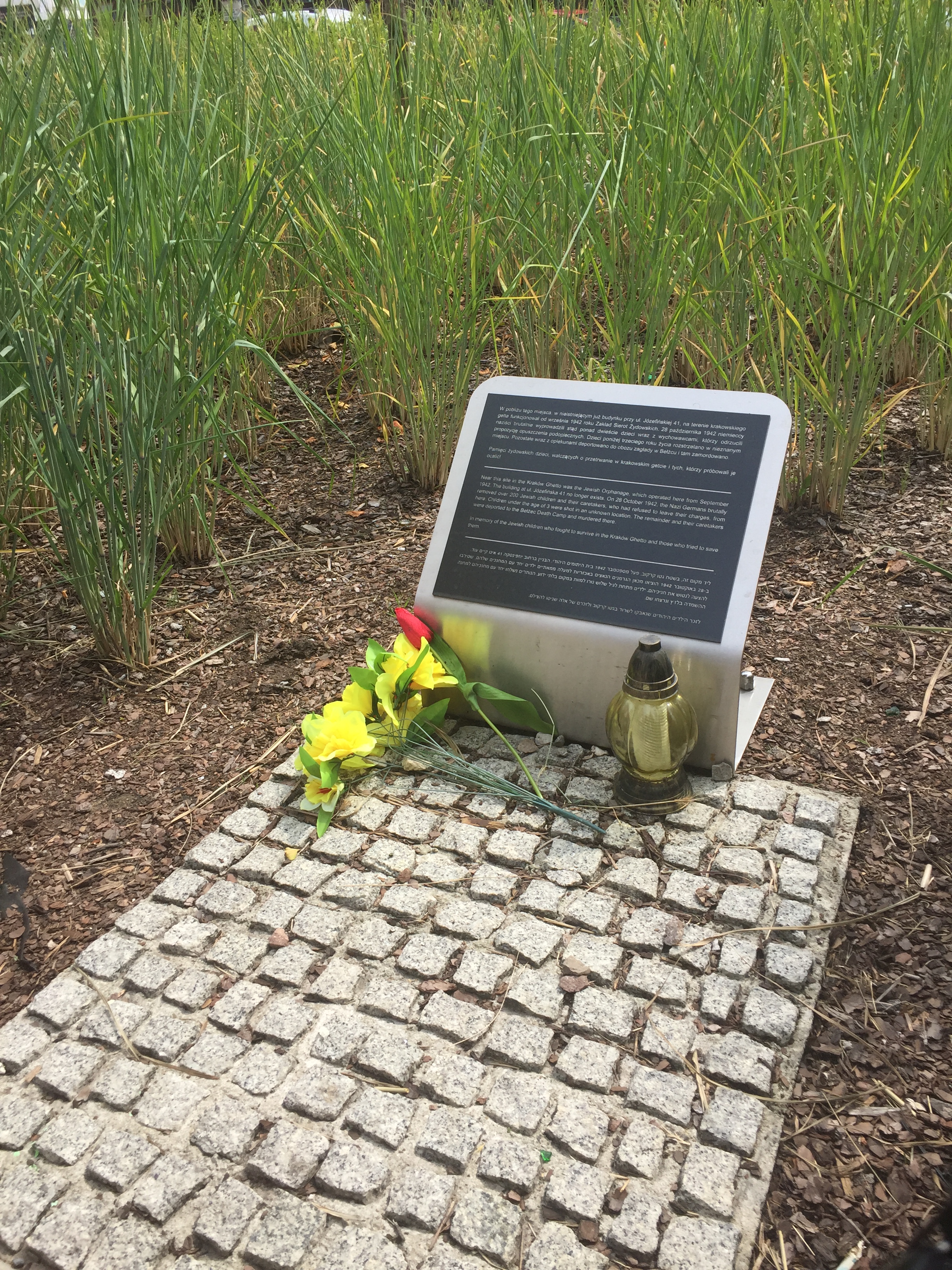
Photograph: Simon Holloway
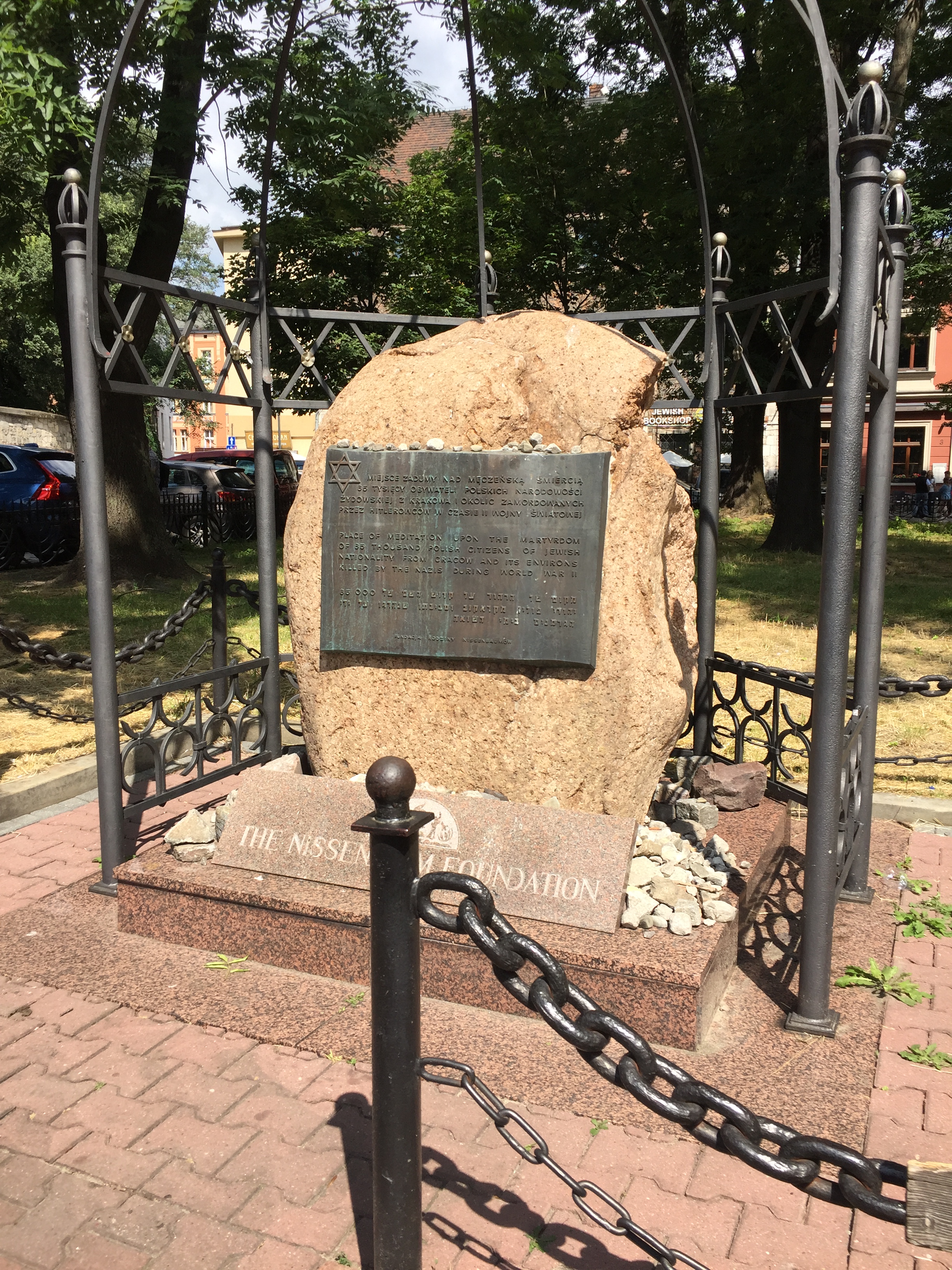
In the square, a monument exists to “the heroes” of the ghetto. Taking the form of sixty-five chairs, to remember the 65,000 Jews who had lived here before the war, it is an interactive space. Visitors and residents are encouraged to sit in the chairs, and some are even placed at bus and tram stops for that purpose.
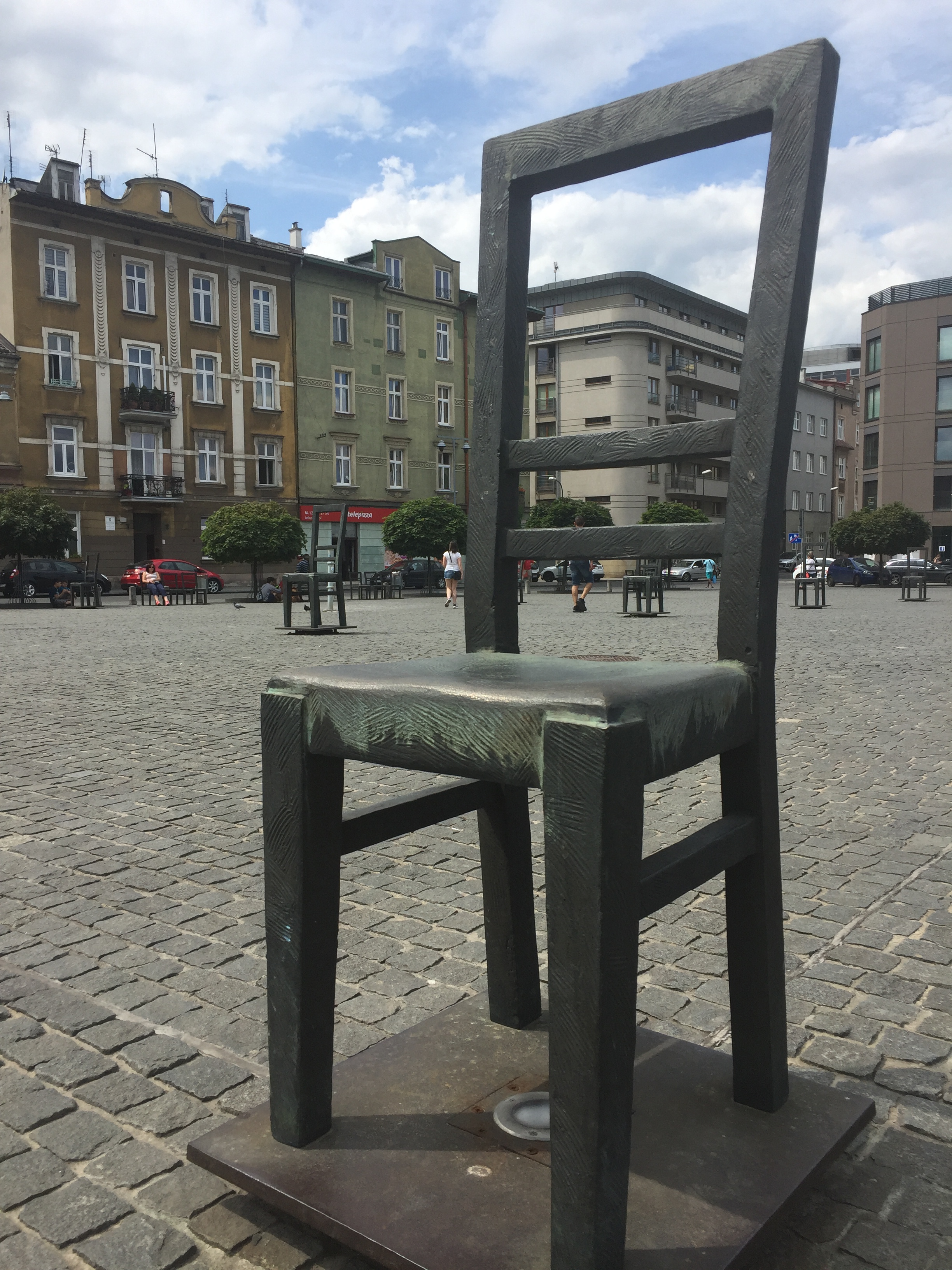
Photograph: Simon Holloway
I look at them and I feel giddy. If you could somehow put a thousand people on each one of these chairs, that incomprehensible throng would represent the totality of what we lost in this one city alone.
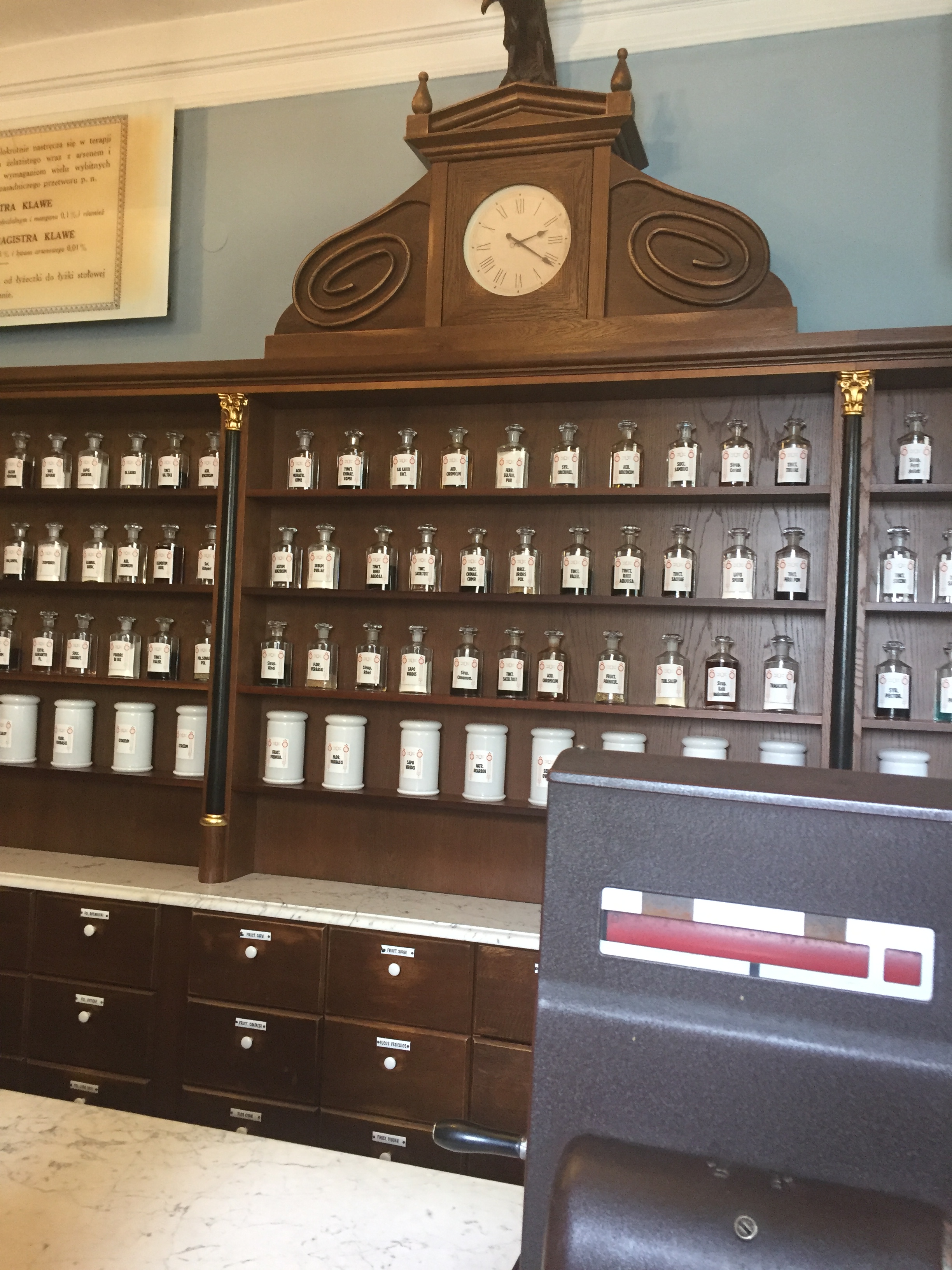
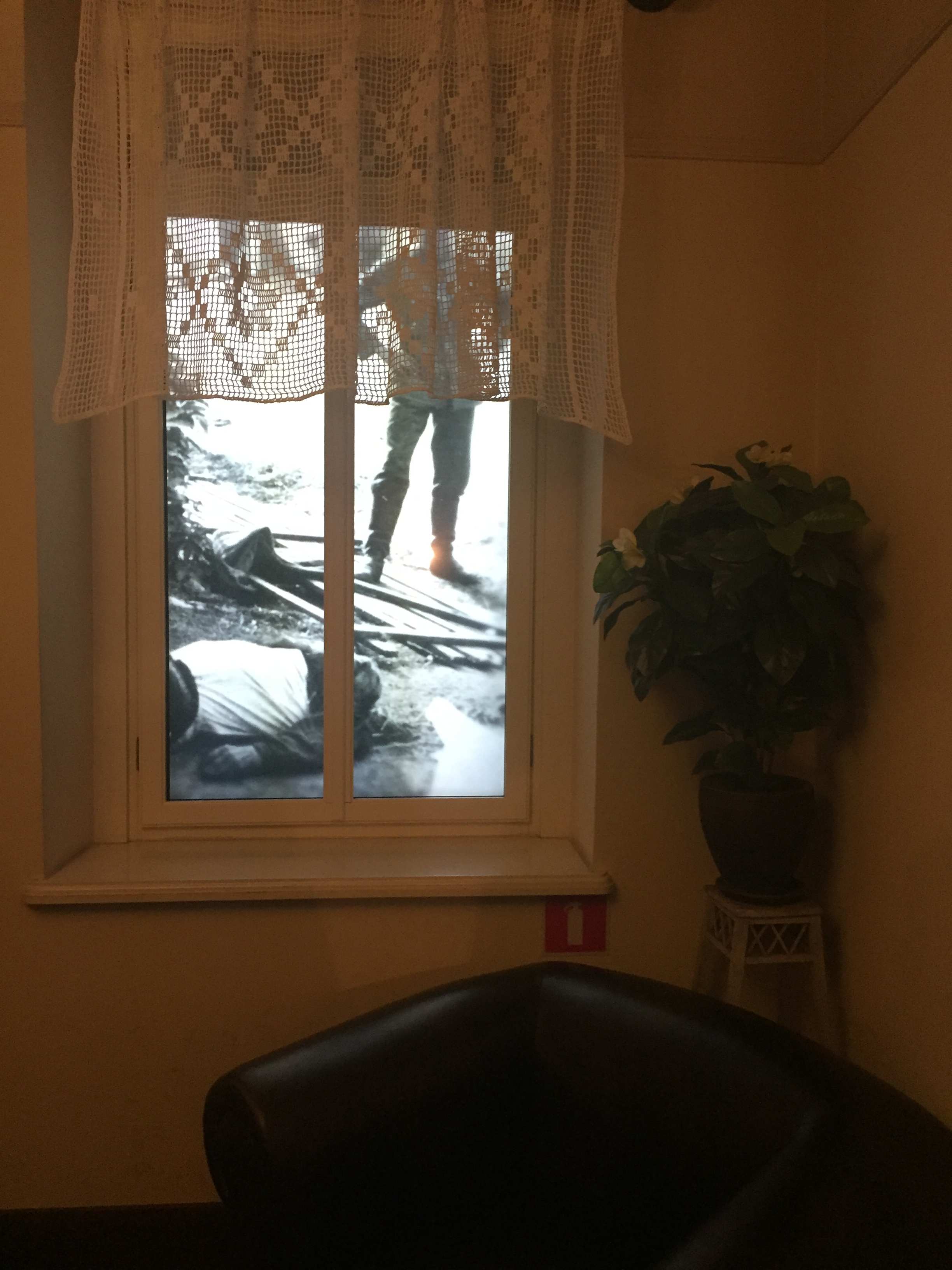
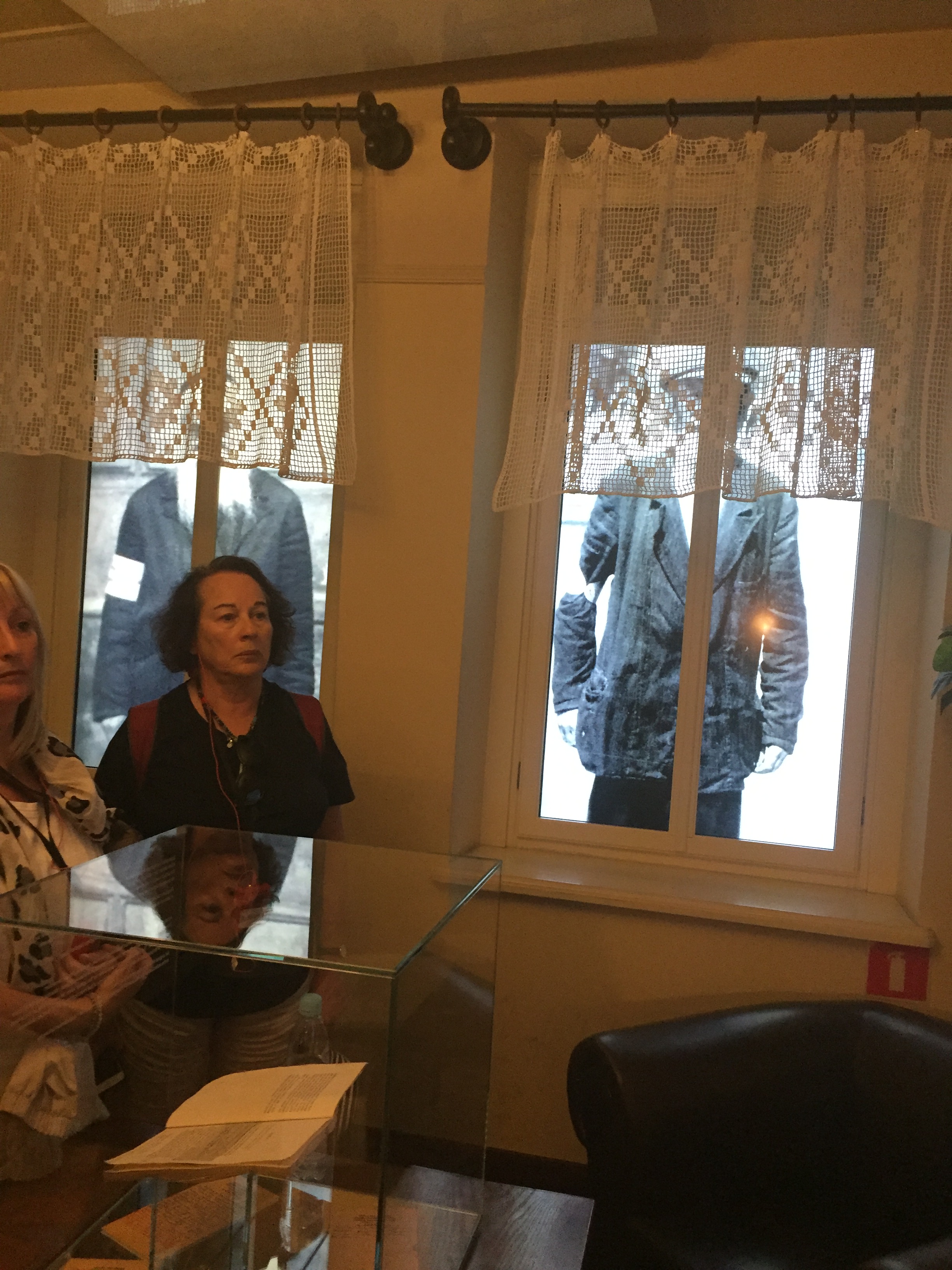
The motivation for this stirring memorial space, which was erected only a little more than ten years ago, was a line near the end of a book called “Krakow Ghetto Pharmacy”. Written by a non-Jewish pharmacist who was allowed to operate his business within the ghetto – a man named Tadeusz Pankiewicz – it describes the look of the ghetto after the liquidation. In terms reminiscent of Roman Polanski’s depiction of the Warsaw Ghetto, post-deportation, in The Pianist, Pankiewicz describes the empty furniture strewn about the street.
So far as Polanski is concerned, he was of course a native of Krakow and a survivor of the Krakow Ghetto. A little later in the day, when we pause by a remaining segment of the Krakow Ghetto wall, we take some time to consider the impact on Polanski’s work of the trauma that he had endured as a young man. It is curious, Fil muses, just how many of his productions feature the theme of claustrophobia, given his experiences hiding between roundups in the ghetto, or in the countryside after his escape.
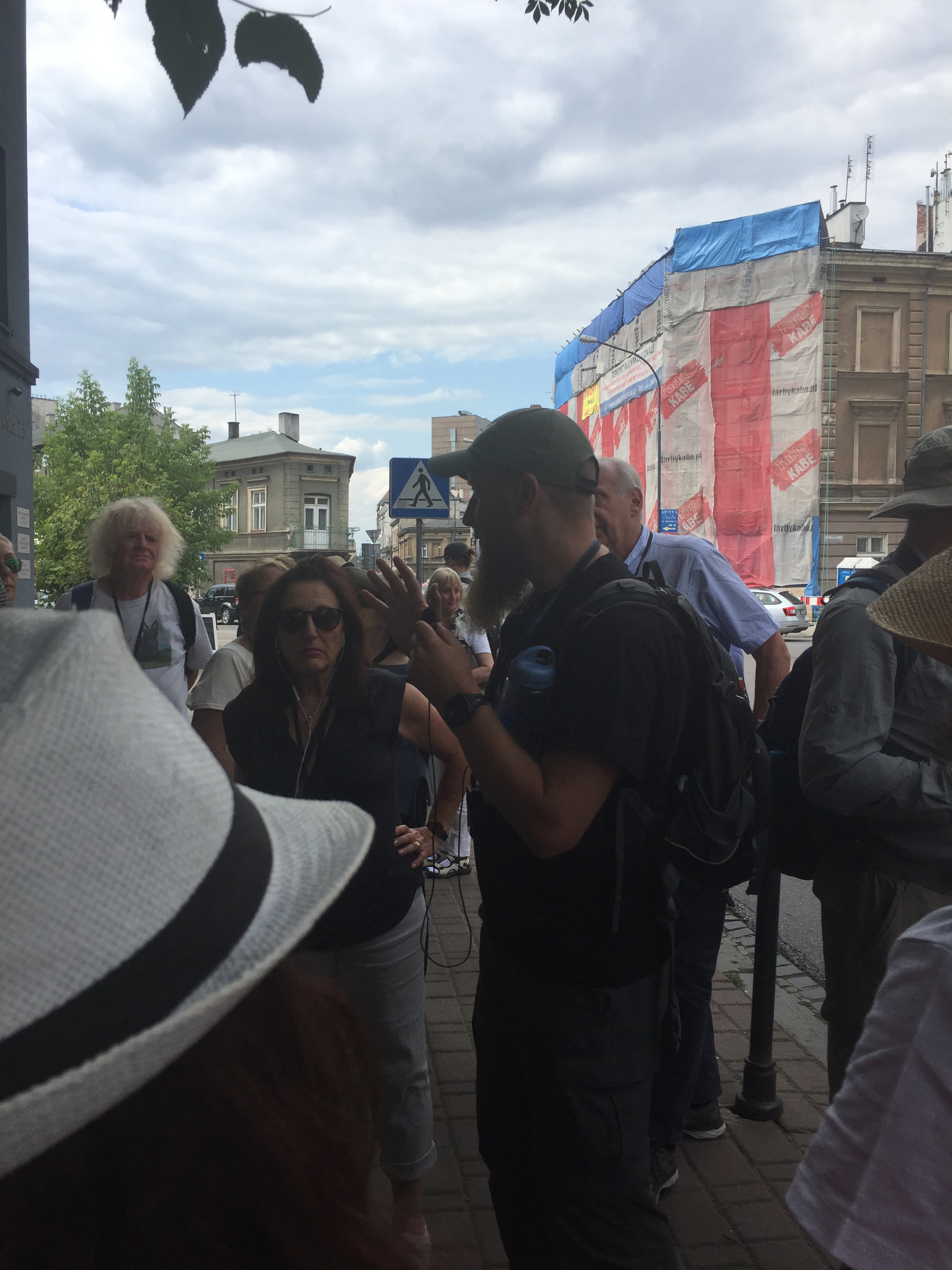
Photograph: Simon Holloway
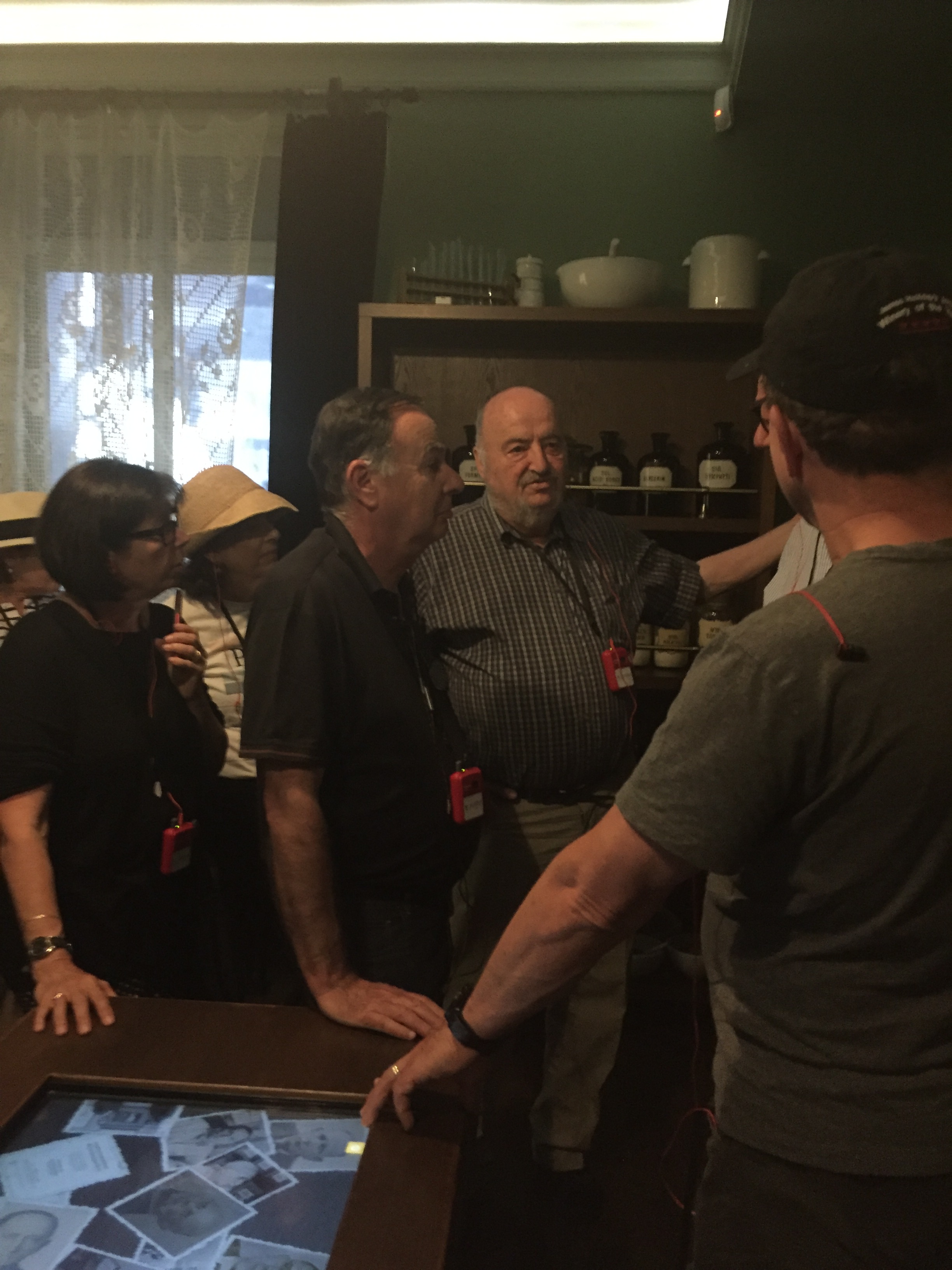
Before we leave this part of the former ghetto, to make our way by foot to the factory of Oskar Schindler, we pause in a thoroughly compelling museum, erected to honour the memory of that pharmacist, Tadeusz Pankiewicz. Honoured with the title of Righteous Among the Nations, Pankiewicz (who died in the early 1990s) did much to assist those Jews amongst whom he lived, and much to help salvage objects of Jewish significance.
Photograph: Simon Holloway
Photograph: Simon Holloway
Photograph: Simon Holloway
Photograph: Simon Holloway
The work of people who risked their lives to help Jews has been something of a theme in this tour, and it’s an important one. It is fitting that we should take the time to also honour one of the more controversial of those figures, if only because the production of the film that was responsible for popularising him also resulted in such an enormous increase in tourism to this city.
It’s only a short walk from where we are standing (the ghetto, itself, having been so small), and outside of what were once the ghetto confines. Today, the factory is in use by the Museum of Contemporary Art in Krakow (MOCAK), but the offices next door to them are unchanged, and so recognisable from those scenes in Spielberg’s film in which they are shown from the street.
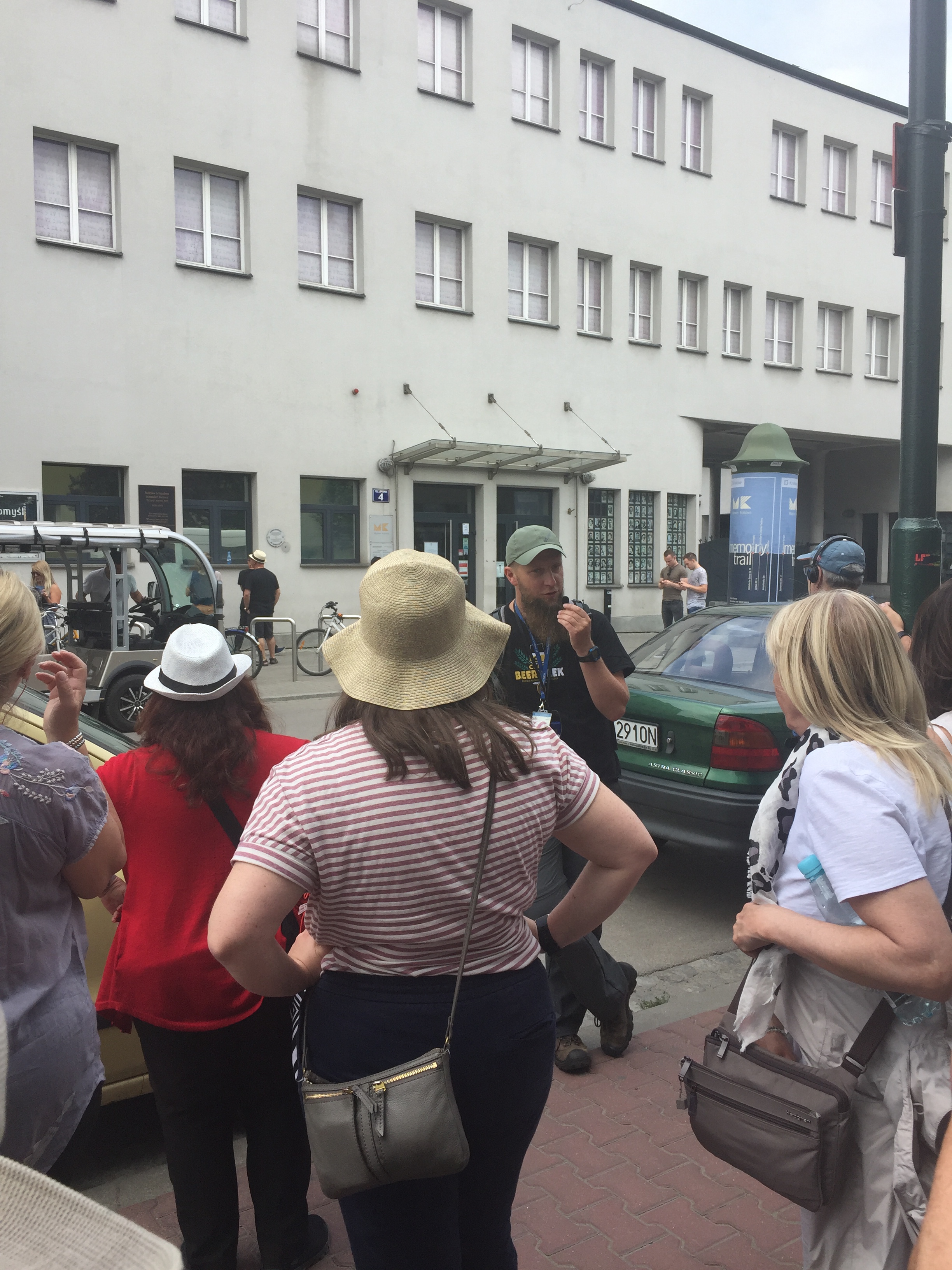
Photograph: Simon Holloway
Schindler is a complex character. Aside from the fact that he was a card-carrying (or, at least, pin-wearing) member of the Nazi party, he was also a terrible womaniser, heavy-drinker and obsessive gambler. In the words of Holocaust survivor, Leopold Pfefferberg, who presented Schindler’s story to Australian novelist Thomas Keneally, Oskar Schindler was “the all-drinking, all-screwing, all-black marketeering Nazi. But to me he was Jesus Christ, Oskar Schindler.”
Buried today on the Mount of Olives in Jerusalem, Fil observes that Schindler can lay claim to being the only member of the Nazi party buried in Jerusalem, who wasn’t kidnapped by the Mossad first. And I cannot help mentioning it, but the fact that Schindler could so clearly have gone “the other way” (he in fact commenced his career in Czechoslovakia preparing the groundwork for the German invasion) is expressed by Fil most poignantly. He became Luke Skywalker, he tells us. Not Annakin Skywalker.
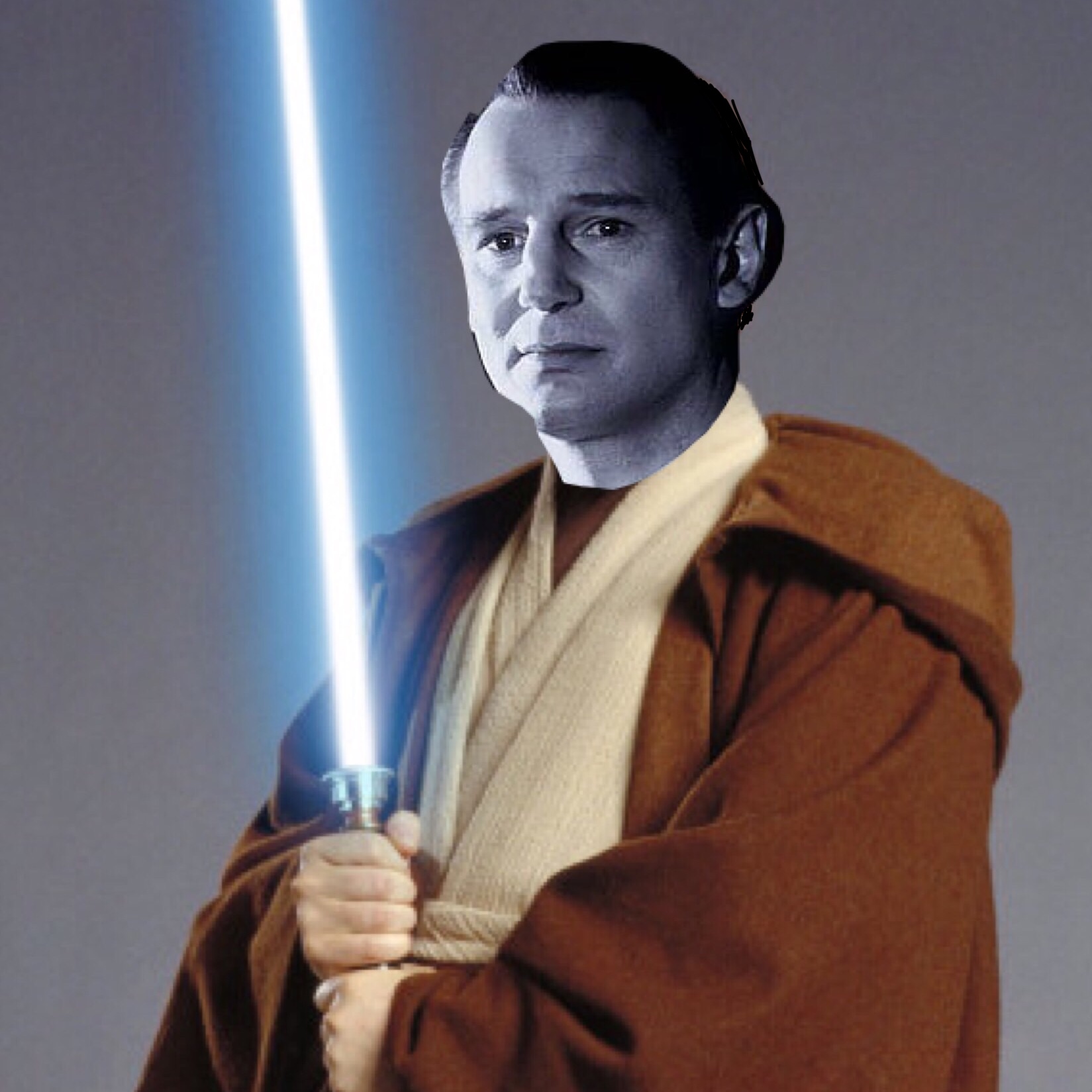
Image: Simon Holloway
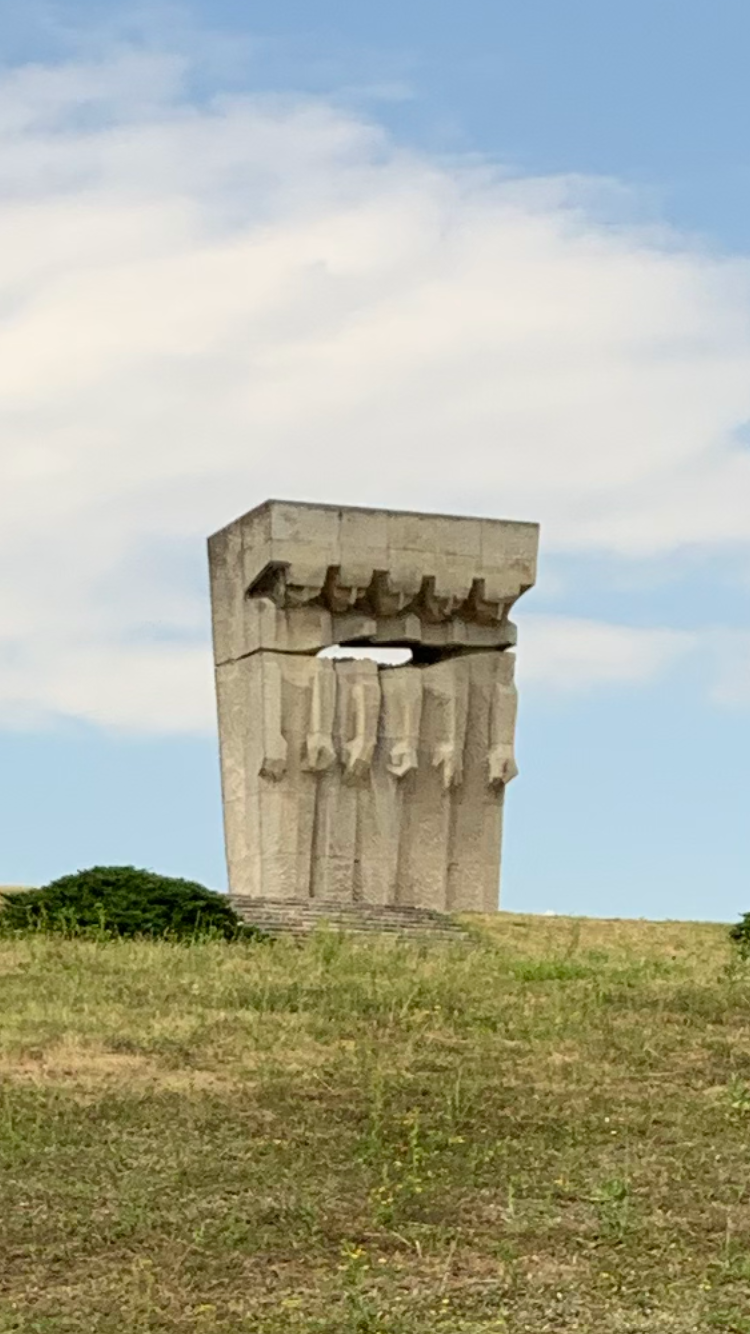
As we drive to the Jewish Community Centre (JCC), I find myself lost in thought. It is hard to imagine these pretty streets as they must have looked in 1941. The filth and the terror, the violence and the fear: these are all so foreign to the Krakow of today. But just how foreign we were about to discover.
Photograph: Howard Wolfers
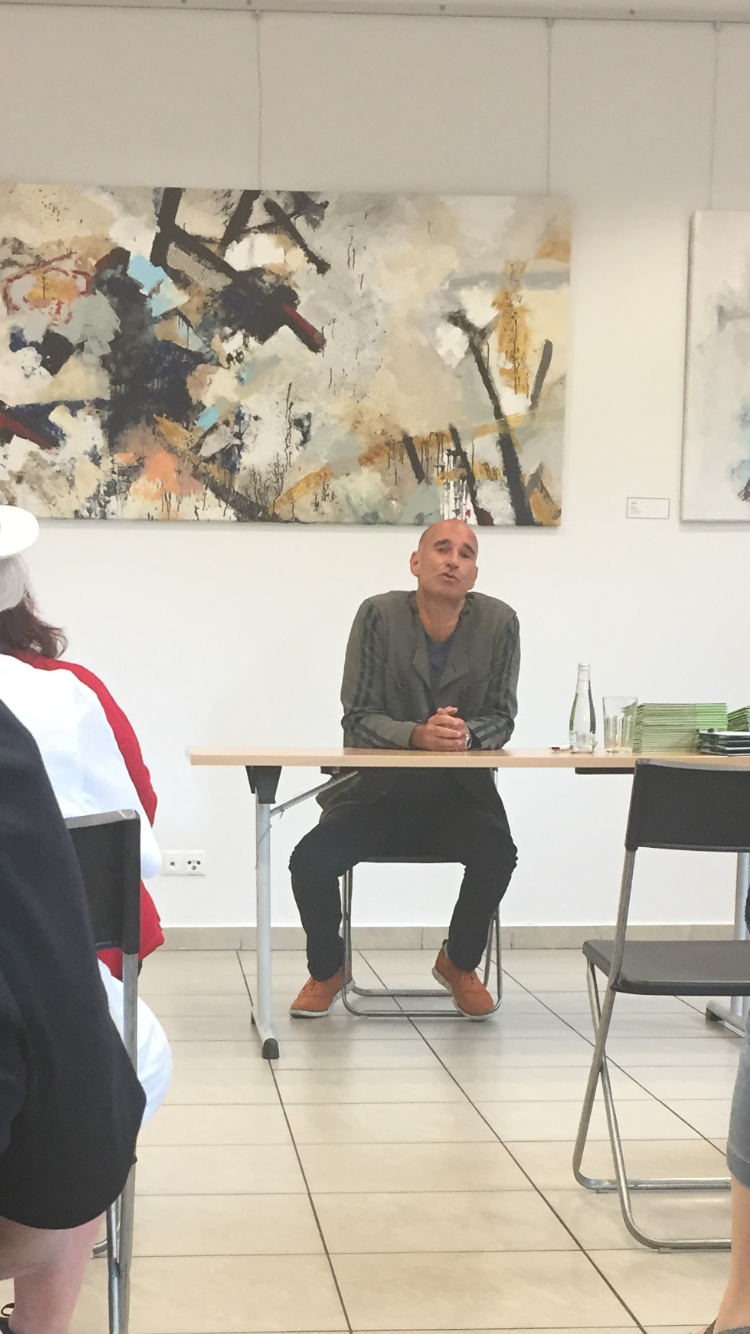
Jonathan Orenstein, the Director of the JCC and the vice-president and co-founder of their interfaith initiative greets us, presents us with an overview of his institution’s work, and is hit with a barrage of questions. He is charismatic, entertaining and – above all – inspiring. It is a most excellent way to bring our journey towards a close.
Photograph: Simon Holloway
Jonathan contrasts Jewish life in Poland with Jewish life in Germany. In Germany, the reconstitution of Jewish communities is happening via immigration. In Poland, on the other hand, it is predominantly a home-grown phenomenon. In the very heartland of the Holocaust, increasing numbers of Polish-born citizens are discovering their Jewish roots.
Considering Jewish anybody whom the Nazis considered Jewish (although, in all other respects, we are assured that he does not define himself by persecution), Jonathan estimates the number of Polish Jewish people to be as high as 100,000. I wonder if Rabbi Michael Schudrich, whom we met in Warsaw, would be quite so optimistic?
Boasting a community of some 750 in Krakow (itself incredibly impressive), the work that the JCC does is most profound, and the story of its origins incredibly interesting.
We are told of how Prince Charles, having met some survivors of the Holocaust and of Communism, felt inspired to establish facilities to assist them in their old age. Together with World Jewish Relief (Britain’s largest Jewish relief organisation, and one that had organised kindertransports during the war), they established the Jewish Communal Centre not only to support survivors, but to support young Poles of Jewish descent.
Today, the JCC provides Shabbat dinners every week (sometimes for up to 200 people), and some 8-9,000 kosher meals every year. Jonathan sees Poles cut off from their Jewish identity as “secondary victims of the Holocaust”, and with a view to reconnecting them to the Jewish world he is also making a powerful statement as regards his own identity.
This is a message to the world, he tells us, and a message to those who would do us harm. But above all, it is a message to ourselves, for we define ourselves not by what people do to us but by how we then choose to respond. Today, the first native-born Polish rabbi is close to receiving semikha in London, and the JCC in Warsaw has a Polish-born director. I would say that they have figured out precisely how to respond.
On a more ambiguous note, Jonathan’s defence of antisemitic themes in Polish iconography is unsettling. His analogy may be apposite (that it is not too dissimilar to the treatment of Native Americans in popular North American culture), but I am unsure. He is certainly correct, insofar as claiming that the popularisation of glib stereotypes concerning Native Americans is hurtful and should be terminated, but do local Polish people really not know that an association between Jews and money is insulting? Are they really so ignorant, as he seems to suggest, as to think that it’s a positive association?
When Konrad asks Jonathan who determines whether or not these people coming to the JCC are Jewish, I feel that he gets defensive and doesn’t answer the question. Does the Orthodox rabbi (whom he is keen to tell us sits on the board) count these people in a minyan? Will he officiate at a wedding between one of these young men and a girl whose Jewishness is not under question? That Jonathan married a young Polish lady whose father’s family was Jewish might account for this unwillingness to go into further information, and I do wonder whether or not there are things he is not telling us.
In all, I feel somewhat reserved as we walk back to the bus. My sense of the group’s mood is that people have received his message very positively, and I believe that the JCC and the work they do is undeniably good. But as with the message presented by Poland’s Chief Rabbi, I am still not completely sold on the positive nature of Polish society.
Is it true? I know that I would like it to be true, but wanting something to be true, however desperately, doesn’t make it so. Myself, I feel a little like the love-sick bachelor who receives the intimation of romantic interest from the woman of his dreams. I cannot bring myself to believe in it unreservedly, for the more that I commit to it the more that it will break my heart if it should also come to nothing. Until I can speak to some regular Polish Jews – not rabbis, not community directors – who will tell me what life is like for them in this country, and how comfortable they feel being outwardly Jewish, I will continue to withhold my judgment.
As of the present moment, I haven’t seen any.


 Berlin and Poland Tour 2019
This blog has been terrific Simon. I was with the 2017 group but your observations have added to what I saw and took in the. Thank you. Shabbat shalom Ruth
On Fri, 19 Jul 2019 at 7:37 am, Berlin and Poland Tour 2019 wrote:
> Simon Holloway posted: ” It is strange. Tonight will be our third night in > the city of Krakow, but today was the first time that we really got to > explore it. I must say: I regret that there is so little time left to > continue doing so. Krakow is an old city, and its architectu” >
LikeLike
This is so interesting to reread, Simon. In the light of the esteemed Professor Jan Grabowski ‘s lecture at the SJM this week, it seems that your scepticism is well-founded.
LikeLike