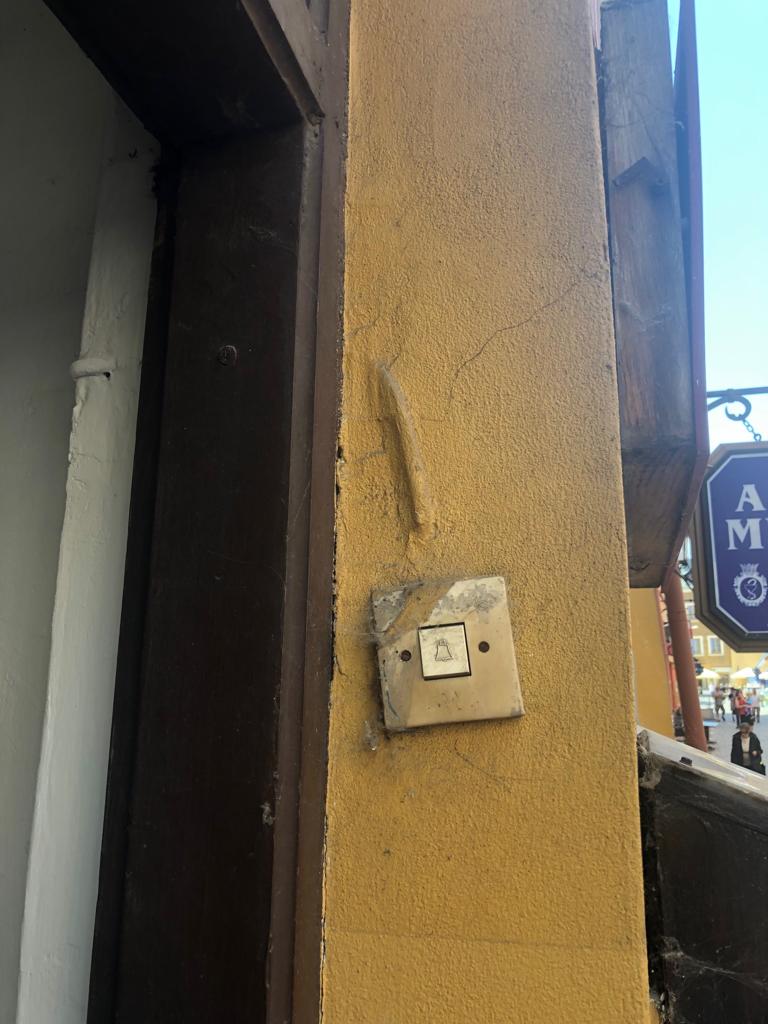
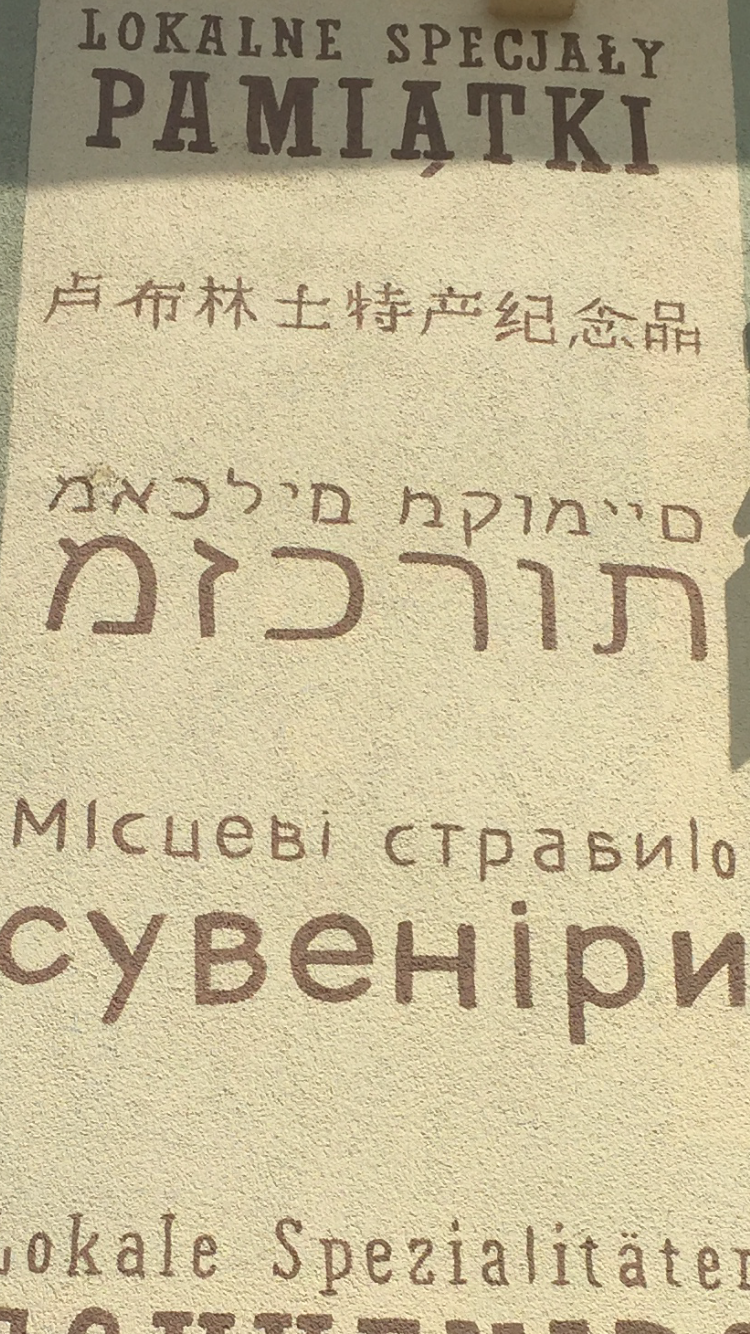
This morning we had a late start, and so some of us took the opportunity to take to Lublin’s streets and explore the hotel’s environs. One participant noted a mezuzah, its shape defined against the plaster of a local building, while others noted the presence of Jewish statuettes (holding money, obviously) in the window of a souvenir shop. Myself, I was more interested in that souvenir shop’s sign; couldn’t they have asked somebody how to write in Hebrew letters?
Photograph: Heather Levy
yawolloH nomiS :hpargotohP
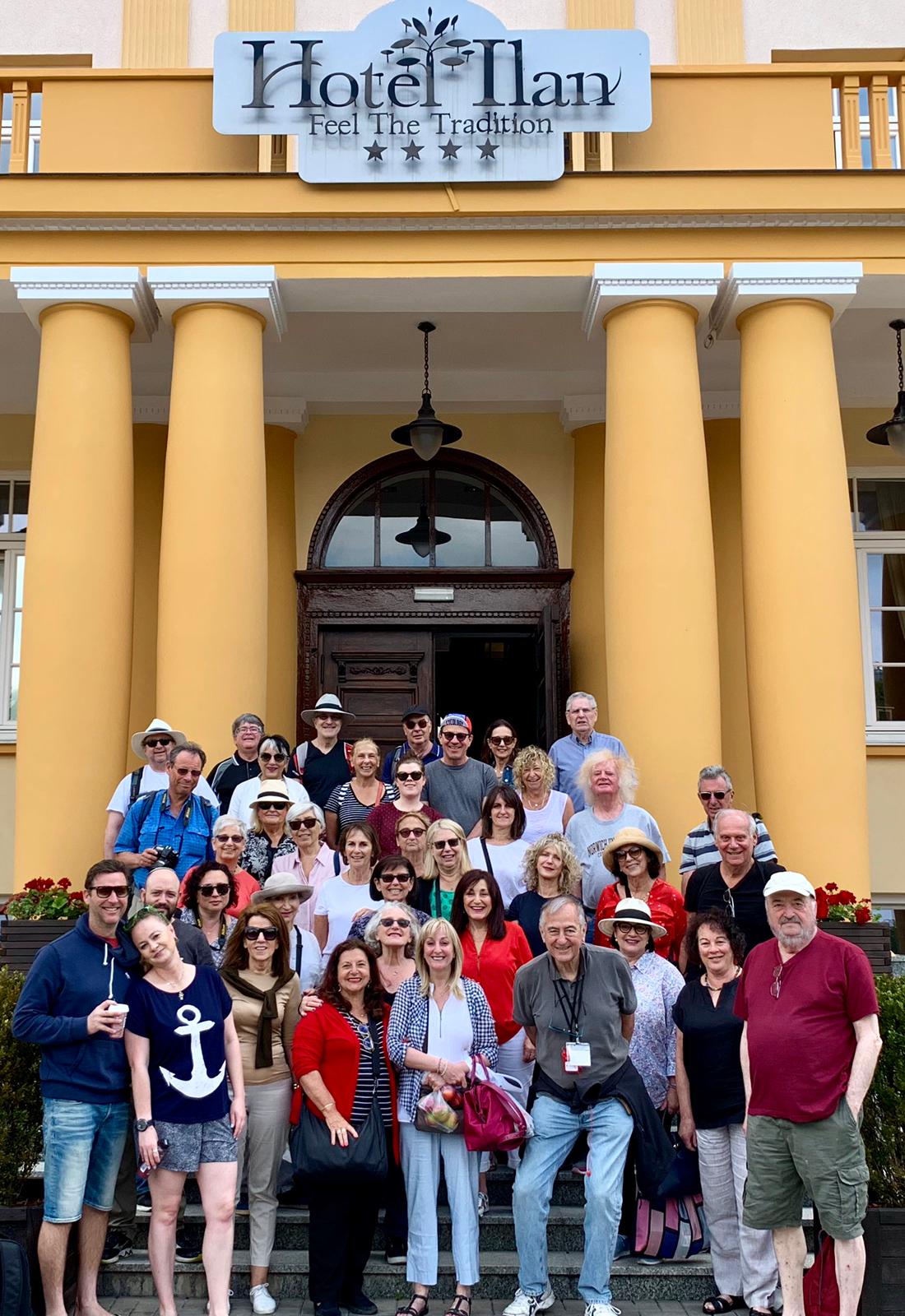
Coming back to the hotel, I was surprised to find it suddenly inundated with members of the Israeli military, all in uniform. Were it any other military in the world, I would feel most ill at ease, and I wonder if the Israeli military prompts a similar response in non-Jewish visitors to this city?
Photograph: Fil
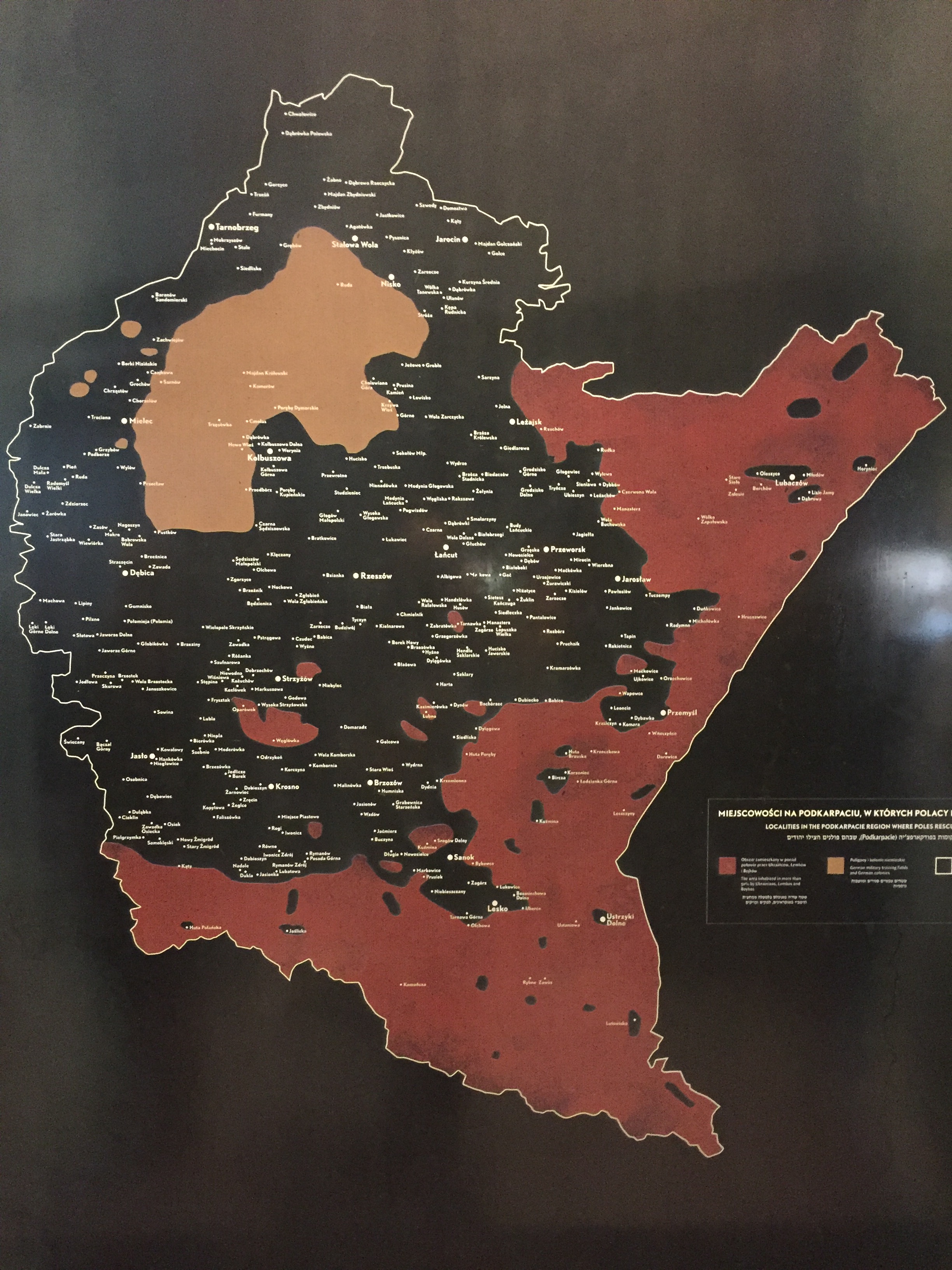
It’s going to be a long day, but most of it will be spent on the bus, and we are once again given an opportunity to muse upon the scenery and all that the place names evoke in our imagination. It’s not long after we have taken to the road, as a matter of fact, that already signs begin proclaiming familiar sites of trauma.
Nisko: a town in Polish Subcarpathia, in which the Nazis had for a time thought of dumping the Reich’s Jews. Their failure to do so led inexorably to the development of a more final solution to “the Jewish question”.
Rzeszów: the largest city in south-eastern Poland, whose 12,000 Jews (1/3 of the total pre-war population) were murdered in 1942.
Zamość: the town to which Szlama Winer fled, having escaped from Chelmno, and from which he was subsequently deported to Belzec.
Piotrków Trybunalski: the site of the first ghetto, established at the end of 1939.
Kielce: the site of a pogrom shortly after the war ended.
The road stretches ever on.
We are making our way through the administrative centre of the General Government that the SS termed the Lublin District, in which roughly 7,000 Jews survived out of a pre-war total of approximately 280,000. Since our tour commenced, post-Berlin, in the Warsaw District, our general direction has been eastwards. From this point, we are also making our slow way south, as we head in the direction of the Krakow District, whose metropolitan centre (the city of Krakow) is going to be our home for the next few nights.
Along the way, we stop a few times – in Fil’s words, “to get coffee, and to get rid of coffee”. At the first of those stops we encounter a group of religious Israelis, coming from a settlement just north of Jerusalem. Speaking Hebrew with some of them allows me to feel the best I’ve felt in days.
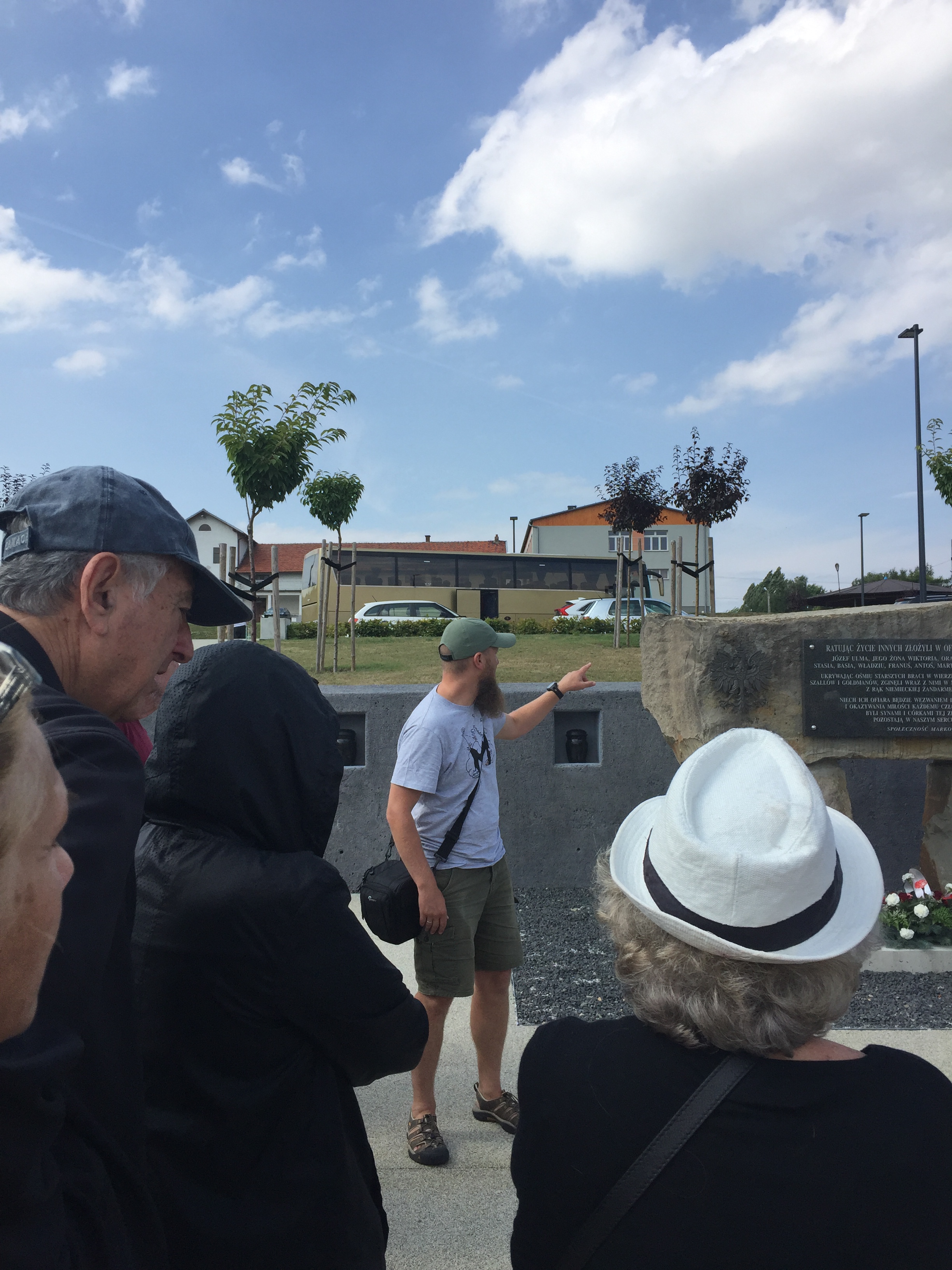
After several hours on the road, during which time we chat to one another, hear more incredible stories of people’s family backgrounds and their personal relationships to this history, and sing happy birthday to Nurit, we arrive at our first (and only) stop: the village of Markowa.
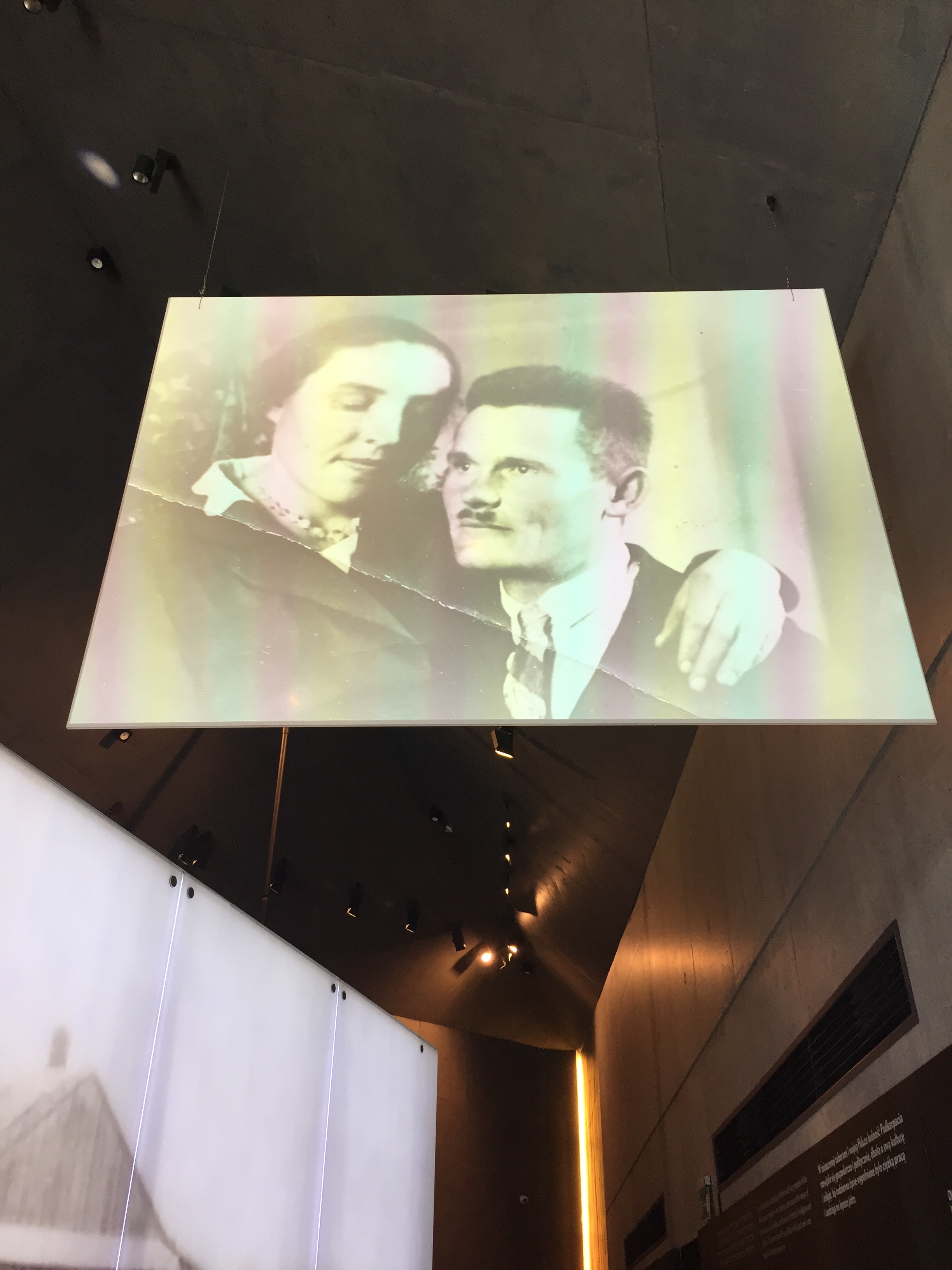
It was here, in 1944, that Józef and Wiktoria Ulma’s small house was surrounded. For some two years, they had succeeded in hiding two families of Jews: a total of eight people. For two years, they had ensured that these Jews were protected and were fed, despite the consequences that they knew for certain they and their six children would suffer if they were caught.
As to how they were caught, Fil muses that it might have had to do with money. The officer of the Polish Blue Police who had betrayed them (a man named Włodzimierz Leś, who was subsequently shot by the Polish Home Army) had apparently been entrusted with goods that had belonged to one of those Jewish families, and which he had no intention of returning. He alerted the German military police to their whereabouts, and in the early morning of March 24th, 1944, the village was swarming with activity. Wiktoria, who was heavily pregnant with her seventh child, may have even been showing signs of pre-labour at this time.
Local peasants were forced to watch as each of the eight Jews was dispatched with a shot to the head. Józef and Wiktoria’s children were also forced to watch the executions of their parents and, after a brief discussion as concerned what to do next, all eight of their children were murdered as well. The youngest, Marysia, was only two years old.
Such violence, while repulsive, needs to be told. It is to the honour of Markowa that they host so beautiful and so moving a museum to the heroism of the Ulmas, and to the heroism of so many tens of thousands of other people – mostly within occupied Poland, but to an enormous extent across the rest of the continent as well.
Photograph: Simon Holloway
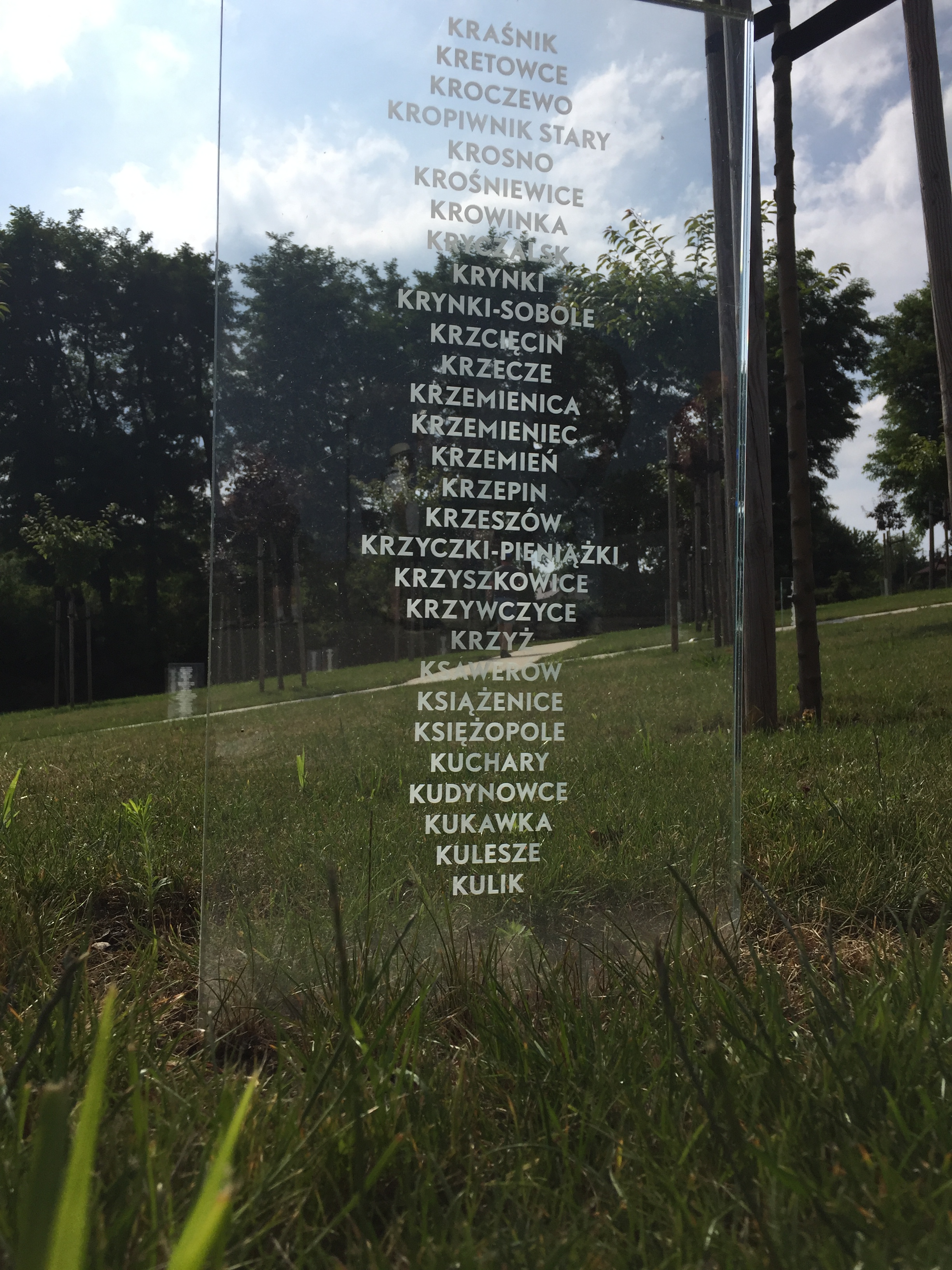
Photograph: Simon Holloway
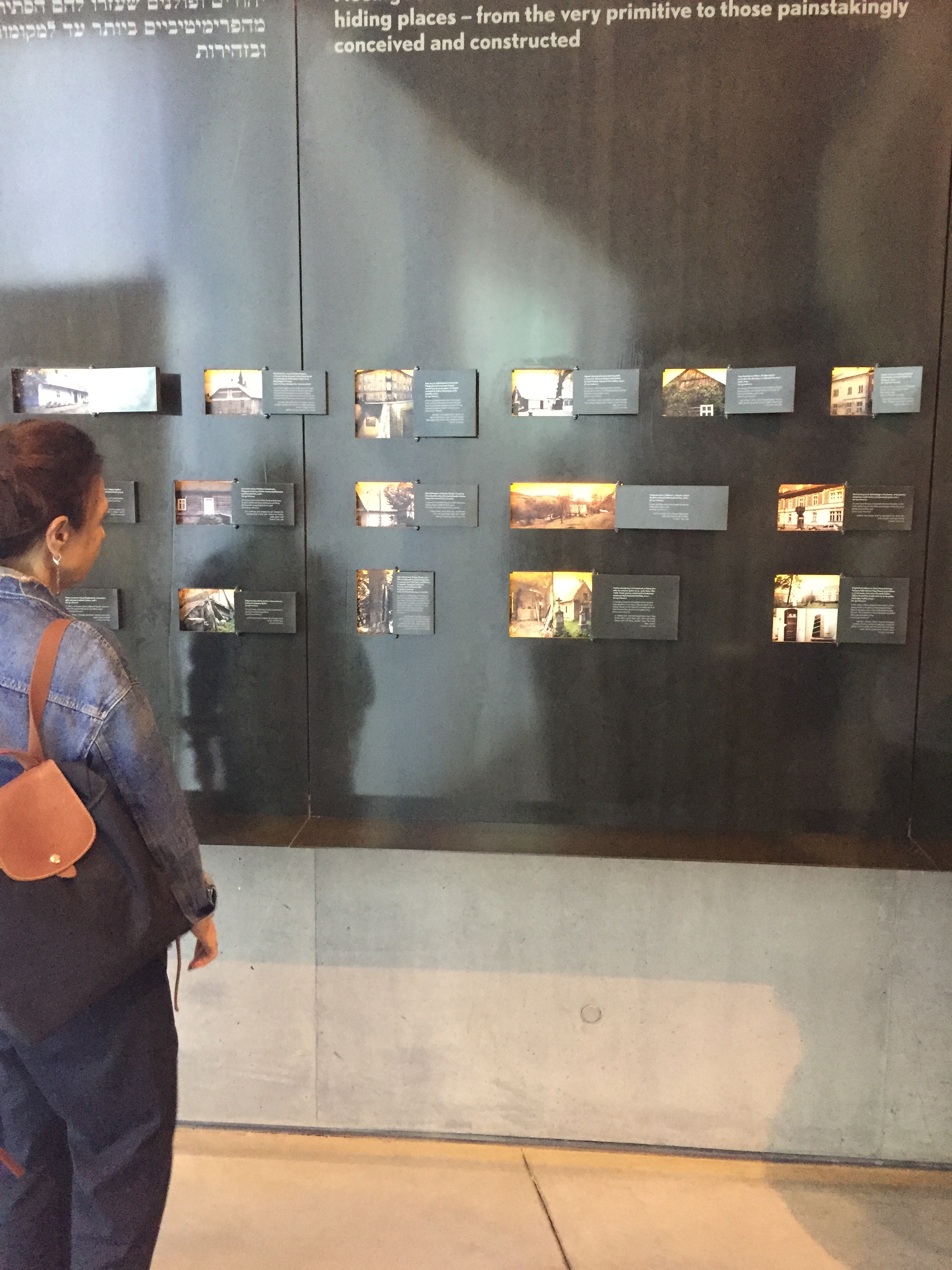
Photograph: Simon Holloway
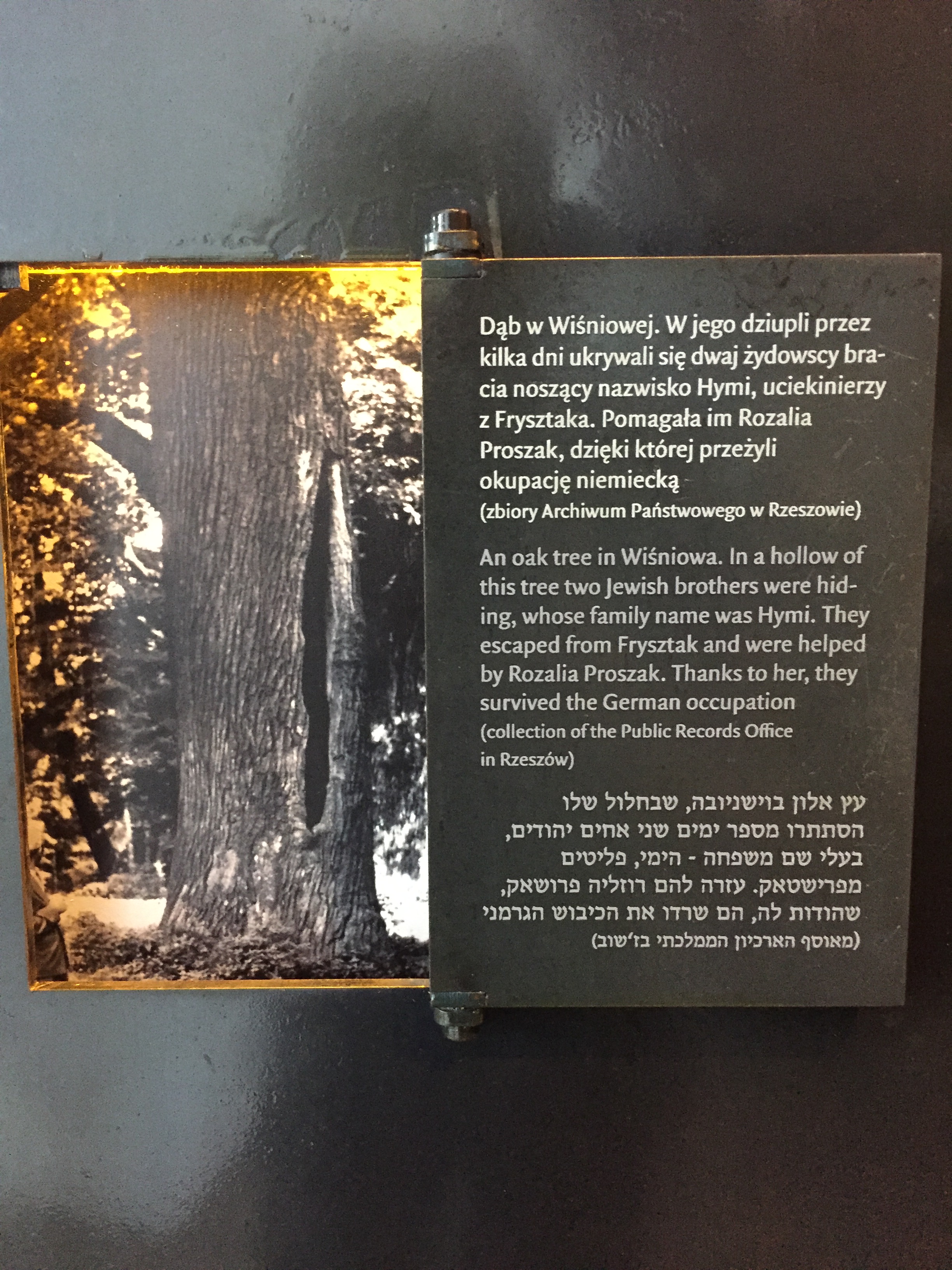
Photograph: Simon Holloway
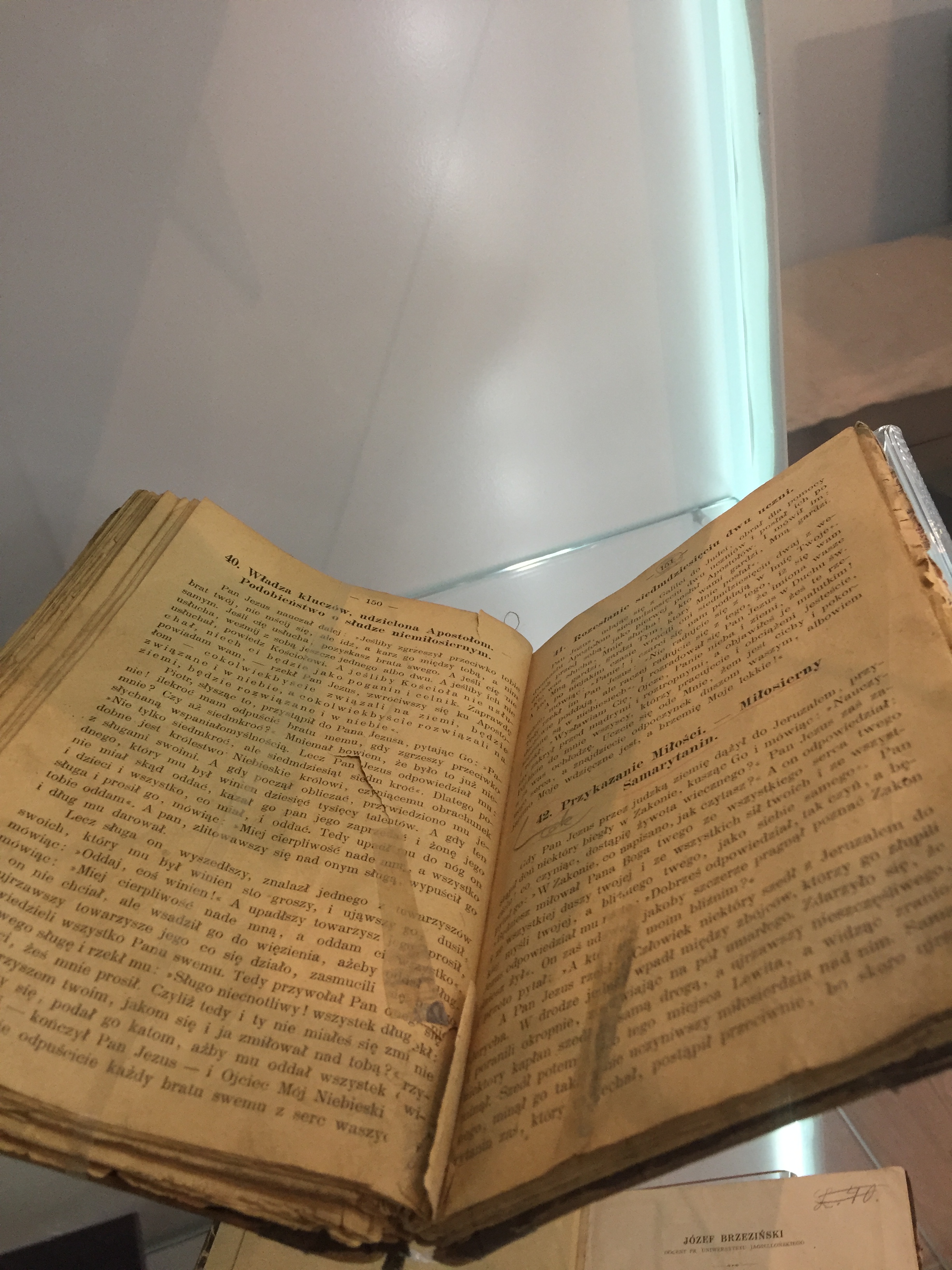
Photograph: Simon Holloway
Photograph: Simon Holloway
Photograph: Howard Wolfers
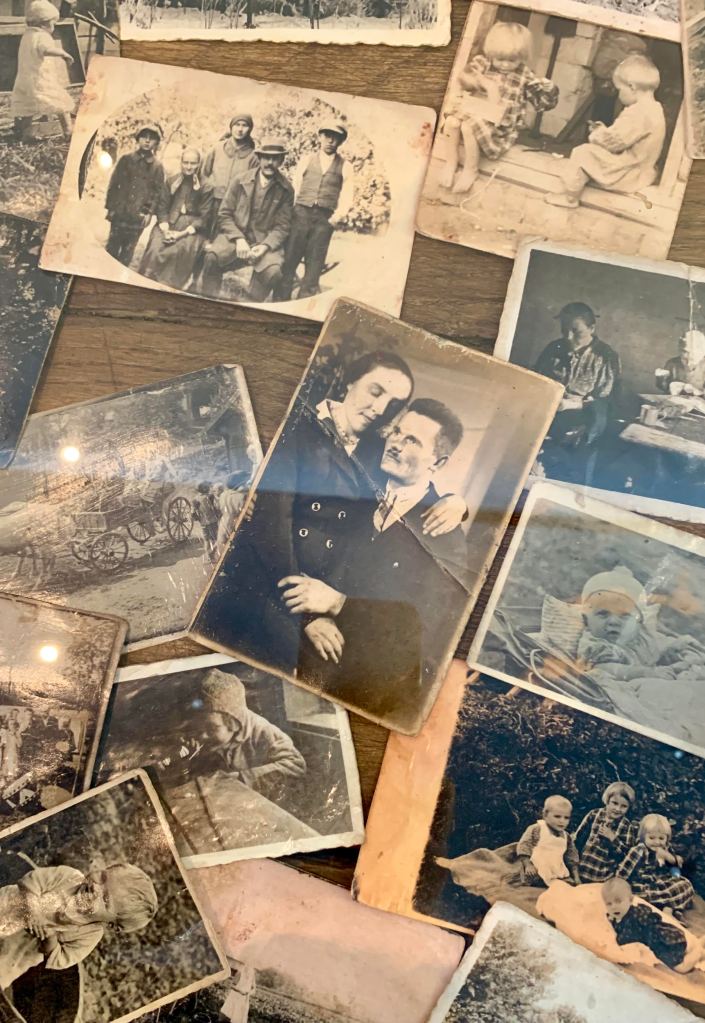
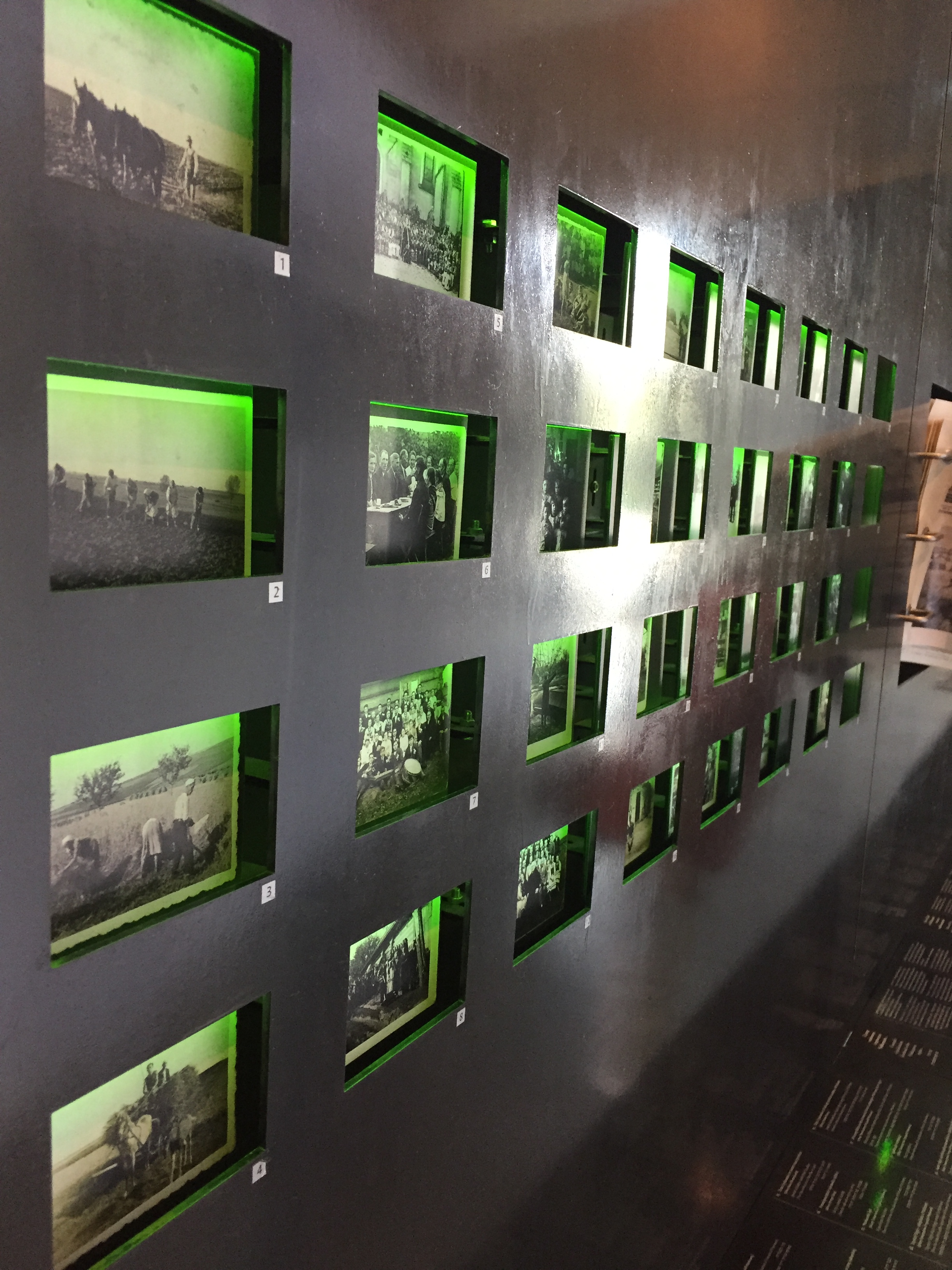
This is the most beautiful part of the exhibit: information about the murdered Jews, arranged tastefully in photos, with descriptions beneath. Jewish children from Kańczuga, visiting the village. A 19th century Jewish inn. Jewish children with their teacher. A shop owner, named Szymon Syjia. Somebody needs to contact the board of trustees at Tykocin Synagogue and tell them that this is how you memorialise a murdered community: not with cheap and trivial information about the religion that they presumably practiced, but with information about them.
Photograph: Simon Holloway
Photograph: Simon Holloway
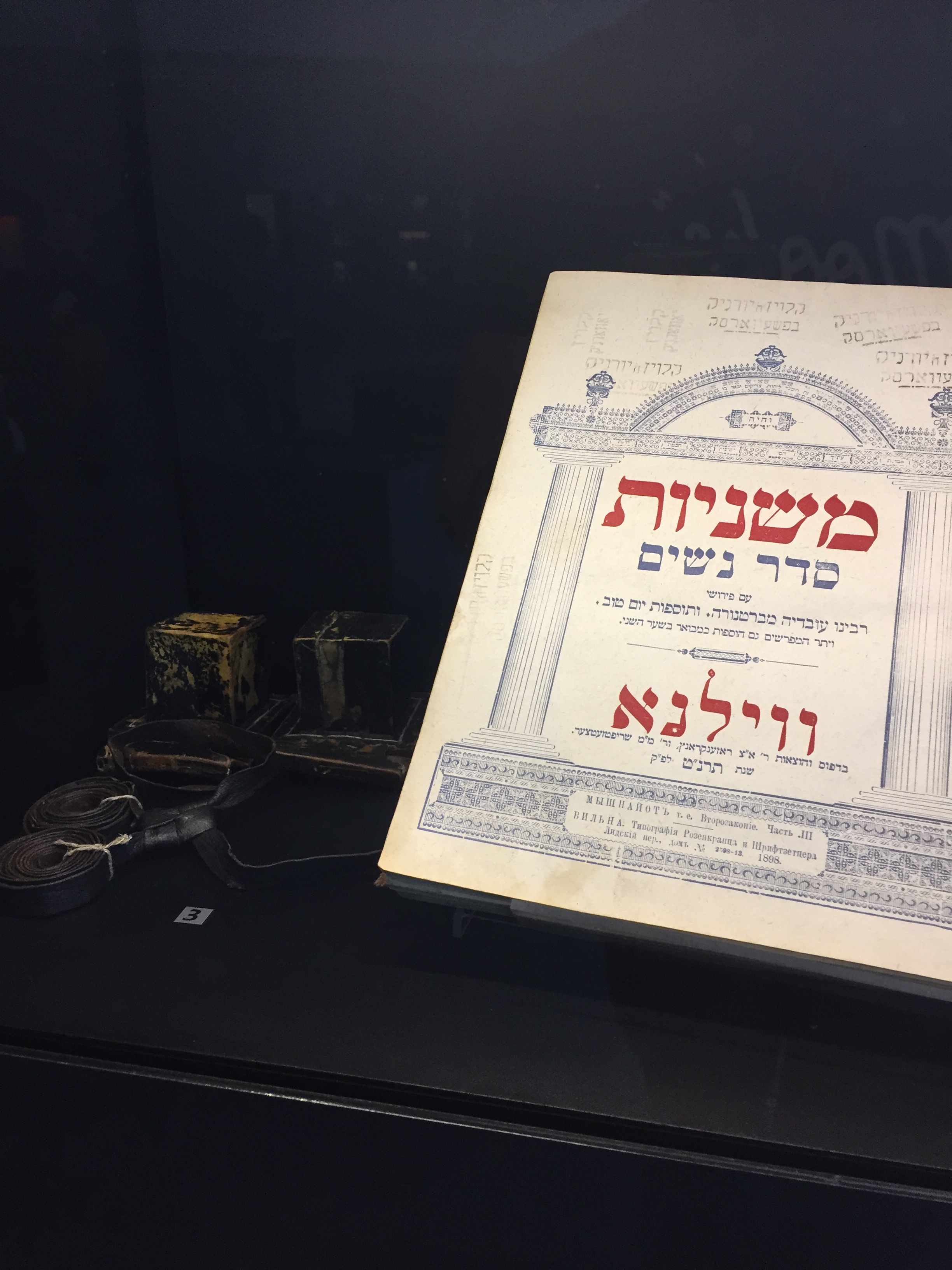
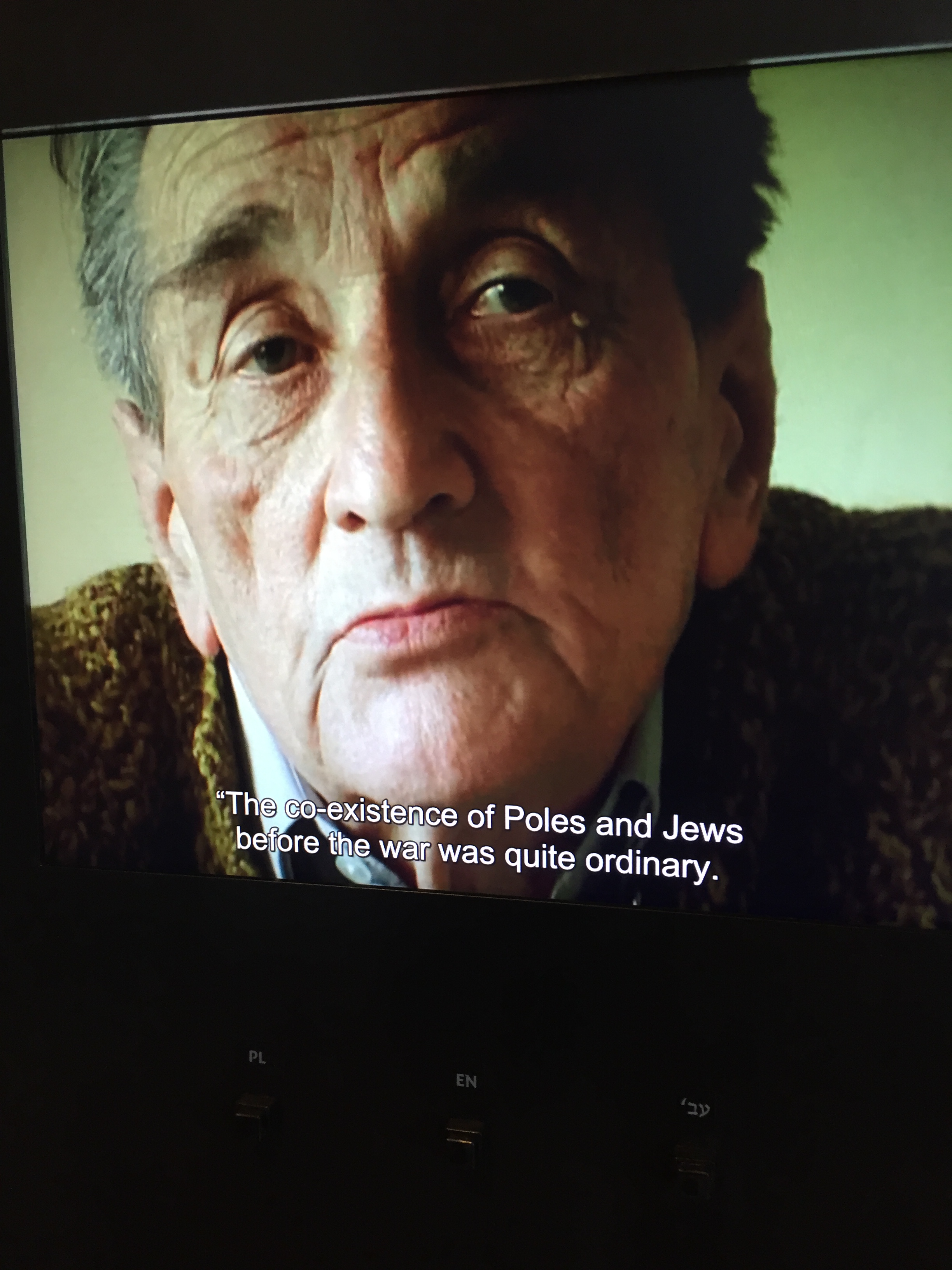
Sadly, other local townspeople had been hiding Jews at this time as well, and terrified of what would happen to them if they were caught, they sought to eradicate the problem. On the day after the Ulma family was brutally murdered, the bodies of some twenty other Jews were found within a nearby field. Such crimes are also mentioned within this museum space, but it was the opinion of Konrad that insufficient attention was given to them, and to the crimes of those Poles (like Włodzimierz Leś) who collaborated.
Perhaps the most glaring problem lay in the museum’s reference to the Polish Home Army and to the Polish government in exile. Had they simply not mentioned them, we could call this an error of omission, but the museum instead took the time to observe how they had helped in the saving of Jews. To the contrary, Konrad noted, the Home Army assisted in the murders of Jews, and the exiled government considered a solution to the Jewish question one of the utmost expediency.
They might have disliked the methods, in other words, while approving of the goal.
Photograph: Simon Holloway
Photograph: Simon Holloway
From here, and with some Leonard Cohen to keep us company, we continued until we finally reached Krakow. After crossing the Vistula and remarking on the beautiful old façades, we arrived at our new home: Krakow’s Holiday Inn. We have all decided to get an early night, for tomorrow will see us boarding our bus at 7:15 for a full day in Auschwitz.
 Berlin and Poland Tour 2019